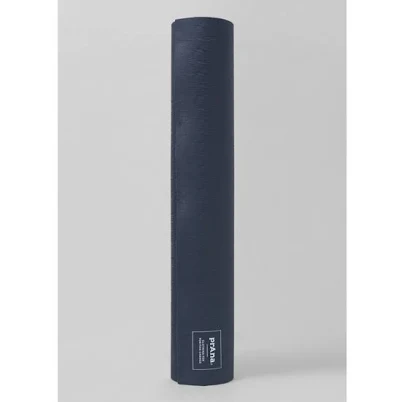
prAna Verde Yoga Mat
Likely lower concern; no PFAS-typical features in yoga mats.
Prana's Verde mat uses PER foam, a material not typically treated with PFAS. No brand PFAS disclosure found, but yoga mat category poses minimal PFAS risk versus cookware or apparel.
We flunk more products than we pass. This one earned its grade. How we grade
Material
PVC-free, PER (polyether rubber) foam base
Brand disclosure
Brand is silent on PFAS
Lab data
No public lab test
You may also be interested in
Top-graded picks in the categories readers replace first, every one scored on the same rubric.

Aqua Pure
3M Aqua-Pure AP802B Whole House Filter Housing
- polypropylene filter housing, carbon/sediment cartridge
- We found no PFAS statement from the brand
- Bacterial growth in spent cartridges
3 hazards checked on this product. See all of them.

Aquasure
Premier Series 75 GPD Under Sink Reverse Osmosis Water Filtration System
- RO membrane, carbon filters, stainless steel housing
- We found no PFAS statement from the brand
- Bacterial and microbial growth in housing and filters
4 hazards checked on this product. See all of them.

Avocado
Vegan Mattress
- organic cotton, natural latex, coconut coir, recycled steel coils
- The brand calls it PFAS-free, which we have not verified
- Heavy metals
2 hazards checked on this product. See all of them.
What prAna Verde Yoga Mat is made of, ingredients and materials
The Verde uses polyether rubber (PER) foam as its base, which is inherently PVC-free and therefore avoids phthalates and vinyl chloride exposure common in traditional PVC mats. PER is a closed-cell, synthetic rubber compound that resists moisture and degrades slowly, reducing microplastic shedding during normal use. The top surface is typically a natural rubber or TPE (thermoplastic elastomer) blend, which is more chemically stable than plasticized alternatives when exposed to body heat and sweat.
What’s concerning
Category baseline
The starting point for this type of product, before anything specific to this product is counted.
No PFAS disclosure
No public statement from the brand about PFAS in this product.
Volatile organic compounds (VOC) off-gassing
PER foam base typically emits lower VOC levels than PVC, but manufacturing residues and adhesives used in assembly may release mild off-gases in the first weeks. Proper airing mitigates this significantly.
Microplastic shedding during use
Closed-cell PER and TPE surfaces resist shedding better than open-cell foams, but surface abrasion from repeated contact and sweat exposure over time may gradually release fine particles; risk is lower than typical yoga mat alternatives.
What’s reassuring
Base material not linked to PFAS
The main material recorded for this product is not one associated with PFAS.
Phthalate leaching from plasticizers
PVC-free formulation eliminates the primary source of phthalate exposure in yoga mats; PER and TPE do not rely on phthalates for flexibility.
Flame retardants
No publicly disclosed flame retardant treatments are listed for the Verde mat; PER foam has moderate flame resistance without added chemical treatments. Prana has not released specific test data to confirm absence.
Source, EPA ↗Heavy metals
No recalls or reports document heavy metal contamination in Prana mats. Standard TPE and rubber colorants are generally low-risk, though independent lab testing by the brand has not been publicly disclosed.
Source, FDA ↗The full breakdown
The brand's record and disclosure
Prana markets the Verde as an eco-conscious product and explicitly advertises the PVC-free construction, suggesting material transparency is a brand priority. The company holds no major publicly documented recalls or safety warnings for this product line. However, Prana's formal stance on PFAS, flame retardants, and chemical testing specifics remains largely silent in public disclosures, meaning independent verification of some hazards is limited.
How it compares in its category
The Verde ranks above budget PVC mats (which commonly contain phthalates and off-gas volatile organics) and is comparable to other mid-range PER or natural rubber mats from competitors like Manduka and Liforme. Unlike some premium all-natural rubber mats, the PER base is more durable and resistant to cracking, reducing replacement frequency and waste. Its price point and durability suggest lower lifecycle chemical exposure than disposable or heavily plasticized alternatives.
If you buy it
Unroll and air the mat in a well-ventilated space for 24-48 hours before first use to offgas any residual manufacturing volatiles. Clean with mild soap and water, avoiding harsh solvents or high-heat washing, which can degrade the foam and TPE surface. Store in a cool, dry location away from direct sunlight and heat sources (e.g., car interiors, radiators), which accelerate material breakdown. Replace after 1-2 years of regular use if the surface becomes sticky, flaking, or visibly cracked, as this indicates the protective layer has compromised.
What we don’t know
- Basis
- Model estimate, 72% confidence, not a lab result
- Lab test
- None on record for this exact product
- Brand statement
- Prana has made none
Formulations change between production runs, so check the current label. How we grade.
Better-graded alternatives in Yoga & Exercise Mats
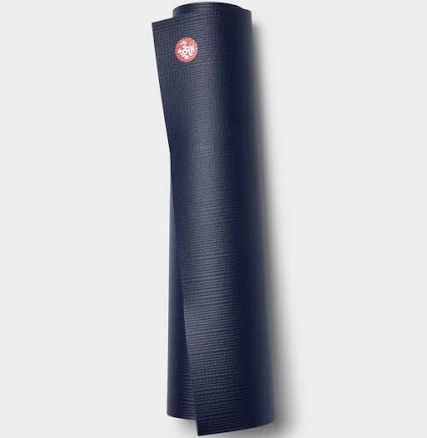
Manduka
Almost Perfect PRO Yoga Mat
- closed-cell PVC-free foam, rubber top
- A third party reports verifying it as PFAS-free
- Formaldehyde / VOCs
3 hazards checked on this product. See all of them.
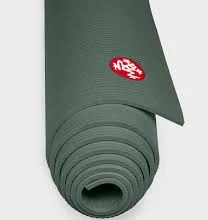
Manduka
Almost Perfect PROlite Yoga Mat
- Natural rubber and PVC, no Teflon-family coating
- A third party reports verifying it as PFAS-free
- Volatile organic compounds (VOCs) from natural rubber
More yoga & exercise mats grades
How we score, every product runs through the same public 0-100 rubric based on materials, coatings, brand disclosure, lab findings, and recalls. See the full methodology → Spotted a mistake? Report an error.