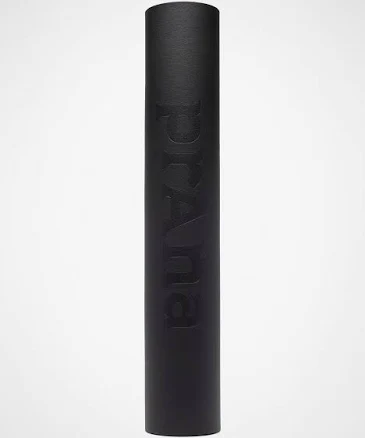
prAna Yoga Mat
Lower concern. Standard yoga mat material carries minimal PFAS risk.
Prana yoga mats use common PVC or TPE rubber, materials not typically treated with PFAS. Brand makes no PFAS claims; no public testing data available.
We flunk more products than we pass. This one earned its grade. How we grade
Material
PVC or TPE rubber base, likely no intentional PFAS
Brand disclosure
Brand is silent on PFAS
Lab data
No public lab test
You may also be interested in
Top-graded picks in the categories readers replace first, every one scored on the same rubric.

Aqua Pure
3M Aqua-Pure AP802B Whole House Filter Housing
- polypropylene filter housing, carbon/sediment cartridge
- We found no PFAS statement from the brand
- Bacterial growth in spent cartridges
3 hazards checked on this product. See all of them.

Aquasure
Premier Series 75 GPD Under Sink Reverse Osmosis Water Filtration System
- RO membrane, carbon filters, stainless steel housing
- We found no PFAS statement from the brand
- Bacterial and microbial growth in housing and filters
4 hazards checked on this product. See all of them.

Avocado
Vegan Mattress
- organic cotton, natural latex, coconut coir, recycled steel coils
- The brand calls it PFAS-free, which we have not verified
- Heavy metals
2 hazards checked on this product. See all of them.
What prAna Yoga Mat is made of, ingredients and materials
Prana yoga mats are typically constructed from PVC or TPE (thermoplastic elastomer) with a fabric or rubber base layer. PVC is a legacy material that can off-gas volatile organic compounds, particularly when new or exposed to heat, though modern formulations have reduced this. TPE alternatives used in higher-end prana mats are generally lower-VOC but still require initial airing. The closed-cell structure of these mats prevents water and bacterial penetration, reducing microbiome concerns compared to open-cell foam.
What’s concerning
Category baseline
The starting point for this type of product, before anything specific to this product is counted.
No PFAS disclosure
No public statement from the brand about PFAS in this product.
VOC off-gassing (PVC/TPE)
PVC mats commonly release volatile organic compounds during manufacturing and early use, especially when exposed to warmth or sunlight. New prana mats may exhibit a chemical odor; intensity varies by batch and storage conditions. This typically resolves within days to weeks with proper airing.
Phthalate plasticizers (if PVC base)
Conventional PVC formulations use phthalates to improve flexibility; prana has not publicly confirmed whether their mats use phthalate-free alternatives. Direct skin contact during yoga is brief, but prolonged contact with warm skin may increase dermal absorption risk. Heating (e.g., near radiators) accelerates leaching.
Material degradation and microparticle shedding
PVC and TPE mats gradually degrade under UV, mechanical stress, and repeated rolling, releasing microparticles. Prana mats typically last 1-2 years with regular practice before visible cracking occurs. Replacement intervals and proper storage minimize exposure to degraded material.
Bacterial or mold colonization if poorly maintained
Although the closed-cell structure resists water penetration, rolled mats stored damp can harbor mold and bacteria in crevices or between layers. This is a maintenance issue rather than a material hazard but poses respiratory risk if inhaled during practice.
What’s reassuring
Base material not linked to PFAS
The main material recorded for this product is not one associated with PFAS.
Flame retardants
No public documentation of intentional flame retardant treatment in prana yoga mats. PVC itself is inherently fire-resistant; added halogenated flame retardants are unlikely but not ruled out by available disclosure.
Source, EPA ↗The full breakdown
The brand's record and disclosure
Prana (owned by Columbia Sportswear) does not publicly disclose detailed material certifications or third-party testing for yoga mats on their website. No major safety recalls or regulatory actions against prana yoga mats are documented in FDA or CPSC databases. The brand markets sustainability messaging but does not explicitly address flame retardants, phthalates, or off-gassing mitigation strategies. Transparency on chemical composition remains a gap relative to premium eco-focused competitors.
How it compares in its category
Yoga mats occupy a lower-concern tier within furniture because they are thin, non-upholstered, and used in well-ventilated spaces. Prana mats are mid-market positioned between budget PVC mats (higher VOC risk) and certified organic rubber/cork alternatives (lower chemical load). Unlike cushioned furniture or carpeting, yoga mats do not trap flame retardants or off-gassing compounds in large foam cores. The risk profile is comparable to other mainstream PVC/TPE mats from brands like Manduka or Liforme.
If you buy it
Air the mat outdoors for 24-48 hours before first use to allow initial VOC off-gassing to dissipate. Store in a cool, dry place away from direct sunlight and heat sources, as PVC and TPE degrade and off-gas more readily when warm. Clean with mild soap and water; avoid harsh solvents that can degrade the material surface. Replace after 1-2 years of regular use if visible wear, cracking, or persistent odors develop, as degraded material may increase leachate risk.
What we don’t know
- Basis
- Model estimate, 72% confidence, not a lab result
- Lab test
- None on record for this exact product
- Brand statement
- Prana has made none
Formulations change between production runs, so check the current label. How we grade.
Better-graded alternatives in Yoga & Exercise Mats
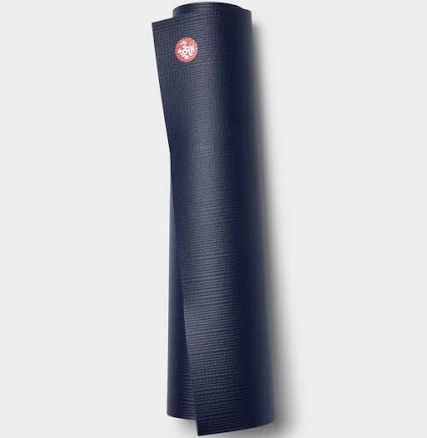
Manduka
Almost Perfect PRO Yoga Mat
- closed-cell PVC-free foam, rubber top
- A third party reports verifying it as PFAS-free
- Formaldehyde / VOCs
3 hazards checked on this product. See all of them.
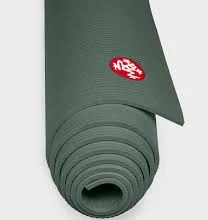
Manduka
Almost Perfect PROlite Yoga Mat
- Natural rubber and PVC, no Teflon-family coating
- A third party reports verifying it as PFAS-free
- Volatile organic compounds (VOCs) from natural rubber
More yoga & exercise mats grades
How we score, every product runs through the same public 0-100 rubric based on materials, coatings, brand disclosure, lab findings, and recalls. See the full methodology → Spotted a mistake? Report an error.