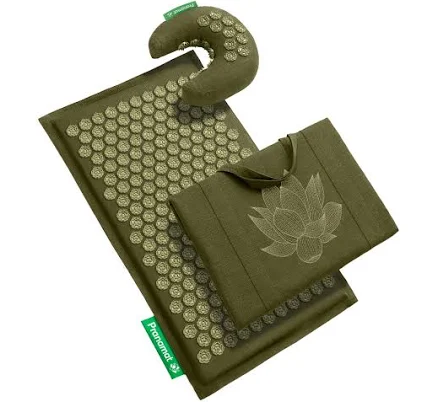
Pranamat + PranaPillow + Mini + BigBag (Olive)
Lower concern; no known PFAS risk for acupressure mats.
Prana acupressure mats use textile and synthetic materials without typical PFAS-triggering finishes like waterproofing or stain resistance. No public PFAS claims or test data available.
We flunk more products than we pass. This one earned its grade. How we grade
Material
acupressure mat with fabric cover, likely cotton or synthetic blend
Brand disclosure
Brand is silent on PFAS
Lab data
No public lab test
You may also be interested in
Top-graded picks in the categories readers replace first, every one scored on the same rubric.

Aqua Pure
3M Aqua-Pure AP802B Whole House Filter Housing
- polypropylene filter housing, carbon/sediment cartridge
- We found no PFAS statement from the brand
- Bacterial growth in spent cartridges
3 hazards checked on this product. See all of them.

Aquasure
Premier Series 75 GPD Under Sink Reverse Osmosis Water Filtration System
- RO membrane, carbon filters, stainless steel housing
- We found no PFAS statement from the brand
- Bacterial and microbial growth in housing and filters
4 hazards checked on this product. See all of them.

Avocado
Vegan Mattress
- organic cotton, natural latex, coconut coir, recycled steel coils
- The brand calls it PFAS-free, which we have not verified
- Heavy metals
2 hazards checked on this product. See all of them.
What Pranamat + PranaPillow + Mini + BigBag is made of, ingredients and materials
The Pranamat is a fabric-covered acupressure mat filled with plastic spikes (typically polypropylene or similar thermoplastic) bonded to a cotton or synthetic blend base. The spike material itself does not require heat and is not designed to contact food or skin directly for extended periods, so leaching risk from the spikes is minimal. The fabric cover is the primary surface of concern for off-gassing and chemical treatments applied during textile finishing.
What’s concerning
Category baseline
The starting point for this type of product, before anything specific to this product is counted.
No PFAS disclosure
No public statement from the brand about PFAS in this product.
Formaldehyde / VOCs
No test data available for this specific product. Cotton and synthetic blend fabrics commonly undergo resin finishing and dye-setting; absence of OEKO-TEX or similar certification means formaldehyde residue is not ruled out. Off-gassing typically decreases significantly after initial airing.
Source, ATSDR ↗Skin irritation from plastic spikes or unfinished seams
The product is designed for skin contact through the mat's point surface. If fabric cover is defective or if seams are not properly finished, direct contact with plastic material or thread could cause localized irritation. This is a design issue rather than a chemical toxicant but warrants inspection before use.
Microplastic shedding from synthetic fabric or spike material
Repeated washing or mechanical wear of a synthetic blend cover may release microplastics. No degradation timeline is published by the brand. If cover degrades, plastic spikes themselves are not designed to shed, but they are not tested for durability over years of use.
What’s reassuring
Base material not linked to PFAS
The main material recorded for this product is not one associated with PFAS.
Heavy metals
No recalls or testing data specific to Prana acupressure mats. Olive color is a standard natural earth tone less prone to synthetic azo dye load than bright synthetic colors, but dye safety is not independently verified for this brand.
Source, FDA ↗Flame retardants
Acupressure mats are not upholstered furniture subject to the same flame retardant regulations as mattresses or cushioned seating. The plastic spike material and thin fabric covering are unlikely to trigger mandatory FR treatment, but no explicit confirmation from the brand is available.
Source, EPA ↗The full breakdown
The brand's record and disclosure
Prana (also known as Pranamat or Prana Yoga brand) does not publish detailed material certifications, OEKO-TEX reports, or formaldehyde/dye testing results in publicly available marketing materials. No major recalls or safety warnings have been documented for this product line. The brand maintains a yoga and wellness positioning but does not emphasize third-party safety testing or transparency typical of certified textile manufacturers.
How it compares in its category
Acupressure mats occupy a niche within home wellness furniture. Compared to upholstered furniture (which carry higher flame retardant and VOC off-gassing burden), acupressure mats have minimal stuffing and typically use plastic spikes rather than chemical-treated foam. However, Prana's products lack the OEKO-TEX or similar certification that some competitors offer, making chemical profile less transparent than premium alternatives.
If you buy it
Air out the mat in a well-ventilated space for 24-48 hours upon unboxing to off-gas any residual volatile compounds from manufacturing or packaging. Wash the fabric cover separately per manufacturer instructions (typically gentle cold wash) before first use. Avoid prolonged storage in hot, sealed environments. Replace the mat if the spike bonds degrade visibly or if the cover tears, exposing internal materials to direct skin contact.
What we don’t know
- Basis
- Model estimate, 72% confidence, not a lab result
- Lab test
- None on record for this exact product
- Brand statement
- Prana has made none
Formulations change between production runs, so check the current label. How we grade.
Better-graded alternatives in Yoga & Exercise Mats
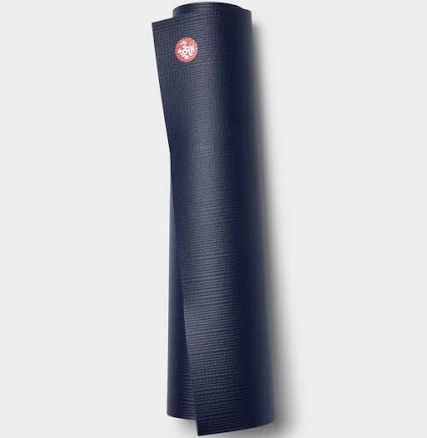
Manduka
Almost Perfect PRO Yoga Mat
- closed-cell PVC-free foam, rubber top
- A third party reports verifying it as PFAS-free
- Formaldehyde / VOCs
3 hazards checked on this product. See all of them.
Manduka
Almost Perfect PROlite Yoga Mat
- Natural rubber and PVC, no Teflon-family coating
- A third party reports verifying it as PFAS-free
- Volatile organic compounds (VOCs) from natural rubber
More yoga & exercise mats grades
How we score, every product runs through the same public 0-100 rubric based on materials, coatings, brand disclosure, lab findings, and recalls. See the full methodology → Spotted a mistake? Report an error.