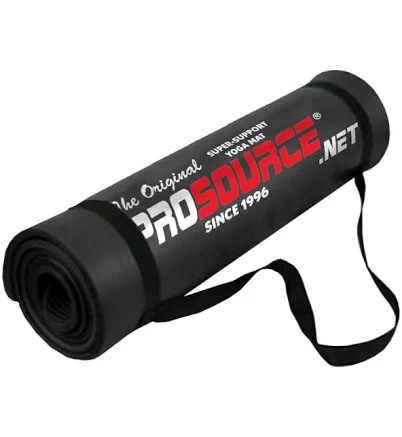
ProSource · Yoga & Exercise Mats
Prosource Super-Support Yoga Mat
Yoga mats typically pose lower PFAS concern; no disclosure found.
ProSource does not disclose PFAS information for this yoga mat. Standard NBR and PVC yoga mat materials carry lower PFAS risk than coated or water-resistant products, though no independent testing was found.
We flunk more products than we pass. This one earned its grade. How we grade
Material
NBR rubber / PVC foam core
Brand disclosure
Brand is silent on PFAS
Lab data
No public lab test
You may also be interested in
Top-graded picks in the categories readers replace first, every one scored on the same rubric.

Aqua Pure
3M Aqua-Pure AP802B Whole House Filter Housing
- polypropylene filter housing, carbon/sediment cartridge
- We found no PFAS statement from the brand
- Bacterial growth in spent cartridges
3 hazards checked on this product. See all of them.

Aquasure
Premier Series 75 GPD Under Sink Reverse Osmosis Water Filtration System
- RO membrane, carbon filters, stainless steel housing
- We found no PFAS statement from the brand
- Bacterial and microbial growth in housing and filters
4 hazards checked on this product. See all of them.

Avocado
Vegan Mattress
- organic cotton, natural latex, coconut coir, recycled steel coils
- The brand calls it PFAS-free, which we have not verified
- Heavy metals
2 hazards checked on this product. See all of them.
What Prosource Super-Support Yoga Mat is made of, ingredients and materials
This mat combines NBR (nitrile butadiene rubber) surface with PVC foam core. NBR is a synthetic rubber chosen for grip and durability; PVC foam provides cushioning and support. Neither material is inherently prone to off-gassing formaldehyde or volatile organic compounds at room temperature, though PVC can release small amounts of volatile compounds during manufacturing and early use. The dual-layer construction is typical for yoga mats marketed for joint support.
What’s concerning
Category baseline
The starting point for this type of product, before anything specific to this product is counted.
No PFAS disclosure
No public statement from the brand about PFAS in this product.
PVC off-gassing (volatile organic compounds)
PVC foam core may release small amounts of volatile compounds during first use and storage, particularly if exposed to heat. This is common to the material class and typically diminishes after initial off-gassing; no product-specific testing is on record.
Coating or adhesive leachables
The mat may use adhesives or binding agents to bond the NBR surface to the PVC foam core; composition is not disclosed. Leaching into skin or sweat is unlikely given the mat is not food-contact and is used under dry or dry-perspiration conditions, but long-term degradation in humid or heated environments could theoretically increase surface breakdown.
Degradation and microparticle shedding over time
Both NBR and PVC can shed microparticles with age, UV exposure, or heavy use, particularly at seams or edges. This is not a unique concern to this product but a normal wear pathway for foam yoga mats; replacement every 12-24 months of regular use is typical for the category.
What’s reassuring
Base material not linked to PFAS
The main material recorded for this product is not one associated with PFAS.
Flame retardants
No flame retardant additives are documented or typical for yoga mats in this category. Yoga mats are not regulated as furniture textiles under federal flame safety standards and do not require flame retardant treatment.
Source, EPA ↗Formaldehyde / VOCs
NBR and PVC foam do not inherently require formaldehyde-based binders or curing resins. No product documentation or recalls indicate formaldehyde release from this mat.
Source, ATSDR ↗The full breakdown
The brand's record and disclosure
ProSource does not publicly disclose material certifications, toxicological testing, or PFAS/flame retardant content for this product. No recalls or established safety controversies are on record for this specific mat or the brand's yoga line. The absence of third-party certifications (such as Oeko-Tex, Global Organic Textile Standard, or Cradle to Cradle) reflects typical industry practice for budget-tier mats; it does not indicate a hazard, only a lack of independent verification.
How it compares in its category
Yoga mats in this price and material range typically use PVC or NBR without flame retardant additives, as the products are not regulated as textiles or furniture under flame safety standards. This mat sits in the mainstream segment; certified or natural-rubber alternatives (cork, natural rubber blends) command higher prices and lower off-gassing potential, but pose different concerns (mold, degradation). PVC mats dominate the market and have no widespread safety red flags when used as intended.
If you buy it
Air it out in a well-ventilated space for 24-48 hours after unboxing to dissipate any residual manufacturing odors. Store in a cool, dry location away from direct heat or sunlight; PVC can soften or degrade if left in hot cars or near heaters. Do not use in saunas or unventilated hot rooms, as elevated heat may increase volatile compound release. Wipe with mild soap and water; avoid harsh solvents or bleach, which can degrade the NBR surface over time.
What we don’t know
- Basis
- Model estimate, 72% confidence, not a lab result
- Lab test
- None on record for this exact product
- Brand statement
- ProSource has made none
Formulations change between production runs, so check the current label. How we grade.
Better-graded alternatives in Yoga & Exercise Mats
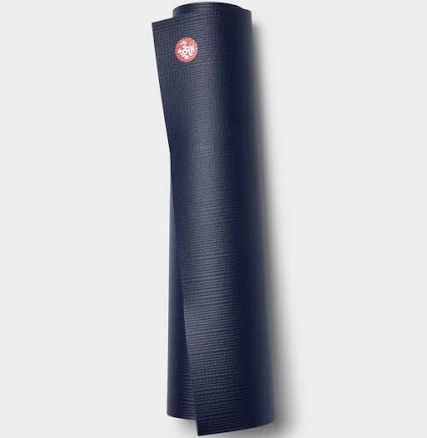
Manduka
Almost Perfect PRO Yoga Mat
- closed-cell PVC-free foam, rubber top
- A third party reports verifying it as PFAS-free
- Formaldehyde / VOCs
3 hazards checked on this product. See all of them.
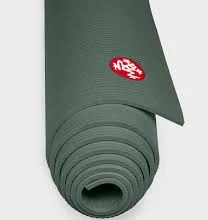
Manduka
Almost Perfect PROlite Yoga Mat
- Natural rubber and PVC, no Teflon-family coating
- A third party reports verifying it as PFAS-free
- Volatile organic compounds (VOCs) from natural rubber
More yoga & exercise mats grades
How we score, every product runs through the same public 0-100 rubric based on materials, coatings, brand disclosure, lab findings, and recalls. See the full methodology → Spotted a mistake? Report an error.