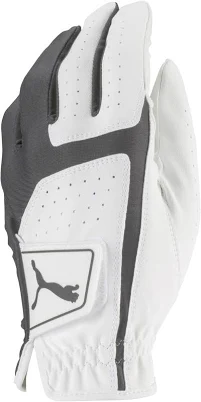
Puma Flex Lite Golf Glove
Likely contains water-repellent coating treatment. PFAS risk unconfirmed, brand silent.
Golf gloves typically use water-resistant coatings that may contain PFAS. Puma discloses no treatment information, and no independent testing or certification is available.
The better-graded swap
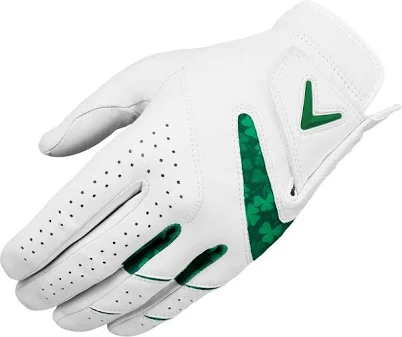
Callaway
Callaway Men's Apex Tour Shamrock Golf Glove
85/100 safety
Same rubric that flunked this product. The swap earned Excellent.
Still want this one anyway? Check the price on Amazon. We’d swap it.
Material
Synthetic leather/microfiber with water-resistant finish
Lab data
No public lab test
You may also be interested in
Top-graded picks in the categories readers replace first, every one scored on the same rubric.

- polypropylene filter housing, carbon/sediment cartridge
- We found no PFAS statement from the brand
- Bacterial growth in spent cartridges
3 hazards checked on this product, all on its full breakdown.

Aquasure
Premier Series 75 GPD Under Sink Reverse Osmosis Water Filtration System
- RO membrane, carbon filters, stainless steel housing
- We found no PFAS statement from the brand
- Bacterial and microbial growth in housing and filters
4 hazards checked on this product, all on its full breakdown.

Avocado
Vegan Mattress
- organic cotton, natural latex, coconut coir, recycled steel coils
- The brand calls it PFAS-free, which we have not verified
- Heavy metals
2 hazards checked on this product, all on its full breakdown.
What Puma Flex Lite Golf Glove is made of, ingredients and materials
The Puma Flex Lite uses synthetic microfiber leather with a water-resistant finish, avoiding genuine leather tanning chemicals but introducing polymer coatings and water-repellent coating (water-repellent coating) treatments. Microfiber itself is durable polyester, which carries minimal inherent toxicity; the risk profile depends entirely on the water-repellent layer and any adhesives or finishes used in bonding. This construction is chosen for durability and easy care, but the water-repellent coating chemistry is typically proprietary and undisclosed.
What’s concerning
Category baseline
The starting point for this type of product, before anything specific to this product is counted.
No PFAS disclosure
No public statement from the brand about PFAS in this product.
Waterproof / stain-resistant treatment
Water-repellent coating treatments have historically used PFAS.
water-repellent coating durability and microplastic shedding
Water-resistant finishes on microfiber degrade with washing and wear. As the coating flakes, small particles may shed; composition and toxicity depend on the specific water-repellent coating formulation, which Puma does not disclose. Puma's silence on PFAS or fluorine-free alternatives increases uncertainty.
Adhesive off-gassing and skin sensitization
Synthetic leather gloves rely on polyurethane or other synthetic adhesives to bond microfiber layers. New gloves may emit mild VOCs or adhesive odors; this typically resolves after first wash but can irritate sensitive skin on initial wear.
What’s reassuring
Formaldehyde / VOCs
Microfiber polyester does not typically require formaldehyde-based cross-linking resins. No safety incidents or test results on record for Puma Flex Lite or similar synthetic golf gloves.
Source, ATSDR ↗Azo dyes and colorant allergens
Golf gloves are often white or neutral, reducing need for heavy dyeing. No published allergen complaints or restricted dye violations documented for this product.
Antimony in polyester (synthetic fiber)
Antimony is used as a catalyst in some polyester manufacturing but is tightly bound in polymer chains. Puma's supply chain transparency is limited, but no antimony leaching incidents are recorded for apparel-grade polyester in this product class.
How is this PFAS grade calculated?
The brand's record and disclosure
Puma has not publicly disclosed PFAS or water-repellent coating chemistry for this glove or similar apparel. The brand has signed some sustainability commitments but remains silent on PFAS "forever chemicals" in water-resistant finishes, a common gap across sportswear brands. No major safety recalls or formaldehyde violations have been publicly documented for Puma golf gloves. Lack of transparency does not indicate a violation, but reflects an industry-wide pattern of minimal disclosure on water-repellent coating treatments.
How it compares in its category
Golf gloves are typically treated with water repellents; synthetic-leather options like this one are standard in mid-range performance gear and may present lower concern than leather gloves, which may use chromium or other heavy metals in tanning. Uncoated leather or untreated synthetic alternatives exist but sacrifice weather resistance. The Puma Flex Lite sits in the mainstream safety category for its class, with water-repellent coating risk shared across most branded golf gloves.
If you buy it
Wash before first use to reduce any residual coating particles or manufacturing dust. Avoid prolonged skin contact if you have sensitive skin; wear under a watch or remove between rounds if possible. Hand wash in cool water; do not machine wash or dry-clean, as heat can mobilize water-repellent coating chemicals. Replace every 2-3 seasons or when grip deteriorates; degraded microfiber may shed microfibers during wear.
What is not known about PFAS in this product?
- Basis
- Model estimate, 45% confidence, not a lab result
- Lab test
- None on record for this exact product
- Brand statement
- Puma has made a specific claim
Formulations change between production runs, so check the current label. How we grade.
What are the PFAS-free alternatives to Puma Flex Lite Golf Glove?
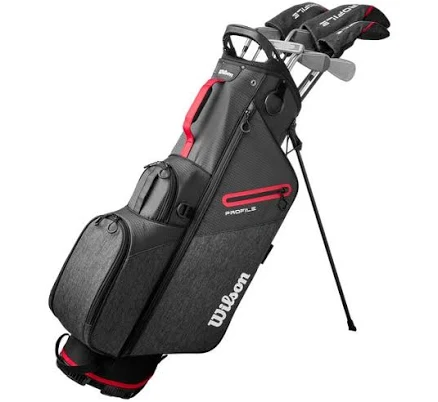
- Steel clubheads, graphite shafts, rubber grips
- We found no PFAS statement from the brand
- Graphite shaft resin degradation and fiber exposure
3 hazards checked on this product, all on its full breakdown.
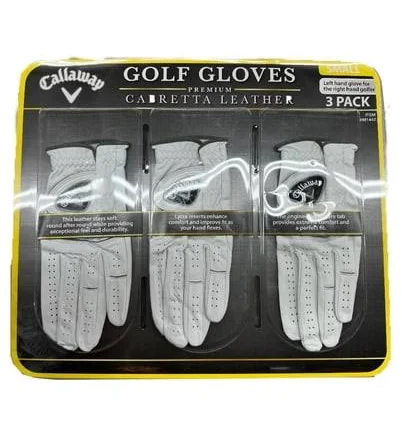
- Cabretta leather, likely tannin-tanned
- We found no PFAS statement from the brand
- Heavy metals
4 hazards checked on this product, all on its full breakdown.
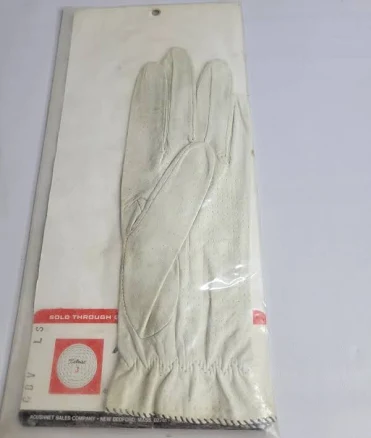
- leather or synthetic leather with cotton lining
- We found no PFAS statement from the brand
- Heavy metals
4 hazards checked on this product, all on its full breakdown.
Find an alternative on AmazonMore golf balls & equipment grades
How we score, every product runs through the same public 0-100 rubric based on materials, coatings, brand disclosure, lab findings, and recalls. See the full methodology → Spotted a mistake? Report an error.