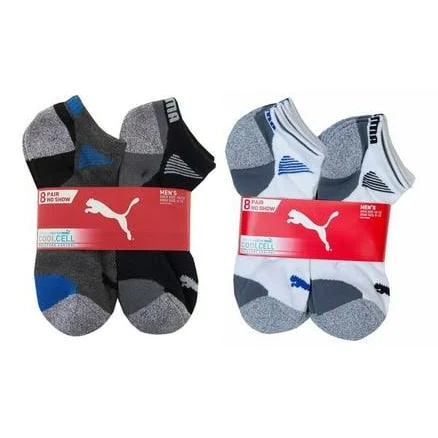
Puma · Sports Performance Undergarments
PUMA Men's Dry Cell Moisture Wicking Socks
Lower PFAS concern, but brand silent on water-repellent coating treatment used.
Basic moisture-wicking socks use standard synthetic materials. Puma provides no disclosure on any water-repellent finishes applied, leaving typical uncertainty.
Still want this one anyway? Check the price on Amazon. We’d swap it.
Material
polyester and elastane blend, moisture-wicking synthetic fibers
Lab data
No public lab test
You may also be interested in
Top-graded picks in the categories readers replace first, every one scored on the same rubric.

- polypropylene filter housing, carbon/sediment cartridge
- We found no PFAS statement from the brand
- Bacterial growth in spent cartridges
3 hazards checked on this product, all on its full breakdown.

Aquasure
Premier Series 75 GPD Under Sink Reverse Osmosis Water Filtration System
- RO membrane, carbon filters, stainless steel housing
- We found no PFAS statement from the brand
- Bacterial and microbial growth in housing and filters
4 hazards checked on this product, all on its full breakdown.

Avocado
Vegan Mattress
- organic cotton, natural latex, coconut coir, recycled steel coils
- The brand calls it PFAS-free, which we have not verified
- Heavy metals
2 hazards checked on this product, all on its full breakdown.
What PUMA Men's Dry Cell Moisture Wicking Socks is made of, ingredients and materials
PUMA Dry Cell socks are polyester and elastane (spandex), both synthetic polymers chosen for durability and stretch recovery in athletic wear. Polyester itself does not leach harmful chemicals during normal wear, though the elastane component is sometimes treated with dyes or finishes that warrant scrutiny. Moisture-wicking function typically requires either inherent fiber structure or applied hydrophobic surface treatment; Puma has not publicly disclosed whether their water-repellent coating (water-repellent coating) treatment contains PFAS-based chemistry, which is common in this category.
What’s concerning
Category baseline
The starting point for this type of product, before anything specific to this product is counted.
No PFAS disclosure
No public statement from the brand about PFAS in this product.
Azo dyes in polyester
Puma does not specify dye class used in Dry Cell socks. Some polyester athletic socks use azo dyes that can break down into aromatic amines under UV light or sweat exposure; however, EU and most US manufacturers have phased out banned azo dyes. Risk is low but unconfirmed for this product.
Elastane (spandex) degradation under heat or UV
Elastane fibers gradually lose elasticity with repeated hot washing or direct sunlight storage. This is material breakdown, not toxin release, but compromised socks may become uncomfortable. Avoid high heat dryers to extend product life.
PFAS
Puma has not published whether Dry Cell treatment uses PFAS-based water-repellent coating or alternative chemistry. Standard in-fiber hydrophobicity does not require PFAS, but many brands still use legacy fluorocarbon coatings. Request from brand or assume possible PFAS exposure if this is a concern for your household.
Source, ATSDR ↗What’s reassuring
Base material not linked to PFAS
The main material recorded for this product is not one associated with PFAS.
Antimony in polyester production
Antimony trioxide is a common polyester catalyst; it remains in fiber at trace levels (typically below regulatory limits in finished garments). No evidence that Puma's polyester socks exceed concern thresholds for PFAS-related hazards. Not a contact hazard during normal wear.
Formaldehyde / VOCs
Athletic performance socks rarely use formaldehyde-releasing durable press finishes; Puma's product design does not indicate such treatment. Risk is minimal for this category.
Source, ATSDR ↗How is this PFAS grade calculated?
The brand's record and disclosure
Puma has not published detailed material safety data sheets or water-repellent coating composition for this specific product line. The brand signed the Roadmap to Zero Hazardous Chemicals in 2011 but does not regularly communicate PFAS phase-out progress or alternative coating methods. No recalls, contamination reports, or third-party testing flagging this product have surfaced in public databases. Puma's silence on treatment chemistry is typical for athletic sock brands but limits transparency.
How it compares in its category
Athletic moisture-wicking socks typically use polyester, nylon, or merino wool blended with elastane; synthetic blends are the industry standard and carry no unique hazard profile compared to competitors like Nike Dri-FIT or Adidas Climacool socks. The real variable across brands is undisclosed water-repellent coating chemistry; Puma's product sits in the middle of transparency, neither leading in disclosure nor flagged for violations. Merino wool alternatives eliminate synthetic polymer concerns but cost more and require different care.
If you buy it
Wash in warm water (not hot) to preserve elastane elasticity and avoid accelerated fiber degradation; tumble dry on low heat or air dry. Replace socks when elastic waistband loses tension or fibers pill excessively, typically after 50-100 washes with normal care. Avoid prolonged exposure to chlorine pools, which can degrade synthetic fibers. No special precautions needed beyond standard sock maintenance; polyester and elastane do not off-gas or leach during wear or normal laundering.
What is not known about PFAS in this product?
- Basis
- Model estimate, 72% confidence, not a lab result
- Lab test
- None on record for this exact product
- Brand statement
- Puma has made a specific claim
Formulations change between production runs, so check the current label. How we grade.
More sports performance undergarments grades
How we score, every product runs through the same public 0-100 rubric based on materials, coatings, brand disclosure, lab findings, and recalls. See the full methodology → Spotted a mistake? Report an error.