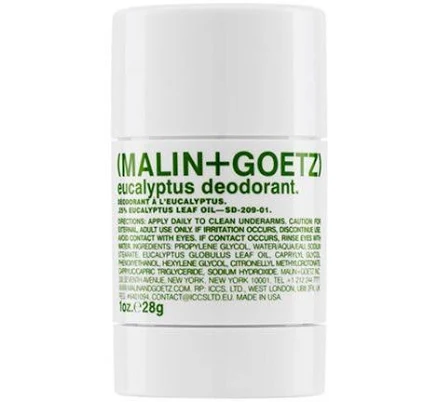
bergamot deodorant mini.
No coating of concern recorded, and no PFAS statement from the brand.
The brand has published no PFAS statement for this product that we could find.
We flunk more products than we pass. This one earned its grade. How we grade
Material
mineral powder base, aluminum-free formulation
Brand disclosure
Brand is silent on PFAS
Lab data
No public lab test
You may also be interested in
Top-graded picks in the categories readers replace first, every one scored on the same rubric.

- polypropylene filter housing, carbon/sediment cartridge
- We found no PFAS statement from the brand
- Bacterial growth in spent cartridges
3 hazards checked on this product, all on its full breakdown.

Aquasure
Premier Series 75 GPD Under Sink Reverse Osmosis Water Filtration System
- RO membrane, carbon filters, stainless steel housing
- We found no PFAS statement from the brand
- Bacterial and microbial growth in housing and filters
4 hazards checked on this product, all on its full breakdown.

Avocado
Vegan Mattress
- organic cotton, natural latex, coconut coir, recycled steel coils
- The brand calls it PFAS-free, which we have not verified
- Heavy metals
2 hazards checked on this product, all on its full breakdown.
What bergamot deodorant mini. is made of, ingredients and materials
Bergamot Deodorant Mini uses a mineral powder base formulation without aluminum compounds, which eliminates the primary active ingredient linked to health concerns in conventional antiperspirants. The bergamot fragrance component is a natural citrus oil extract, though fragrance allergens remain a minor consideration for sensitive skin. Mineral powders (typically talc, mica, or synthetic alternatives) work passively by absorbing moisture rather than blocking sweat ducts, making this a gentler deodorant approach.
What’s concerning
No PFAS disclosure
No public statement from the brand about PFAS in this product.
Category baseline
The starting point for this type of product, before anything specific to this product is counted.
Talc contamination (if talc-based mineral powder)
If this product uses talc as its mineral base, historical contamination with asbestos has been documented in some talc sources, though modern cosmetic-grade talc is regulated. The brand does not disclose whether talc or mica is the primary mineral; mica-based formulations eliminate this concern entirely.
Fragrance allergens (bergamot)
Bergamot oil contains limonene and citral, compounds that can trigger contact dermatitis or photosensitivity in sensitive individuals. Risk is low for most users but elevated for those with citrus allergies or fragrance sensitivity.
What’s reassuring
Base material not linked to PFAS
The main material recorded for this product is not one associated with PFAS.
Heavy metals
No recalls or contamination reports for deodorants involving lead, cadmium, or other heavy metals have been recorded. Cosmetic-grade minerals are subject to FDA oversight, though independent testing is not routine.
Source, FDA ↗Formaldehyde / VOCs
Mineral powder deodorants typically do not require strong preservatives due to low moisture content. No formaldehyde-releasing agents have been disclosed or reported in the brand's known formulations.
Source, ATSDR ↗Microplastics
While some mineral deodorants incorporate synthetic spheres for texture, the brand's product line is marketed as natural; no synthetic microplastic content is established in public sources, though full ingredient transparency is not provided by the brand.
Source, EPA ↗How is this PFAS grade calculated?
The brand's record and disclosure
The brand markets itself as a clean-ingredient brand but does not publish detailed ingredient sourcing or third-party safety certifications on this product line. No major safety recalls or documented contamination issues have been established for deodorants in public health databases. The brand's silence on PFAS is typical of smaller personal care makers; absence of a statement does not indicate presence, only lack of transparency.
How it compares in its category
Aluminum-free deodorants occupy a middle ground, they avoid antiperspirant ingredients but rely on powder absorption, which is less effective for heavy sweating than conventional aluminum zirconium products. This product sits alongside natural and mineral deodorant alternatives from brands like Schmidt's and Native, which share similar safety profiles. The mini size suggests travel or trial use, common for this segment.
If you buy it
Apply to clean, dry skin; reapply as needed based on activity level and climate. Store in a cool, dry place to prevent clumping or degradation of the powder base. Discontinue use if skin irritation or rash develops, particularly around the underarm sensitive zone. Replace when product is depleted; mineral deodorants do not typically degrade significantly with age if kept dry, but efficacy may decline over 1-2 years of storage.
What is not known about PFAS in this product?
- Basis
- Model estimate, 82% confidence, not a lab result
- Lab test
- None on record for this exact product
- Brand statement
- has made none
Formulations change between production runs, so check the current label. How we grade.
What are the PFAS-free alternatives to bergamot deodorant mini.?
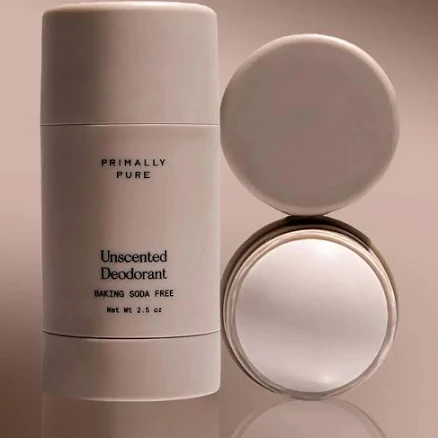
- mineral-based powder blend (arrowroot, magnesium hydroxide, mica)
- We found no PFAS statement from the brand
- Skin irritation from magnesium hydroxide alkalinity
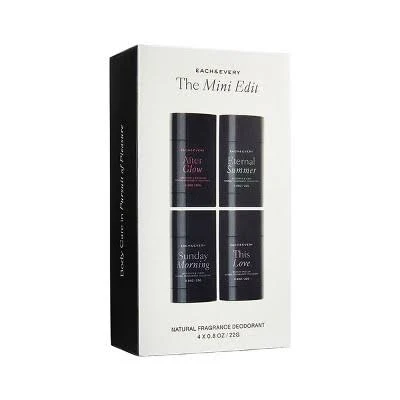
- cosmetic formulations, primary ingredients listed
- A third party reports verifying it as PFAS-free
- Fragrance allergens (natural essential oils)
2 hazards checked on this product, all on its full breakdown.
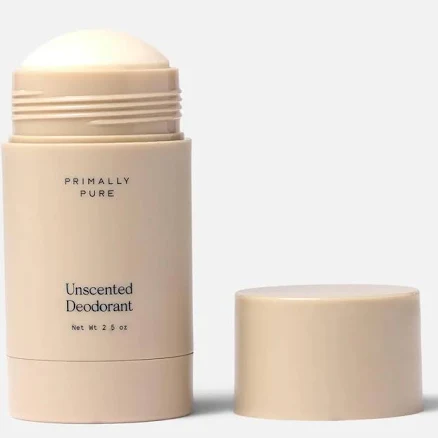
- natural mineral powders, plant-based actives, beeswax
- We found no PFAS statement from the brand
- Beeswax purity and contamination
2 hazards checked on this product, all on its full breakdown.
More deodorant grades
How we score, every product runs through the same public 0-100 rubric based on materials, coatings, brand disclosure, lab findings, and recalls. See the full methodology → Spotted a mistake? Report an error.