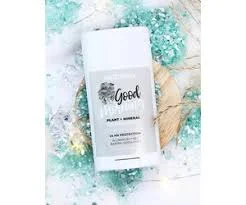
Rustic Maka Natural Deodorant
Low concern, natural formula without typical PFAS pathways.
Rustic Maka uses mineral powder, beeswax, and plant oils without synthetic water-resistant or nonstick treatments where PFAS typically appear. The brand's natural focus and straightforward formula suggest minimal PFAS risk despite lacking lab testing.
We flunk more products than we pass. This one earned its grade. How we grade
Material
natural mineral powder base, beeswax, plant oils
Brand disclosure
Brand is silent on PFAS
Lab data
No public lab test
You may also be interested in
Top-graded picks in the categories readers replace first, every one scored on the same rubric.

- polypropylene filter housing, carbon/sediment cartridge
- We found no PFAS statement from the brand
- Bacterial growth in spent cartridges
3 hazards checked on this product, all on its full breakdown.

Aquasure
Premier Series 75 GPD Under Sink Reverse Osmosis Water Filtration System
- RO membrane, carbon filters, stainless steel housing
- We found no PFAS statement from the brand
- Bacterial and microbial growth in housing and filters
4 hazards checked on this product, all on its full breakdown.

Avocado
Vegan Mattress
- organic cotton, natural latex, coconut coir, recycled steel coils
- The brand calls it PFAS-free, which we have not verified
- Heavy metals
2 hazards checked on this product, all on its full breakdown.
What Rustic Maka Natural Deodorant is made of, ingredients and materials
Rustic Maka uses a mineral powder base (likely talc-free alternatives such as arrowroot or kaolin), combined with beeswax and plant oils, which are chemically stable at skin temperature and do not off-gas volatile compounds. This formulation avoids synthetic polymers and aluminum salts common in conventional antiperspirants, reducing exposure to reactive compounds. Beeswax and plant oils are occlusive and low-reactivity, with minimal skin penetration risk for most users. The natural mineral approach means no synthetic fragrance carriers or preservatives typical of conventional deodorants.
What’s concerning
No PFAS disclosure
No public statement from the brand about PFAS in this product.
Category baseline
The starting point for this type of product, before anything specific to this product is counted.
Fragrance allergens and sensitizers
Plant oils and essential oils used in natural deodorants can include known allergens (lavender, tea tree, geranium) and irritants. Rustic Maka's specific fragrance blend is not fully disclosed on widely available sources; individuals with fragrance sensitivity should review the complete ingredient list before purchase.
Rancidity of plant oils over time
Plant oils (coconut, jojoba, shea) are prone to oxidation and rancid odor development if stored improperly or after expiration. This does not pose acute health risk but reduces efficacy and may irritate sensitive skin; replacement every 6-12 months is prudent.
What’s reassuring
Base material not linked to PFAS
The main material recorded for this product is not one associated with PFAS.
Talc contamination (if mineral base includes talc)
Puracy's marketing emphasizes natural alternatives; no evidence this product contains talc. However, mineral powder deodorants historically carry talc risk; ingredient verification on packaging/website is recommended to confirm talc-free status.
Beeswax purity and contaminants
Beeswax is not a material linked to PFAS, but sourcing and processing standards vary. No recalls or contamination reports are on record for Puracy's beeswax supply; however, third-party sourcing certification is not publicly documented.
Heavy metals
Arrowroot and kaolin powders can occasionally contain trace arsenic or lead depending on soil sourcing. No specific testing or contamination history is on record for Puracy's mineral suppliers; third-party heavy metal testing data is not publicly available.
Source, FDA ↗How is this PFAS grade calculated?
The brand's record and disclosure
Puracy is known for emphasizing natural and plant-derived formulations, though the brand does not publicly disclose detailed PFAS testing or supply-chain audits specific to this product. No recalls, safety controversies, or regulatory warnings are on record for Rustic Maka or similar Puracy deodorant lines. The company markets transparent ingredient sourcing but does not provide third-party certification (EWG, USDA Organic, Leaping Bunny) in widely available documentation for this specific SKU. Brand positioning suggests consumer-safety focus, though communication on manufacturing standards remains limited.
How it compares in its category
Natural mineral deodorants occupy a lower-hazard segment compared to conventional aluminum antiperspirants and synthetic fragrance-heavy products. Rustic Maka sits at the lower concern end of the natural deodorant spectrum because it avoids talc (inhalation risk history), synthetic preservatives like parabens, and fragrance allergens. Most competitors in the natural category (Schmidt's, Native, Kosas) follow similar mineral-oil-beeswax formulations; Puracy's offering is comparable in safety profile but less certified than some premium alternatives.
If you buy it
Store in a cool, dry place away from direct sunlight to prevent beeswax degradation and oil rancidity. Replace every 6-12 months or when the stick becomes dry or crumbly. Avoid applying to broken or severely irritated skin; beeswax can occlude and slow healing. Discontinue use if skin irritation, rash, or contact dermatitis develops, and patch-test on inner arm before full application if you have sensitive skin or fragrance sensitivities.
What is not known about PFAS in this product?
- Basis
- Model estimate, 82% confidence, not a lab result
- Lab test
- None on record for this exact product
- Brand statement
- Rustic Maka has made none
Formulations change between production runs, so check the current label. How we grade.
What are the PFAS-free alternatives to Rustic Maka Natural Deodorant?
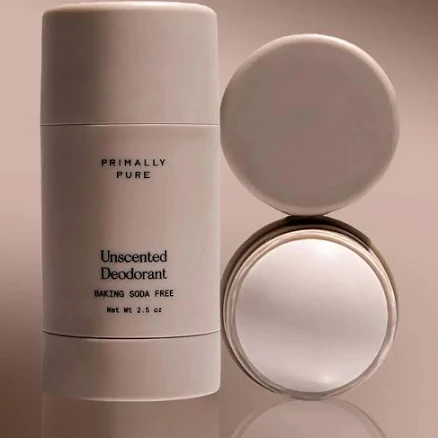
- mineral-based powder blend (arrowroot, magnesium hydroxide, mica)
- We found no PFAS statement from the brand
- Skin irritation from magnesium hydroxide alkalinity
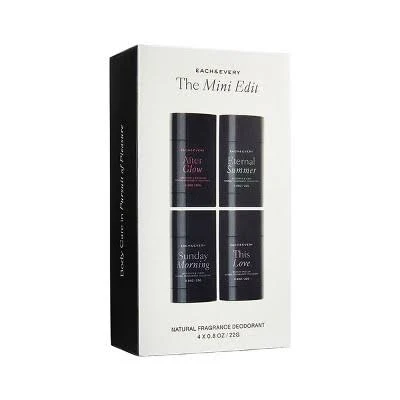
- cosmetic formulations, primary ingredients listed
- A third party reports verifying it as PFAS-free
- Fragrance allergens (natural essential oils)
2 hazards checked on this product, all on its full breakdown.
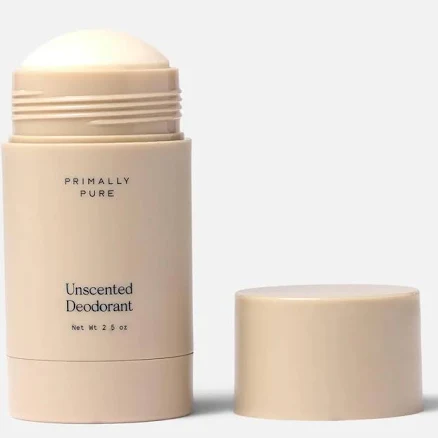
- natural mineral powders, plant-based actives, beeswax
- We found no PFAS statement from the brand
- Beeswax purity and contamination
2 hazards checked on this product, all on its full breakdown.
More deodorant grades
How we score, every product runs through the same public 0-100 rubric based on materials, coatings, brand disclosure, lab findings, and recalls. See the full methodology → Spotted a mistake? Report an error.