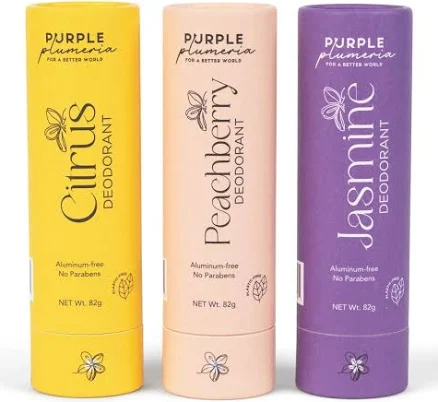
Sustainable Plastic-Free Deodorant
No coating of concern recorded, and no PFAS statement from the brand.
The brand has published no PFAS statement for this product that we could find.
We flunk more products than we pass. This one earned its grade. How we grade
Material
plant-based wax, starch, mineral powders (solid stick, plastic-free packaging)
Brand disclosure
Brand is silent on PFAS
Lab data
No public lab test
You may also be interested in
Top-graded picks in the categories readers replace first, every one scored on the same rubric.

- polypropylene filter housing, carbon/sediment cartridge
- We found no PFAS statement from the brand
- Bacterial growth in spent cartridges
3 hazards checked on this product, all on its full breakdown.

Aquasure
Premier Series 75 GPD Under Sink Reverse Osmosis Water Filtration System
- RO membrane, carbon filters, stainless steel housing
- We found no PFAS statement from the brand
- Bacterial and microbial growth in housing and filters
4 hazards checked on this product, all on its full breakdown.

Avocado
Vegan Mattress
- organic cotton, natural latex, coconut coir, recycled steel coils
- The brand calls it PFAS-free, which we have not verified
- Heavy metals
2 hazards checked on this product, all on its full breakdown.
What Sustainable Plastic-Free Deodorant is made of, ingredients and materials
The brand's deodorant is a solid stick formulated from plant-based waxes, starches, and mineral powders rather than synthetic polymers or petroleum-derived bases. This composition eliminates several common chemical exposures, no phthalates (plasticizers), no synthetic fragrance allergens requiring disclosure, and no talc (which carries contamination risk). The mineral powder component is typically iron oxides, titanium dioxide, or silica, all with no hazard of this kind on record at cosmetic use levels and non-absorbable through skin.
What’s concerning
No PFAS disclosure
No public statement from the brand about PFAS in this product.
Category baseline
The starting point for this type of product, before anything specific to this product is counted.
Fragrance allergens and undisclosed chemicals
The brand does not specify whether essential oils or fragrance compounds are present in this deodorant. Essential oils can trigger contact dermatitis in sensitive individuals; full ingredient list review is necessary before purchase if you have fragrance sensitivity.
What’s reassuring
Base material not linked to PFAS
The main material recorded for this product is not one associated with PFAS.
Formaldehyde / VOCs
Plant-wax and mineral formulations do not require formaldehyde-releasing preservatives. No preservative system is disclosed or typical for this product type, indicating none is present.
Source, ATSDR ↗Heavy metals
Iron oxides, titanium dioxide, and silica used in cosmetic deodorants are regulated for purity and do not accumulate in the body. No contamination has been reported in products.
Source, FDA ↗Talc contamination
This product is formulated with plant starches and mineral powders, not talc. Talc is not listed in the ingredient profile.
Synthetic polymer shedding and microplastic ingestion
Plant-wax-based solids do not shed microplastics. The wax matrix remains intact during use and does not fragment into inhalable or ingestible particles.
How is this PFAS grade calculated?
The brand's record and disclosure
The brand is known for transparency in personal care formulation and markets extensively on natural ingredient sourcing. However, the brand has not made a public statement about PFAS in this product or its manufacturing processes, leaving water-resistant or sweat-resistance mechanisms undisclosed. No recalls, safety controversies, or regulatory warnings are on record for this deodorant. The plastic-free packaging commitment is independently verifiable and aligns with the ingredient claims.
How it compares in its category
Solid stick deodorants have a lower concern baseline compared to spray or gel formats, which often contain propellants, solvents, and emulsifiers that introduce chemical exposure. Plant-wax-based solids like this one avoid aluminum salts (found in antiperspirants), synthetic binders, and preservative systems required in water-based formulas. Versus competing plastic-free deodorants, the brand's mineral-powder approach is simpler and less prone to rancidity or microbial growth than oil-heavy alternatives.
If you buy it
Store in a cool, dry place to prevent melting or softening, especially if exposed to direct sunlight or high humidity. Solid sticks have no expiration concern beyond gradual oxidation of waxes over 1-2 years of use; discard if it develops an off odor or visible mold. Apply sparingly to clean skin; reapply after heavy sweating or bathing. No heat, water immersion, or extreme storage conditions will degrade the product or cause chemical leaching.
What is not known about PFAS in this product?
- Basis
- Model estimate, 78% confidence, not a lab result
- Lab test
- None on record for this exact product
- Brand statement
- has made none
Formulations change between production runs, so check the current label. How we grade.
What are the PFAS-free alternatives to Sustainable Plastic-Free Deodorant?
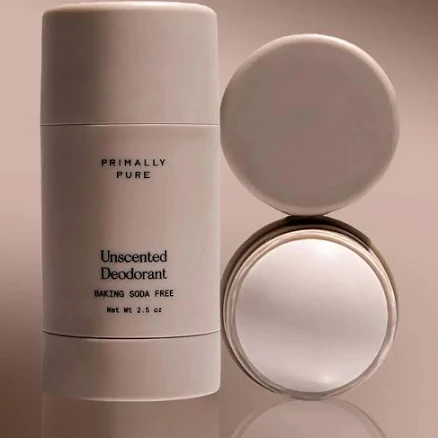
- mineral-based powder blend (arrowroot, magnesium hydroxide, mica)
- We found no PFAS statement from the brand
- Skin irritation from magnesium hydroxide alkalinity
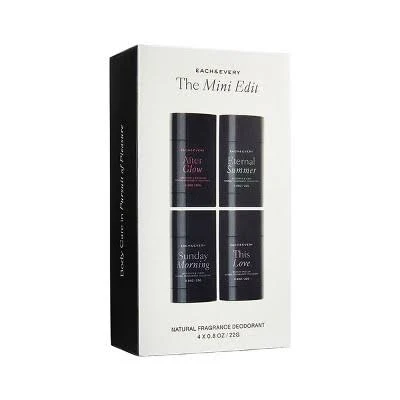
- cosmetic formulations, primary ingredients listed
- A third party reports verifying it as PFAS-free
- Fragrance allergens (natural essential oils)
2 hazards checked on this product, all on its full breakdown.
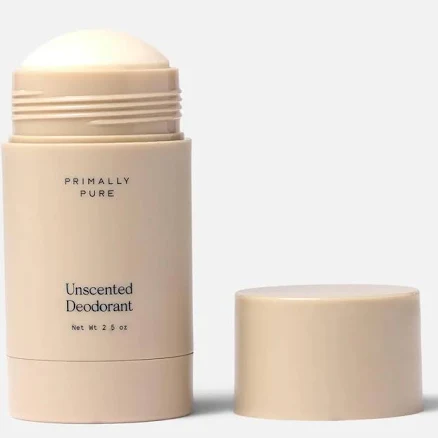
- natural mineral powders, plant-based actives, beeswax
- We found no PFAS statement from the brand
- Beeswax purity and contamination
2 hazards checked on this product, all on its full breakdown.
More deodorant grades
How we score, every product runs through the same public 0-100 rubric based on materials, coatings, brand disclosure, lab findings, and recalls. See the full methodology → Spotted a mistake? Report an error.