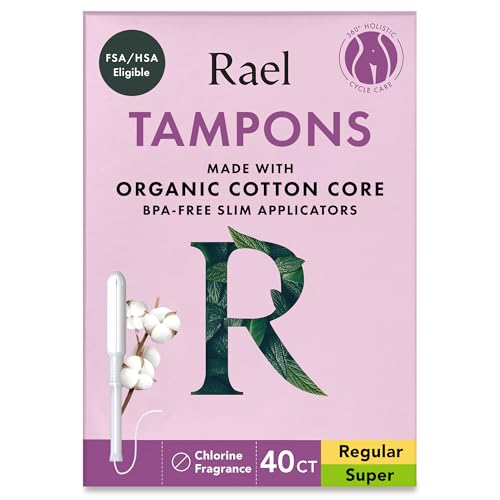
Rael Organic Cotton Tampons
Lower concern. Organic cotton tampons unlikely to contain PFAS, but no brand assurance.
Rael uses organic cotton with cardboard applicator, inherently lower-risk materials. Brand makes no PFAS claim or third-party verification available.
We flunk more products than we pass. This one earned its grade. How we grade
Material
organic cotton, cardboard applicator
Brand disclosure
Brand is silent on PFAS
Lab data
No public lab test
You may also be interested in
Top-graded picks in the categories readers replace first, every one scored on the same rubric.

- polypropylene filter housing, carbon/sediment cartridge
- We found no PFAS statement from the brand
- Bacterial growth in spent cartridges
3 hazards checked on this product, all on its full breakdown.

Aquasure
Premier Series 75 GPD Under Sink Reverse Osmosis Water Filtration System
- RO membrane, carbon filters, stainless steel housing
- We found no PFAS statement from the brand
- Bacterial and microbial growth in housing and filters
4 hazards checked on this product, all on its full breakdown.

Avocado
Vegan Mattress
- organic cotton, natural latex, coconut coir, recycled steel coils
- The brand calls it PFAS-free, which we have not verified
- Heavy metals
2 hazards checked on this product, all on its full breakdown.
What Rael Organic Cotton Tampons is made of, ingredients and materials
Rael organic cotton tampons use certified organic cotton fiber, which is grown without synthetic pesticides or fertilizers, reducing residue risk compared to conventional cotton. The cardboard applicator is a biodegradable alternative to plastic applicators, eliminating concerns about microplastics or BPA from plastic tubes. Organic cotton still undergoes industrial processing (spinning, bleaching, dyeing) but the absence of synthetic agricultural chemicals at cultivation reduces one upstream contamination pathway.
What’s concerning
Category baseline
The starting point for this type of product, before anything specific to this product is counted.
No PFAS disclosure
No public statement from the brand about PFAS in this product.
Bleaching agents (chlorine or oxygen-based) in cotton processing
Organic cotton still undergoes industrial bleaching and finishing. Rael does not disclose whether chlorine-free bleaching is used; residual bleach or byproducts in finished fiber are not on record as a reported problem but cannot be ruled out without testing.
Trace synthetic dyes or finishing chemicals
Cotton fibers may be dyed or treated with sizing agents or softeners during manufacturing. Rael does not publicly specify whether these are synthetic or natural; no brand-specific contamination reports exist, but dye safety relies on supplier compliance.
Cardboard applicator structural integrity
Cardboard is biodegradable but may degrade, soften, or splinter if exposed to moisture or mechanical stress. This is a usability rather than toxicological hazard but can cause minor discomfort or micro-tears if fragments separate during insertion.
What’s reassuring
Base material not linked to PFAS
The main material recorded for this product is not one associated with PFAS.
Bacterial contamination or TSS risk
Organic cotton does not inherently reduce toxic shock syndrome risk; TSS is linked to prolonged tampon use and bacterial overgrowth, not material type. No specific TSS cluster linked to Rael products is on record.
Pesticide residue
Certified organic cotton eliminates synthetic pesticide use at cultivation. No residue testing specific to Rael is published, but organic certification standards govern this upstream. Risk is lower than conventional cotton but depends on certification audit rigor.
Source, EPA ↗How is this PFAS grade calculated?
The brand's record and disclosure
Rael markets products with an emphasis on organic and natural positioning but does not publish detailed third-party testing reports or full material safety data sheets publicly available. The brand holds organic certification (GOTS or equivalent is standard for products marketed as such) but does not actively promote transparency about bleaching agents, dyes, or trace contaminants in cotton. No significant product recalls or safety controversies are on record for this product line.
How it compares in its category
Organic cotton tampons occupy a middle ground, they avoid synthetic pesticide residues in raw material but still rely on industrial processing similar to non-organic tampons. Cardboard applicators are less common than plastic but not unique; they eliminate plastic-related concerns but are often less smooth during insertion. Compared to 100% compostable or chlorine-free conventional tampons, Rael's organic positioning addresses cultivation hazards more directly than processing hazards.
If you buy it
Use and discard as normal; there are no special storage or heat precautions for organic cotton tampons. Replace tampons every 4-8 hours to minimize bacterial overgrowth risk, regardless of material. Cardboard applicators may splinter if wet or compressed; handle gently. If you have sensitive skin or a history of TSS, organic cotton does not eliminate those risks; monitor for unusual symptoms and consult a gynecologist if concerns arise.
What is not known about PFAS in this product?
- Basis
- Model estimate, 72% confidence, not a lab result
- Lab test
- None on record for this exact product
- Brand statement
- Rael has made none
Formulations change between production runs, so check the current label. How we grade.
What are the PFAS-free alternatives to Rael Organic Cotton Tampons?
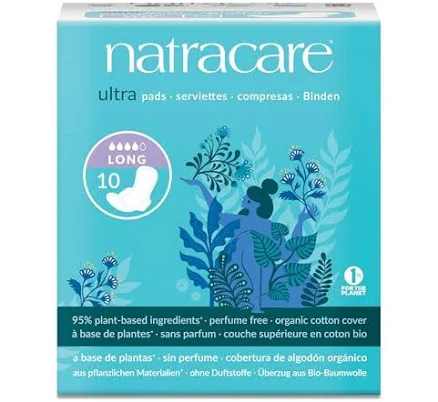
- A third party reports verifying it as PFAS-free
- Fragrance allergens (if scented variant)
2 hazards checked on this product, all on its full breakdown.
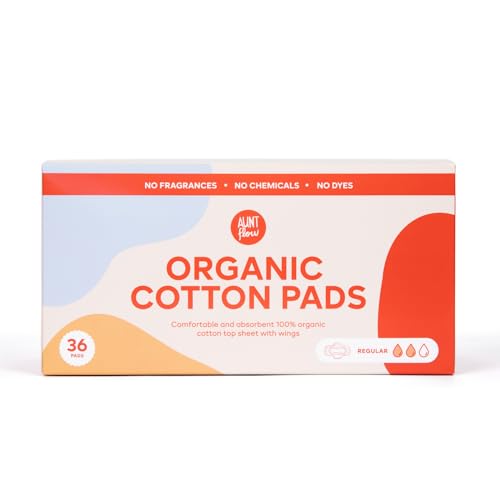
- organic cotton with natural fibers
- The brand calls it PFAS-free, which we have not verified
- Microplastics
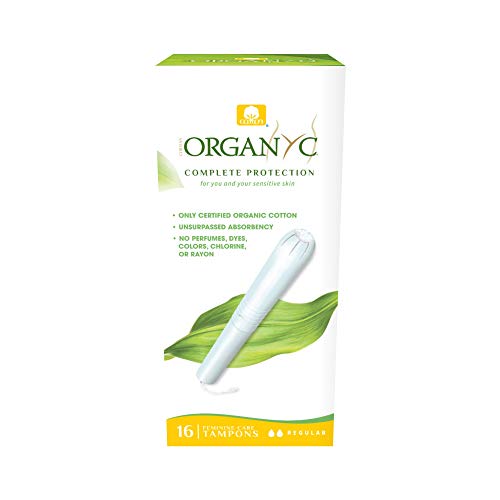
Organyc
100% Certified Organic Cotton Tampons Cardboard Applicator
- 100% organic cotton with cardboard applicator
- We found no PFAS statement from the brand
- Cardboard applicator structural integrity over time
More period care grades
 100Seventh Generation Maxi Pads - Overnight
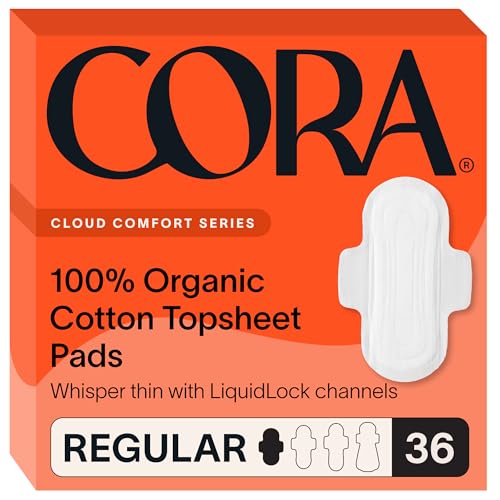 70Cora Organic Cotton Pads
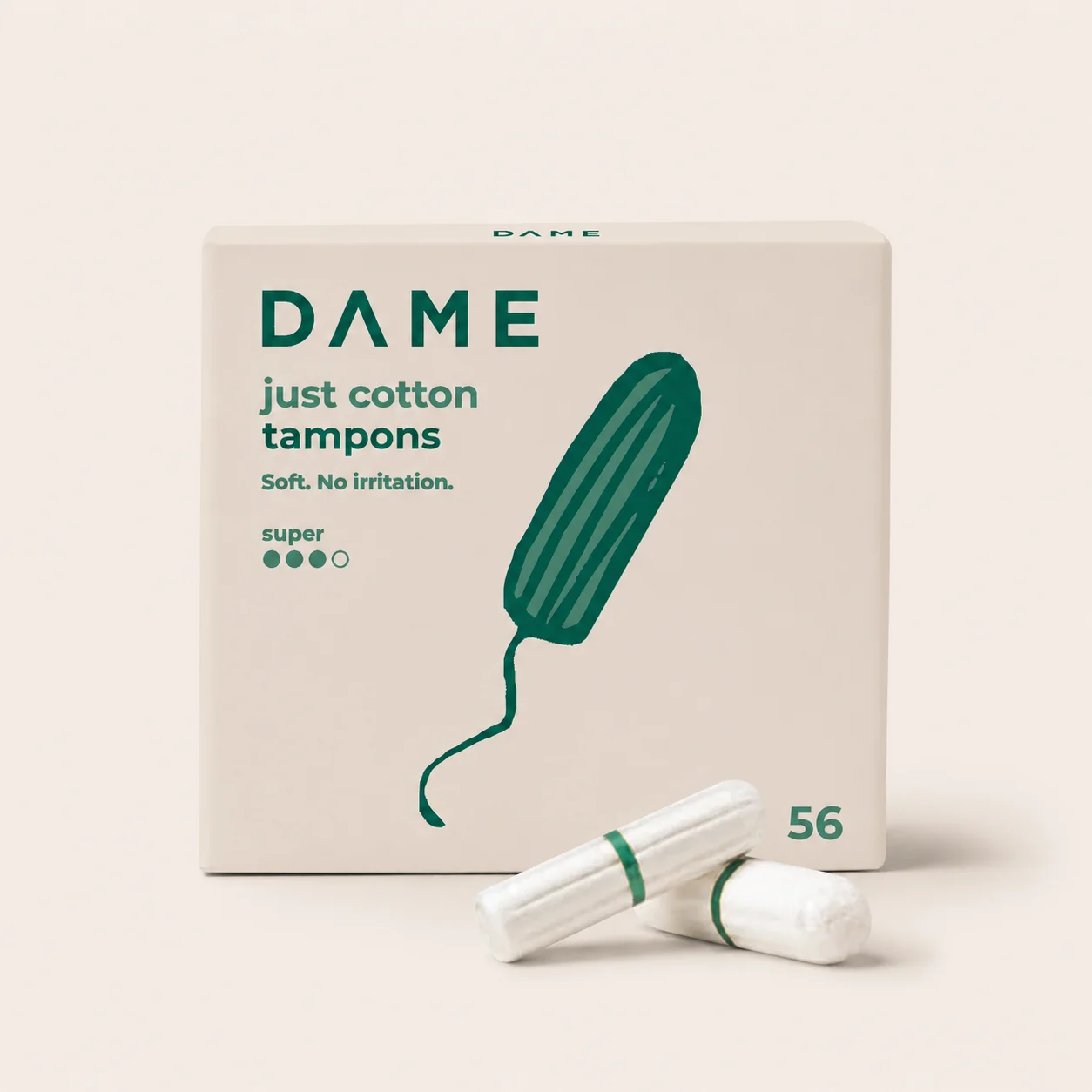 70Dame Organic Cotton Tampons
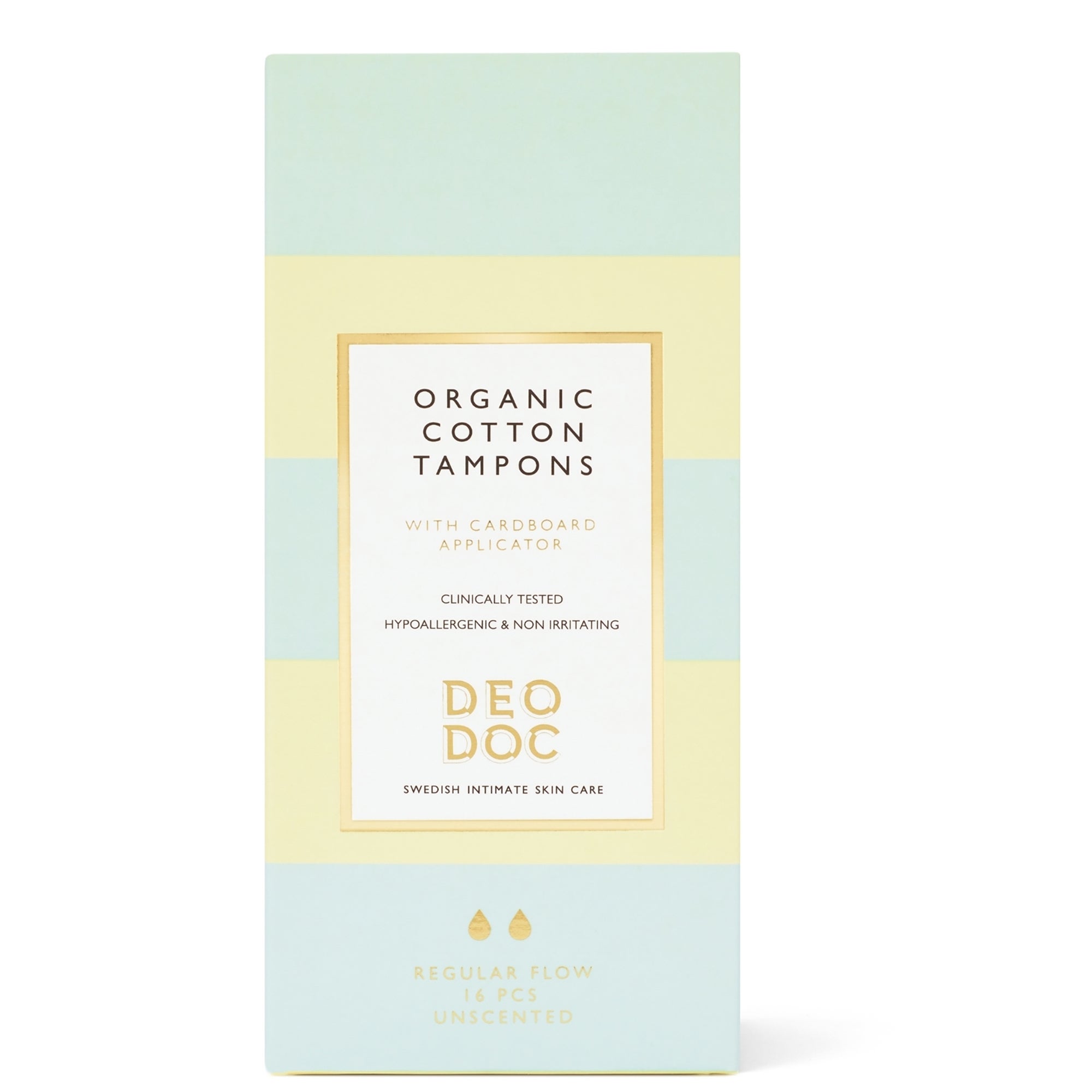 70DeoDoc Cotton Tampons
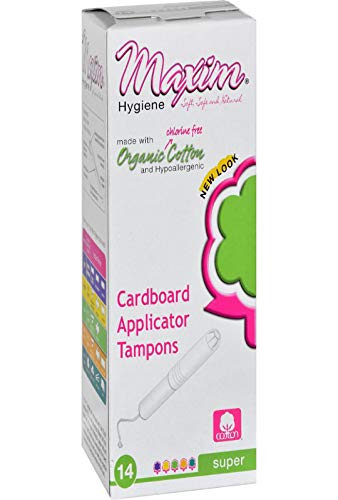 70Maxim Hygiene Organic Cotton Cardboard Applicator Tampons
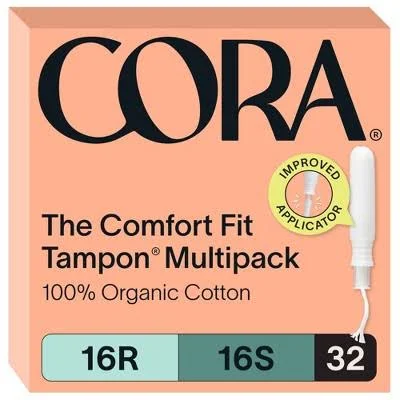 70Cora Organic Tampons
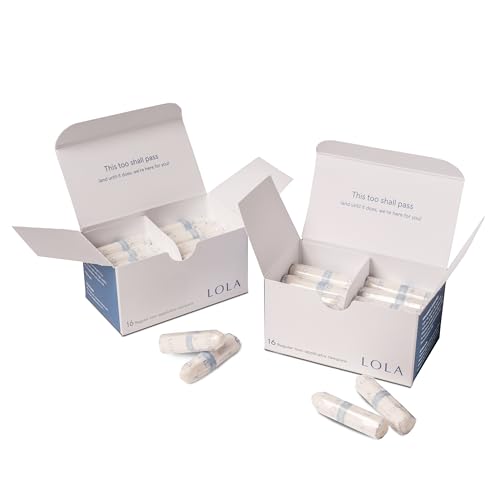 70Lola 100% Organic Cotton Tampons Applicator Free
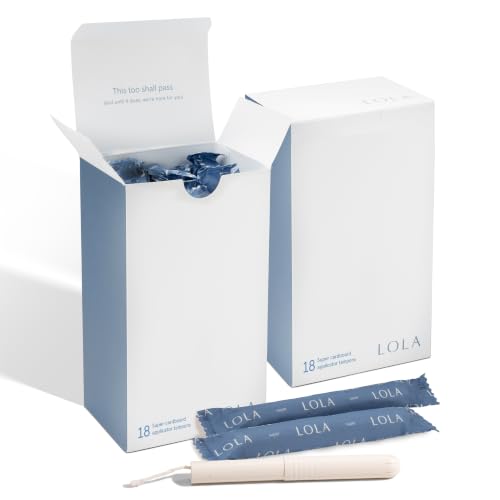 70Lola 100% Organic Cotton Tampons Cardboard Applicator
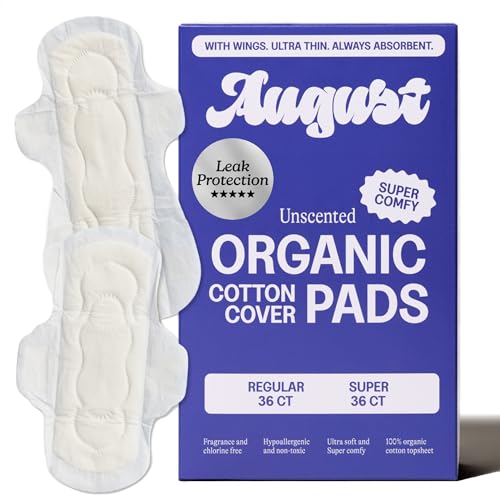 70August Organic Cotton Top Layer Pads, 36-Pack Regular
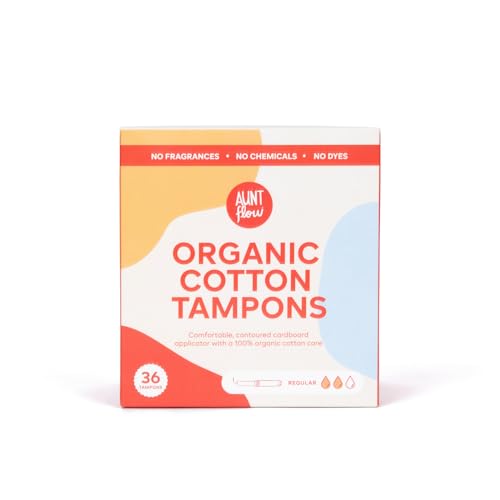 70Aunt Flow Organic Cotton Cardboard Applicator TamponsCompare vs Natracare →All period care →
How we score, every product runs through the same public 0-100 rubric based on materials, coatings, brand disclosure, lab findings, and recalls. See the full methodology → Spotted a mistake? Report an error.