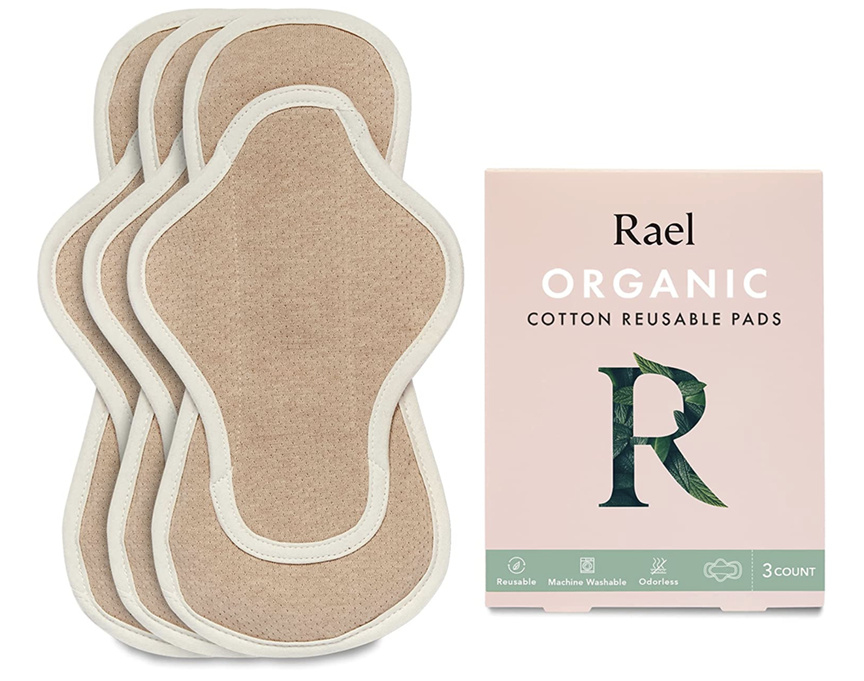
Rael Reusable Organic Cotton Pads
Reusable organic cotton pads carry lower PFAS concern.
Organic cotton inherently contains no PFAS. Rael makes no PFAS claims or disclosures, but the material itself is not associated with PFAS contamination in finished period products.
We flunk more products than we pass. This one earned its grade. How we grade
Material
organic cotton
Brand disclosure
Brand is silent on PFAS
Lab data
No public lab test
You may also be interested in
Top-graded picks in the categories readers replace first, every one scored on the same rubric.

- polypropylene filter housing, carbon/sediment cartridge
- We found no PFAS statement from the brand
- Bacterial growth in spent cartridges
3 hazards checked on this product, all on its full breakdown.

Aquasure
Premier Series 75 GPD Under Sink Reverse Osmosis Water Filtration System
- RO membrane, carbon filters, stainless steel housing
- We found no PFAS statement from the brand
- Bacterial and microbial growth in housing and filters
4 hazards checked on this product, all on its full breakdown.

Avocado
Vegan Mattress
- organic cotton, natural latex, coconut coir, recycled steel coils
- The brand calls it PFAS-free, which we have not verified
- Heavy metals
2 hazards checked on this product, all on its full breakdown.
What Rael Reusable Organic Cotton Pads is made of, ingredients and materials
Rael Reusable Organic Cotton Pads are constructed from certified organic cotton, which is grown without synthetic pesticides or GMO seeds. Organic cotton eliminates residual pesticide contamination common in conventional cotton, and the material itself does not require chemical processing steps that introduce heavy metals or volatile organics. The reusable format means no bleach, dyes, or adhesives typical of single-use pads; Rael's pads use a snap closure and absorbent inner layers that are documented as cotton-based.
What’s concerning
Category baseline
The starting point for this type of product, before anything specific to this product is counted.
No PFAS disclosure
No public statement from the brand about PFAS in this product.
Bacterial growth during storage or use
Any absorbent textile product can harbor bacteria if stored damp or unwashed for extended periods. This is a use-care issue, not a manufacturing defect; proper air-drying and weekly washing eliminate practical risk.
What’s reassuring
Base material not linked to PFAS
The main material recorded for this product is not one associated with PFAS.
Pesticide residue
Organic certification by standard bodies (GOTS) excludes synthetic pesticides by definition; no residue recalls or testing failures are on record for Rael pads. Risk is inherently lower than conventional cotton but not independently lab-verified here.
Source, EPA ↗Azo dyes and synthetic colorants
No dyes or colorants are documented in Rael's product description; pads are typically sold in undyed natural cotton or minimal-dye finishes. If color is present, the brand does not disclose dye type; standard reusable pads rarely use azo dyes due to durability constraints.
Heavy metals
Organic cotton production standards limit heavy metal uptake; no contamination incidents are recorded for Rael or comparable reusable organic cotton pads. Independent verification of cadmium or lead is not published.
Source, FDA ↗Formaldehyde / VOCs
Reusable cotton pads do not require wrinkle-resistance or durable-press finishes that typically introduce formaldehyde releasers. No formaldehyde risk is documented for this product class.
Source, ATSDR ↗How is this PFAS grade calculated?
The brand's record and disclosure
Rael markets the product with organic certification (GOTS or equivalent) and sustainability messaging, but the brand has not published detailed chemical safety data sheets or third-party test results for heavy metals, dye safety, or pesticide residues on finished pads. No product recalls or safety incidents for Rael reusable pads are on record. The brand's silence on PFAS policy is consistent with the reusable cotton category, where intentional water-resistance coatings are not standard, reducing PFAS risk by design.
How it compares in its category
Reusable organic cotton pads carry lower chemical concern than conventional single-use pads, which often use bleached wood pulp, synthetic fragrances, and dioxin byproducts from chlorine bleaching. Compared to other reusable organic cotton pads (e.g., Lola, Party in My Pants), Rael's offering is competitively positioned; all reusable organic pads avoid the adhesive and absorbent-gel concerns of disposables. No major differentiator in safety profile exists among reusable organic cotton brands at this stage of market transparency.
If you buy it
Wash pads in cool water after each use to prevent bacterial growth and staining; hot water may degrade elastic components over time. Air-dry completely before storage to avoid mildew. If pads show persistent odor, visible wear, or separation of layers, retire them; organic cotton typically lasts 3-5 years with regular care. Do not use bleach or fabric softeners, as these can compromise absorbency and introduce residual chemicals.
What is not known about PFAS in this product?
- Basis
- Model estimate, 72% confidence, not a lab result
- Lab test
- None on record for this exact product
- Brand statement
- Rael has made none
Formulations change between production runs, so check the current label. How we grade.
What are the PFAS-free alternatives to Rael Reusable Organic Cotton Pads?
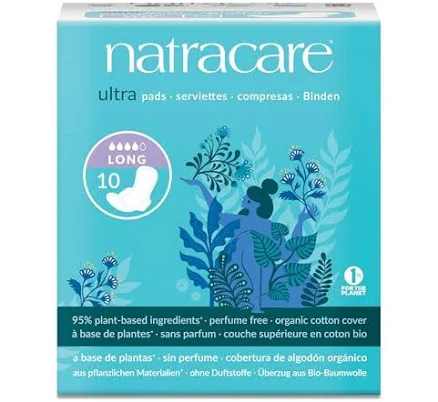
- A third party reports verifying it as PFAS-free
- Fragrance allergens (if scented variant)
2 hazards checked on this product, all on its full breakdown.
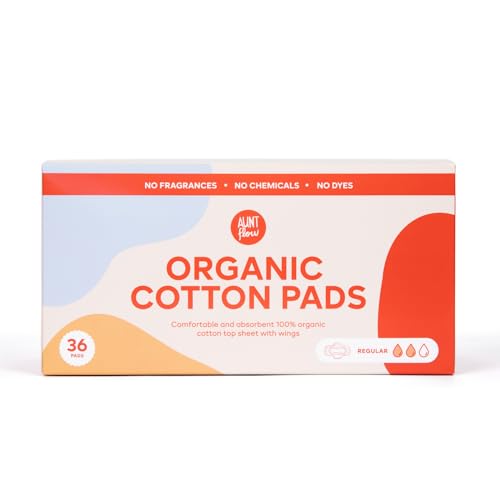
- organic cotton with natural fibers
- The brand calls it PFAS-free, which we have not verified
- Microplastics
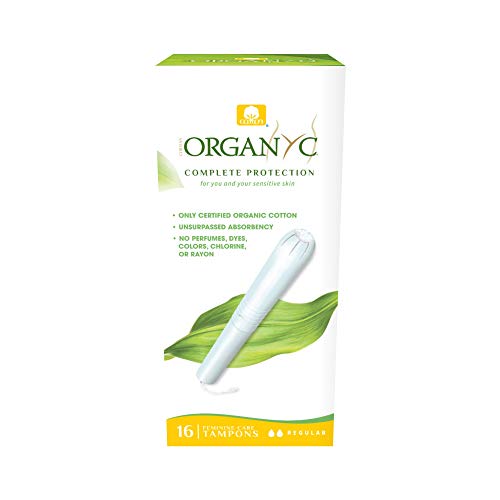
Organyc
100% Certified Organic Cotton Tampons Cardboard Applicator
- 100% organic cotton with cardboard applicator
- We found no PFAS statement from the brand
- Cardboard applicator structural integrity over time
More period care grades
 100Seventh Generation Maxi Pads - Overnight
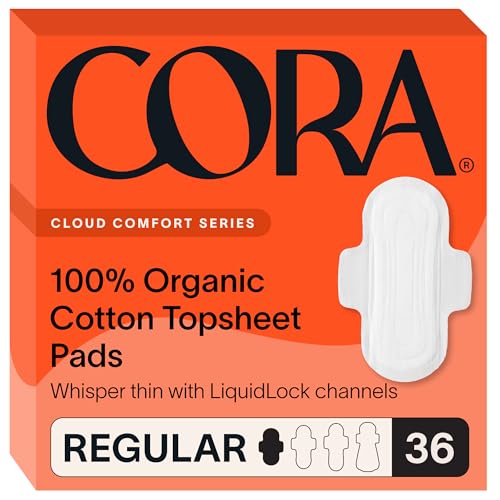 70Cora Organic Cotton Pads
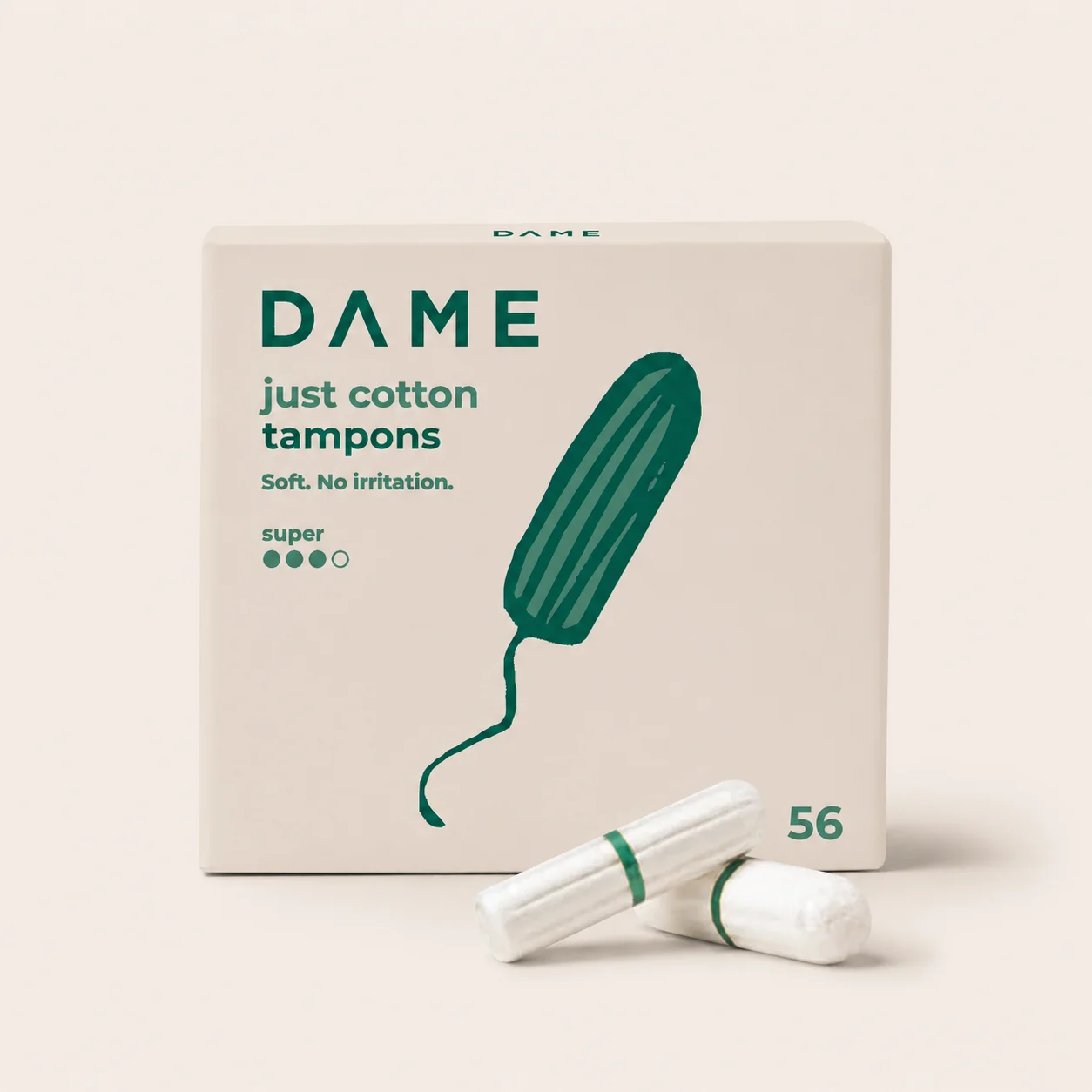 70Dame Organic Cotton Tampons
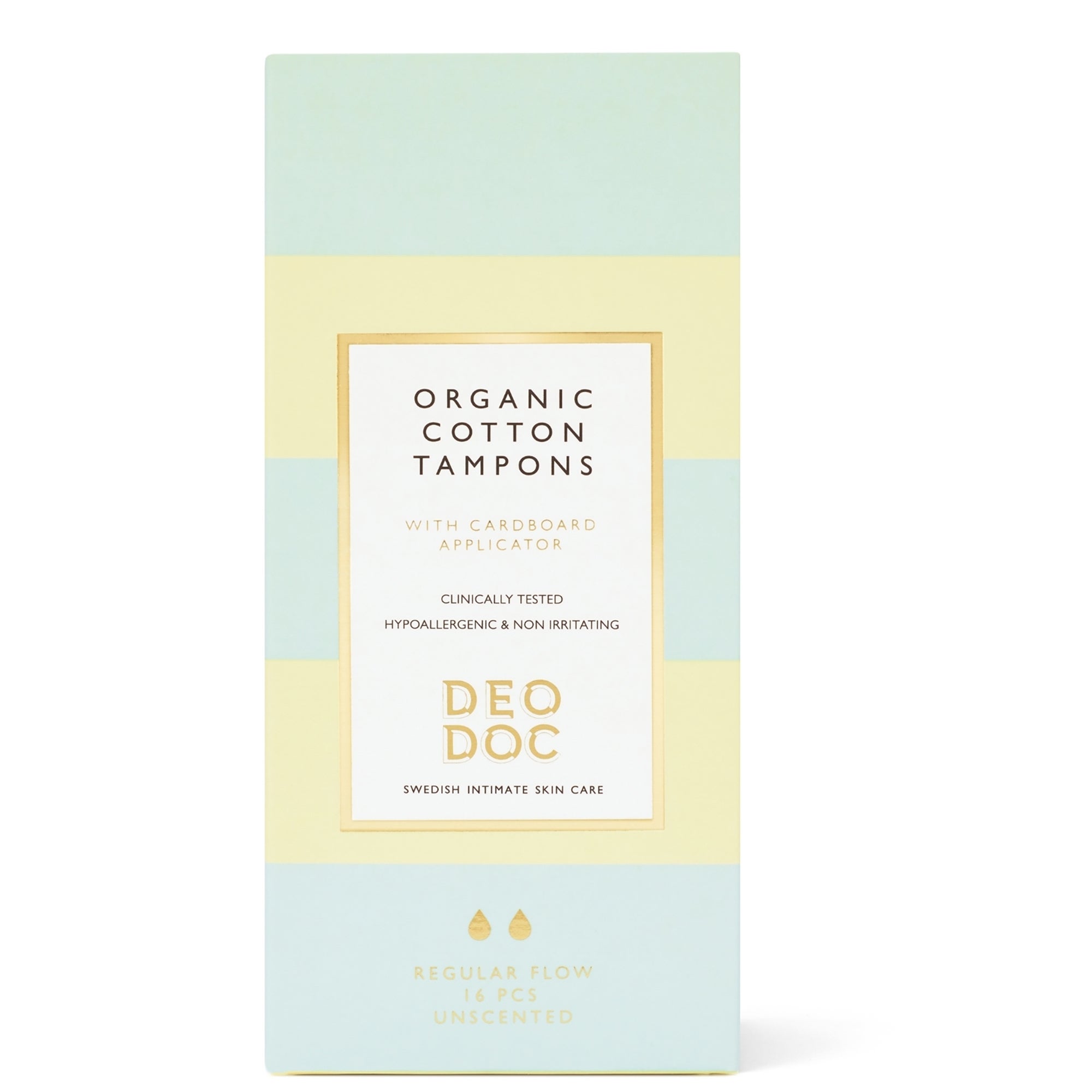 70DeoDoc Cotton Tampons
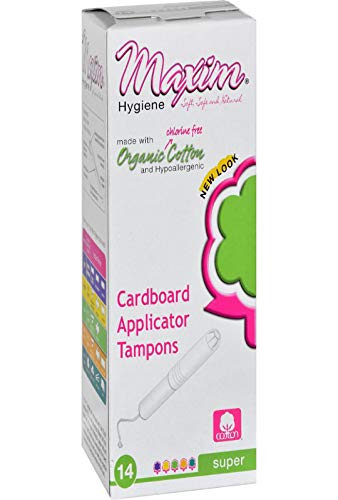 70Maxim Hygiene Organic Cotton Cardboard Applicator Tampons
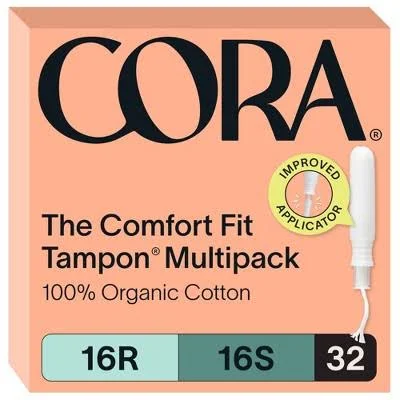 70Cora Organic Tampons
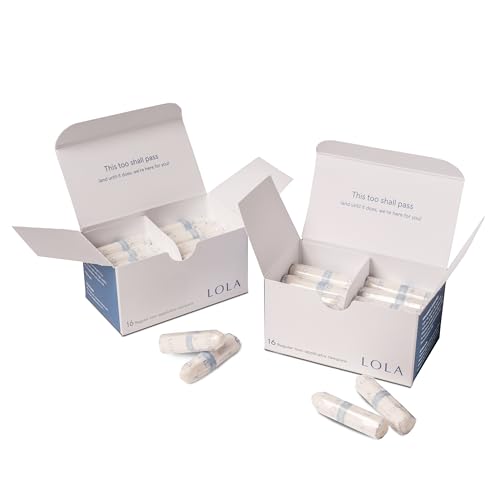 70Lola 100% Organic Cotton Tampons Applicator Free
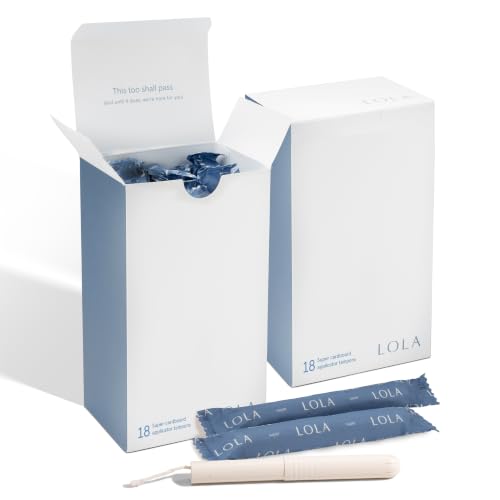 70Lola 100% Organic Cotton Tampons Cardboard Applicator
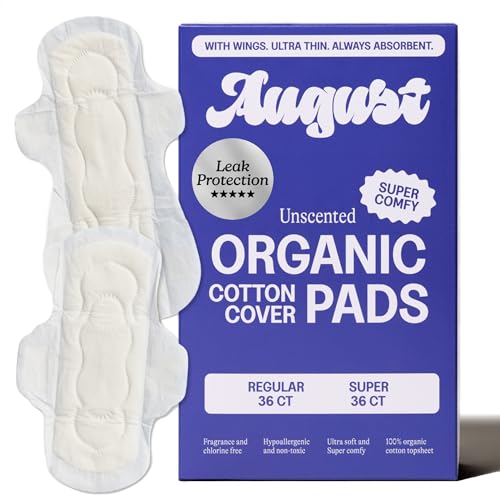 70August Organic Cotton Top Layer Pads, 36-Pack Regular
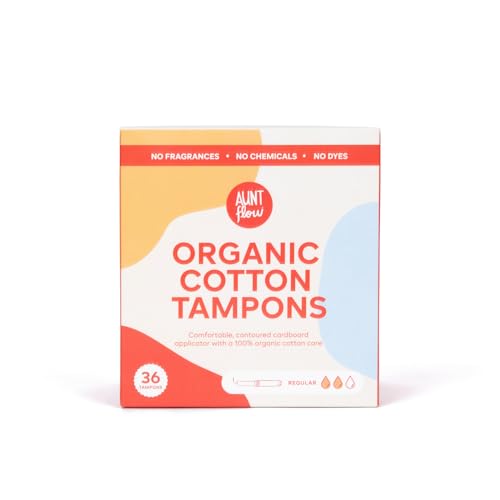 70Aunt Flow Organic Cotton Cardboard Applicator TamponsCompare vs Natracare →All period care →
How we score, every product runs through the same public 0-100 rubric based on materials, coatings, brand disclosure, lab findings, and recalls. See the full methodology → Spotted a mistake? Report an error.