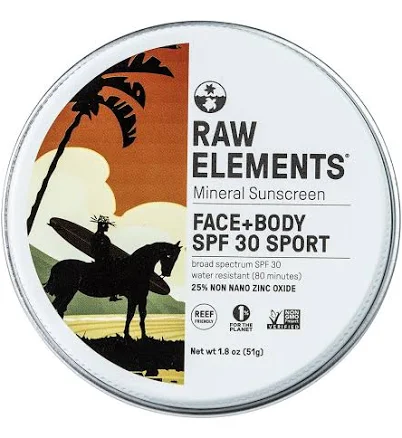
Raw Elements Mike Field Face & Body SPF 30 Tin
No coating of concern recorded, and no PFAS statement from the brand.
The brand has published no PFAS statement for this product that we could find.
We flunk more products than we pass. This one earned its grade. How we grade
Material
mineral-based sunscreen (zinc oxide/titanium dioxide); tin container
Brand disclosure
Brand is silent on PFAS
Lab data
No public lab test
You may also be interested in
Top-graded picks in the categories readers replace first, every one scored on the same rubric.

- polypropylene filter housing, carbon/sediment cartridge
- We found no PFAS statement from the brand
- Bacterial growth in spent cartridges
3 hazards checked on this product, all on its full breakdown.

Aquasure
Premier Series 75 GPD Under Sink Reverse Osmosis Water Filtration System
- RO membrane, carbon filters, stainless steel housing
- We found no PFAS statement from the brand
- Bacterial and microbial growth in housing and filters
4 hazards checked on this product, all on its full breakdown.

Avocado
Vegan Mattress
- organic cotton, natural latex, coconut coir, recycled steel coils
- The brand calls it PFAS-free, which we have not verified
- Heavy metals
2 hazards checked on this product, all on its full breakdown.
What Raw Elements Mike Field Face & Body Tin is made of, ingredients and materials
Raw Elements Face & Body SPF 30 is a mineral-based sunscreen using zinc oxide and/or titanium dioxide as active UV blockers. These inorganic minerals sit on the skin surface rather than absorbing into it, making them less prone to systemic absorption concerns than chemical sunscreens. The tin container avoids plastic-leaching hazards (BPA, phthalates) entirely, since metal does not leach into oil-based or waxy formulations under normal storage. Mineral formulations have a long established safety profile in dermatology.
What’s concerning
No PFAS disclosure
No public statement from the brand about PFAS in this product.
Category baseline
The starting point for this type of product, before anything specific to this product is counted.
Heavy metals
Zinc oxide and titanium dioxide can contain trace lead or cadmium depending on ore sourcing and refining. Raw Elements does not publicly disclose third-party heavy metal testing of its mineral powders, so contamination cannot be ruled out, though major sunscreen suppliers typically meet FDA limits.
Source, FDA ↗Fragrance allergens and undisclosed fragrance ingredients
If the product includes fragrance (common in tinted mineral sunscreens or those marketed for feel), unlisted fragrance components can trigger contact dermatitis or sensitization. Raw Elements marketing emphasizes natural ingredients but does not always specify fragrance type or allergen disclosures on labels readily available online.
Tin container rust or corrosion
Unlined or poorly sealed tin cans can rust over time, especially in humid climates, introducing iron oxide particles into the product. Inspect the tin seal and interior condition; well-manufactured tins with food-grade linings minimize this risk but Raw Elements does not specify tin lining standards in public materials.
What’s reassuring
Base material not linked to PFAS
The main material recorded for this product is not one associated with PFAS.
Talc or talc-like mineral contaminants
No talc has been identified in Raw Elements formulations; mineral sunscreens typically use only zinc oxide and titanium dioxide as active UV agents. However, some mineral sunscreen brands have faced talc concerns, so verification of raw material purity would require direct contact with the brand.
Formaldehyde / VOCs
Mineral sunscreens in sealed tins have minimal microbial growth risk and typically require fewer preservatives than water-based formulas. No formaldehyde releasers or concerning preservative residues have been identified in Raw Elements products on record.
Source, ATSDR ↗How is this PFAS grade calculated?
The brand's record and disclosure
Raw Elements markets itself as a natural, reef-safe sunscreen brand but does not publicly release third-party safety test results or detailed ingredient sourcing. The brand has not issued a PFAS statement; no PFAS coating of concern has been recorded on this product. No major recalls or regulatory actions against Raw Elements sunscreens are on public record. The lack of transparency on heavy metal testing (common in mineral sunscreens sourced from varied suppliers) represents a minor disclosure gap, though mineral oxides themselves are not inherently contaminated.
How it compares in its category
Mineral sunscreens like this one avoid synthetic UV filters and associated absorption concerns, placing them in a lower-hazard category than chemical sunscreens. Tin packaging is superior to plastic tubes or bottles for preventing leaching; most sunscreens are sold in plastic containers that can degrade over years. This product is typical of the natural/reef-safe segment and carries no known contaminant risk higher than mainstream mineral competitors (e.g., Badger, Blue Lizard mineral lines), though Raw Elements does not publish third-party testing to differentiate itself.
If you buy it
Store the tin in a cool, dry place away from direct heat; mineral sunscreens are stable and do not degrade easily, but tin can conduct heat. Inspect the tin seal before purchase and discard if it appears damaged or rusted, as this compromises hygiene. Apply generously and reapply every two hours or after water contact; mineral formulations may leave a white cast and can feel thicker than chemical sunscreens, so user preference varies. Replace after two years or if you notice separation or grittiness in the product.
What is not known about PFAS in this product?
- Basis
- Model estimate, 78% confidence, not a lab result
- Lab test
- None on record for this exact product
- Brand statement
- Raw Elements has made none
Formulations change between production runs, so check the current label. How we grade.
What are the PFAS-free alternatives to Raw Elements Mike Field Face & Body SPF 30 Tin?
- Mineral sunscreen, zinc oxide base
- A third party reports verifying it as PFAS-free
- 1,4-dioxane (non-intentional contaminant from surfactants/emulsifiers)
2 hazards checked on this product, all on its full breakdown.
- mineral sunscreen (zinc oxide or titanium dioxide base)
- The brand calls it PFAS-free, which we have not verified
- Synthetic fragrance allergens
More sunscreen grades
How we score, every product runs through the same public 0-100 rubric based on materials, coatings, brand disclosure, lab findings, and recalls. See the full methodology → Spotted a mistake? Report an error.