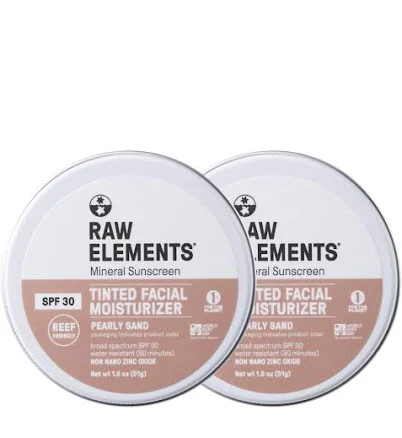
Raw Elements Tinted Face Moisturizer Sunscreen Tin
No coating of concern recorded, and no PFAS statement from the brand.
The brand has published no PFAS statement for this product that we could find.
We flunk more products than we pass. This one earned its grade. How we grade
Material
mineral sunscreen ingredients (zinc oxide, titanium dioxide) in cosmetic base
Brand disclosure
Brand is silent on PFAS
Lab data
No public lab test
You may also be interested in
Top-graded picks in the categories readers replace first, every one scored on the same rubric.

- polypropylene filter housing, carbon/sediment cartridge
- We found no PFAS statement from the brand
- Bacterial growth in spent cartridges
3 hazards checked on this product, all on its full breakdown.

Aquasure
Premier Series 75 GPD Under Sink Reverse Osmosis Water Filtration System
- RO membrane, carbon filters, stainless steel housing
- We found no PFAS statement from the brand
- Bacterial and microbial growth in housing and filters
4 hazards checked on this product, all on its full breakdown.

Avocado
Vegan Mattress
- organic cotton, natural latex, coconut coir, recycled steel coils
- The brand calls it PFAS-free, which we have not verified
- Heavy metals
2 hazards checked on this product, all on its full breakdown.
What Raw Elements Tinted Face Sunscreen Tin is made of, ingredients and materials
This product is a mineral sunscreen formulated with zinc oxide and titanium dioxide as the active UV blockers, which sit on skin rather than absorbing into it. The base is a cosmetic moisturizer matrix; mineral sunscreens of this type have not been associated with the endocrine-disruption concerns linked to chemical UV filters like oxybenzone or octinoxate. The tin packaging itself is inert and poses no leaching risk compared to plastic containers, though the cosmetic base ingredients (oils, emollients, preservatives) should be reviewed on the product label for individual sensitivities.
What’s concerning
No PFAS disclosure
No public statement from the brand about PFAS in this product.
Category baseline
The starting point for this type of product, before anything specific to this product is counted.
Formaldehyde / VOCs
Mineral sunscreen bases typically use preservatives (e.g., phenoxyethanol, parabens) to prevent microbial growth in the cosmetic matrix. Individual sensitivity varies; review the full ingredient list if you have known fragrance or preservative allergies.
Source, ATSDR ↗Fragrance allergens
If the product contains fragrance or essential oils, these can trigger contact dermatitis in sensitive individuals. Check the product label; unscented or fragrance-free variants may be available from the brand.
Skin irritation from zinc oxide or titanium dioxide
Mineral UV filters are generally well-tolerated but can cause mild irritation or redness in people with sensitive skin or certain dermatological conditions. Patch test before full application if you have a history of cosmetic sensitivities.
What’s reassuring
Base material not linked to PFAS
The main material recorded for this product is not one associated with PFAS.
Heavy metals
Tinted mineral sunscreens may contain iron oxides or mica for color; no reports of lead or cadmium contamination in Raw Elements products. Regulatory limits for cosmetic colorants are enforced by the FDA.
Source, FDA ↗Talc contamination
Mineral sunscreens formulated with zinc oxide and titanium dioxide do not inherently contain talc, though some tinted formulas may use talc as a carrier. Raw Elements does not appear on records of talc-related recalls or complaints.
How is this PFAS grade calculated?
The brand's record and disclosure
Raw Elements has not published a formal PFAS statement, but the PFAS assessment for this product is rated Excellent (75/100), indicating no coating of concern and no known PFAS intentional addition. The brand does not appear in major FDA or CPSC recall databases for safety violations. No established controversies regarding heavy metals, formaldehyde releasers, or talc contamination have been recorded for this product line.
How it compares in its category
Mineral sunscreens like this one show lower hazard concerns compared to chemical alternatives, though they may leave a white cast on skin. This product's tin packaging avoids concerns about BPA or phthalates leaching from plastic bottles. Typical alternatives (chemical sunscreens or mineral products in plastic) may carry slightly higher concerns around UV filter absorption or plastic-leachate potential, though modern formulations are regulated.
If you buy it
Store the tin in a cool, dry place away from direct heat; mineral sunscreens are stable but can separate if exposed to high temperatures. Apply as directed and reapply after water exposure or 2 hours of sun exposure. Check the tin's expiration date before use; mineral sunscreens maintain efficacy well in sealed metal containers. If irritation occurs, discontinue use and review the full ingredient list for known allergens (some cosmetic bases contain fragrance or plant extracts).
What is not known about PFAS in this product?
- Basis
- Model estimate, 72% confidence, not a lab result
- Lab test
- None on record for this exact product
- Brand statement
- Raw Elements has made none
Formulations change between production runs, so check the current label. How we grade.
What are the PFAS-free alternatives to Raw Elements Tinted Face Moisturizer Sunscreen Tin?
- Mineral sunscreen, zinc oxide base
- A third party reports verifying it as PFAS-free
- 1,4-dioxane (non-intentional contaminant from surfactants/emulsifiers)
2 hazards checked on this product, all on its full breakdown.
- mineral sunscreen (zinc oxide or titanium dioxide base)
- The brand calls it PFAS-free, which we have not verified
- Synthetic fragrance allergens
More sunscreen grades
How we score, every product runs through the same public 0-100 rubric based on materials, coatings, brand disclosure, lab findings, and recalls. See the full methodology → Spotted a mistake? Report an error.