Resolve · Fabric Stain Guard Sprays
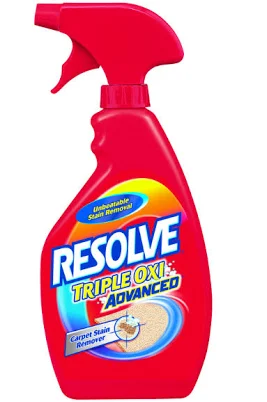
Carpet Cleaner Trigger Spray 22 oz Brand Resolve - No. 1920000601
Lower PFAS concern likely, but no disclosure limits confidence.
This liquid spray cleaner contains no known PFAS-flagged ingredients, as surfactants in consumer carpet cleaners are not routinely PFAS-based. The brand makes no PFAS claim, and no independent lab data exists.
We flunk more products than we pass. This one earned its grade. How we grade
Material
Aqueous surfactant spray solution in plastic trigger bottle
Lab data
No public lab test
You may also be interested in
Top-graded picks in the categories readers replace first, every one scored on the same rubric.

- polypropylene filter housing, carbon/sediment cartridge
- We found no PFAS statement from the brand
- Bacterial growth in spent cartridges
3 hazards checked on this product, all on its full breakdown.

Aquasure
Premier Series 75 GPD Under Sink Reverse Osmosis Water Filtration System
- RO membrane, carbon filters, stainless steel housing
- We found no PFAS statement from the brand
- Bacterial and microbial growth in housing and filters
4 hazards checked on this product, all on its full breakdown.

Avocado
Vegan Mattress
- organic cotton, natural latex, coconut coir, recycled steel coils
- The brand calls it PFAS-free, which we have not verified
- Heavy metals
2 hazards checked on this product, all on its full breakdown.
What Carpet Cleaner Trigger Spray 22 oz No. is made of, ingredients and materials
Resolve Carpet Cleaner Trigger Spray is an aqueous surfactant-based solution, meaning it uses water and cleaning agents (likely anionic or noniionic surfactants) rather than solvent-heavy formulas. The 22 oz plastic trigger bottle is typically high-density polyethylene (HDPE) or polypropylene (PP), which are stable food-contact plastics at room temperature and pose minimal leaching risk during normal storage and use. The spray mechanism itself introduces aerosolization, which affects inhalation exposure more than ingestion or dermal contact.
What’s concerning
Category baseline
The starting point for this type of product, before anything specific to this product is counted.
No PFAS disclosure
No public statement from the brand about PFAS in this product.
Volatile organic compounds (VOC) and fragrance off-gassing
Spray aerosol format and typical fragrance additives in carpet cleaners create inhalation exposure during and shortly after application. No specific VOC data published for this formulation; ventilation is the primary control.
Surfactant respiratory or skin irritation
Anionic surfactants in cleaning sprays can irritate respiratory mucosa and skin on prolonged contact. Standard warning labels recommend avoiding inhalation; users with asthma or sensitive airways face higher risk.
Undisclosed fragrance allergens or sensitizers
Resolve lists 'fragrance' as a general ingredient without component breakdown. Fragrance blends in cleaning products commonly include limonene and other terpenes that can generate respiratory irritants when oxidized in air; individual sensitivity varies widely.
What’s reassuring
Base material not linked to PFAS
The main material recorded for this product is not one associated with PFAS.
Plastic trigger bottle degradation or leaching
HDPE and PP bottles are chemically stable under normal storage; no documented leaching hazards for aqueous surfactant solutions in this material at room temperature.
Formaldehyde / VOCs
Carpet cleaning sprays typically rely on surfactant systems and pH adjustment for preservation rather than formaldehyde-releasing preservatives; no specific evidence of this hazard in Resolve formulations on record.
Source, ATSDR ↗How is this PFAS grade calculated?
The brand's record and disclosure
Resolve (owned by Reckitt Benckiser) does not publish detailed ingredient disclosure or third-party certifications (e.g., lower concern choice, EcoLogo) for this product as a standard practice. No major recalls or safety controversies specific to this trigger spray formula are on record. The brand maintains a mixed reputation on transparency; competitor products in the carpet-care category increasingly list allergens and fragrance components, but Resolve does not follow this standard routinely.
How it compares in its category
Aqueous trigger sprays like Resolve sit in the middle tier of carpet-cleaning products. They have lower volatile organic compound risk than solvent-based spot cleaners but typically contain fragrance and surfactant blends that shed fewer hazards than powder or foam formats. Most similar products (Folex, Zout, Clorox) share comparable ingredient opacity and rely on ventilation to manage inhalation exposure. Resolve's market dominance does not correlate with superior safety disclosure.
If you buy it
Use in well-ventilated spaces to minimize inhalation of spray aerosol and fragrance volatiles. Avoid spraying directly on skin or allowing prolonged contact with eyes; rinse immediately with water if contact occurs. Keep the trigger bottle stored upright in a cool, dry place away from direct heat or sunlight to prevent plastic degradation or surfactant settling. Replace the trigger mechanism if it leaks or clogs rather than forcing it, as this can damage the seal and increase spill risk.
What is not known about PFAS in this product?
- Basis
- Model estimate, 72% confidence, not a lab result
- Lab test
- None on record for this exact product
- Brand statement
- Resolve has made a specific claim
Formulations change between production runs, so check the current label. How we grade.
More fabric stain guard sprays grades
How we score, every product runs through the same public 0-100 rubric based on materials, coatings, brand disclosure, lab findings, and recalls. See the full methodology → Spotted a mistake? Report an error.