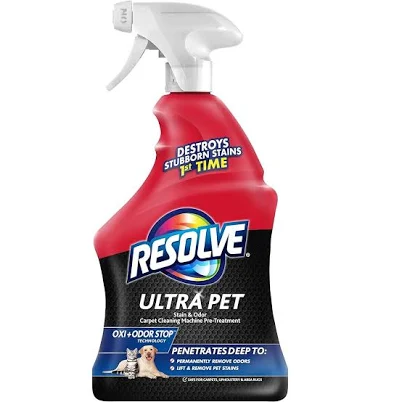
Resolve · Fabric Stain Guard Sprays
Resolve Ultra Stain/Odor Remover
Liquid cleaner with no known PFAS risks, but brand silent on composition.
Resolve Ultra is a spray cleaner formulated with common surfactants and enzymes, not typically a PFAS-use category. No public evidence of PFAS in this product type, though brand provides no explicit transparency.
We flunk more products than we pass. This one earned its grade. How we grade
Material
Aqueous surfactant blend, cleaning agents
Lab data
No public lab test
You may also be interested in
Top-graded picks in the categories readers replace first, every one scored on the same rubric.

- polypropylene filter housing, carbon/sediment cartridge
- We found no PFAS statement from the brand
- Bacterial growth in spent cartridges
3 hazards checked on this product, all on its full breakdown.

Aquasure
Premier Series 75 GPD Under Sink Reverse Osmosis Water Filtration System
- RO membrane, carbon filters, stainless steel housing
- We found no PFAS statement from the brand
- Bacterial and microbial growth in housing and filters
4 hazards checked on this product, all on its full breakdown.

Avocado
Vegan Mattress
- organic cotton, natural latex, coconut coir, recycled steel coils
- The brand calls it PFAS-free, which we have not verified
- Heavy metals
2 hazards checked on this product, all on its full breakdown.
What Resolve Ultra Stain/Odor Remover is made of, ingredients and materials
Resolve Ultra is formulated as an aqueous surfactant-based stain remover, meaning it relies on water-soluble cleaning agents and detergents rather than solvents or volatile organic compounds. The surfactants work by breaking down grease and protein-based stains on fabric fibers. This material class does not typically leach heavy metals, off-gas at room temperature, or contain binders that release formaldehyde. The lack of solvent base and sealed liquid form mean inhalation risk from volatiles is minimal during normal use.
What’s concerning
Category baseline
The starting point for this type of product, before anything specific to this product is counted.
No PFAS disclosure
No public statement from the brand about PFAS in this product.
Surfactant skin and eye irritation
Aqueous surfactant blends can cause mild to moderate irritation on contact with skin or mucous membranes. Direct spray into eyes poses recognized hazard; repeated skin contact may cause dermatitis in sensitive individuals. Not a systemic toxin at exposure levels from routine household use.
Residual surfactant on fabric
Incompletely rinsed surfactant can remain on treated fabric and cause skin irritation during wearing, particularly for infants or those with eczema or atopic conditions. Residue also attracts dirt and oils, reducing fabric cleanliness over time. Thorough water rinsing after air-drying is standard mitigation.
Fragrance allergens
Resolve Ultra contains added fragrance to mask the scent of surfactants and cleaning byproducts. Fragrance compounds (particularly essential oils or synthetic musks) can trigger contact dermatitis or respiratory sensitivity in susceptible individuals. No specific allergen notice is published; users with fragrance sensitivity should test on skin or ventilate during use.
What’s reassuring
Base material not linked to PFAS
The main material recorded for this product is not one associated with PFAS.
Heavy metals
No historical record of lead, cadmium, chromium, or azo-dye contamination in Resolve Ultra or comparable aqueous surfactant products from major manufacturers. The liquid formulation does not require pigments or stabilizers that typically introduce metal hazards.
Source, FDA ↗Volatile organic compound off-gassing
Aqueous formulations do not emit measurable VOCs (benzene, xylene, toluene) at room temperature or under normal use; the spray aerosol is water vapor and surfactant mist, not volatile organic solvents. Off-gassing is not a documented concern for this product class.
How is this PFAS grade calculated?
The brand's record and disclosure
Resolve (owned by Reckitt Benckiser) maintains a standard consumer-products disclosure posture but does not publish detailed safety or ingredient transparency reports specific to this formula. The brand has no established recalls or major safety controversies on record for this product line. Resolve does not independently certify to third-party safety standards (e.g., Cradle to Cradle, EPA Safer Choice) for this spray, though the aqueous formulation itself aligns with lower-hazard chemistry. Ingredient lists are available on packaging and brand website but do not detail concentration breakdowns.
How it compares in its category
Fabric stain removers typically fall into solvent-based (higher VOC, neurological concern) or surfactant-based (lower acute hazard) camps. Resolve Ultra sits in the safer category by avoiding aromatic hydrocarbons or chlorinated solvents common in older or premium spot cleaners. Enzyme-based or oxygen-based alternatives (e.g., OxiClean) may have lower chemical residue risk, but require longer dwell times. Resolve's spray format offers convenience at the trade-off of potential over-application and higher water waste per use.
If you buy it
Use in well-ventilated areas and avoid spraying directly into eyes or onto skin; rinse treated fabric thoroughly after stain removal and drying to minimize residual surfactant buildup, which can attract re-soiling. Do not apply to delicate fabrics (silk, wool) without testing on a hidden seam first, as surfactants can damage protein fibers. Replace the bottle if the spray nozzle clogs or leaks, as dried surfactant residue can degrade seals over time. Store away from heat and direct sunlight to prevent surfactant degradation and potential precipitation.
What is not known about PFAS in this product?
- Basis
- Model estimate, 72% confidence, not a lab result
- Lab test
- None on record for this exact product
- Brand statement
- Resolve has made a specific claim
Formulations change between production runs, so check the current label. How we grade.
More fabric stain guard sprays grades
How we score, every product runs through the same public 0-100 rubric based on materials, coatings, brand disclosure, lab findings, and recalls. See the full methodology → Spotted a mistake? Report an error.