Resolve · Fabric Stain Guard Sprays
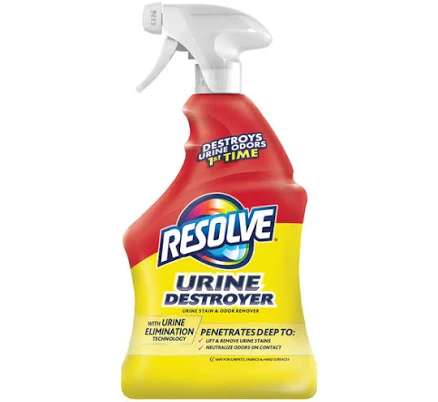
Resolve Urine Destroyer
Liquid cleaner product, no known PFAS triggers, lower concern overall.
Resolve Urine Destroyer is a liquid enzymatic cleaner without typical PFAS-prone coatings or water-resistant treatments. No public PFAS disclosures or claims available from the brand.
We flunk more products than we pass. This one earned its grade. How we grade
Material
Aqueous enzyme-based cleaning solution
Lab data
No public lab test
You may also be interested in
Top-graded picks in the categories readers replace first, every one scored on the same rubric.

- polypropylene filter housing, carbon/sediment cartridge
- We found no PFAS statement from the brand
- Bacterial growth in spent cartridges
3 hazards checked on this product, all on its full breakdown.

Aquasure
Premier Series 75 GPD Under Sink Reverse Osmosis Water Filtration System
- RO membrane, carbon filters, stainless steel housing
- We found no PFAS statement from the brand
- Bacterial and microbial growth in housing and filters
4 hazards checked on this product, all on its full breakdown.

Avocado
Vegan Mattress
- organic cotton, natural latex, coconut coir, recycled steel coils
- The brand calls it PFAS-free, which we have not verified
- Heavy metals
2 hazards checked on this product, all on its full breakdown.
What Resolve Urine Destroyer is made of, ingredients and materials
Resolve Urine Destroyer is an aqueous enzyme-based cleaning solution, meaning it relies on biological enzymes to break down urine compounds rather than harsh synthetic solvents. The aqueous (water-based) carrier keeps volatile organic compound (VOC) levels low and avoids the inhalation risks associated with solvent sprays. Enzymes are non-toxic biological catalysts that degrade specific proteins and uric acid, making this chemistry gentler on both fabric and respiratory exposure compared to ammonia or bleach-based alternatives.
What’s concerning
Category baseline
The starting point for this type of product, before anything specific to this product is counted.
No PFAS disclosure
No public statement from the brand about PFAS in this product.
Surfactant or quaternary ammonium sensitization
Most spray cleaners contain surfactants or quaternary disinfectants to aid penetration and emulsification; Resolve likely includes these to enhance enzyme activity, though concentrations and specific agents are proprietary. Skin contact or repeated inhalation of fine spray may trigger respiratory or dermal sensitization in susceptible individuals.
Enzymatic allergic response or sensitization
Proteolytic enzymes (amylase, protease, lipase) are biological agents that can trigger respiratory or skin sensitization in individuals with existing enzyme allergies or very frequent occupational exposure. Household use poses low cumulative risk, but workers in professional carpet cleaning should take precautions.
What’s reassuring
Base material not linked to PFAS
The main material recorded for this product is not one associated with PFAS.
Formaldehyde / VOCs
Aqueous enzyme cleaners typically require mild preservative systems; no published reports of 1,4-dioxane or formaldehyde releasers in Resolve Urine Destroyer formulations on record. Full ingredient list is not publicly disclosed.
Source, ATSDR ↗Inhalation risk from VOC or solvent
Water-based enzymatic formulation inherently carries much lower VOC profile than solvent-based spray alternatives. Respiratory irritation from enzyme aerosolization is theoretically possible but not reported for this product class at typical household use levels.
Fabric degradation or bleaching with extended contact
Enzymatic cleaners do not inherently bleach or degrade most synthetic or natural fibers at normal dilution and contact time. No reported cases specific to Resolve Urine Destroyer, but extended saturation of delicate fabrics may weaken fibers over time.
How is this PFAS grade calculated?
The brand's record and disclosure
Resolve is owned by Reckitt Benckiser, a large consumer goods manufacturer with inconsistent transparency on ingredient disclosure; Resolve products are not typically certified by third-party safety bodies such as EPA Safer Choice. No major recalls or established toxicity controversies are on record for Urine Destroyer specifically. The brand does not publicly clarify PFAS status across its product line, leaving some uncertainty about water-repellency additives in spray formulations, though this liquid cleaner has no known PFAS triggers.
How it compares in its category
Enzyme-based cleaners occupy a lower-concern niche within fabric sprays; most competing products rely on surfactants, ammonia, or quaternary ammonium disinfectants. Resolve's aqueous enzyme approach avoids volatile solvent fumes and is gentler on fabrics than acidic or oxidizing alternatives. Category alternatives include Nature's Miracle (enzymatic, pet-focused), Rocco & Roxie (enzymatic), and conventional ammonia sprays; this product sits in the middle for safety profile and effectiveness on protein-based stains.
If you buy it
Apply to affected fabric, allow enzyme contact time (typically 10-15 minutes) before blotting; do not heat-set the stain before treating, as this can denature enzymes and set the mark permanently. Ensure good ventilation during and after application, though aqueous formulations pose lower inhalation risk than solvent sprays. Store away from heat and direct sunlight to preserve enzyme activity; replace if the product thickens, separates, or develops odor, as this signals enzyme degradation. Test on hidden seams first, especially on delicate or antique fabrics, to confirm no discoloration or weakening occurs.
What is not known about PFAS in this product?
- Basis
- Model estimate, 72% confidence, not a lab result
- Lab test
- None on record for this exact product
- Brand statement
- Resolve has made a specific claim
Formulations change between production runs, so check the current label. How we grade.
More fabric stain guard sprays grades
How we score, every product runs through the same public 0-100 rubric based on materials, coatings, brand disclosure, lab findings, and recalls. See the full methodology → Spotted a mistake? Report an error.