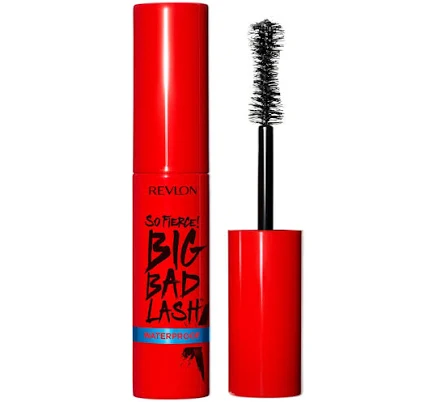
Mascara Revlon So Big Bad Lash
Waterproof cosmetic with unknown polymer composition, limited disclosure.
Revlon has not disclosed PFAS status or ingredient details for this waterproof mascara. No third-party testing or certification available to assess risk.
The better-graded swap
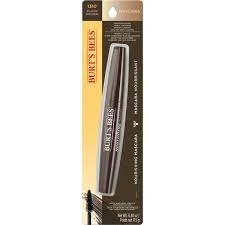
Burt's Bees
Burt's Bees 100% Natural Nourishing Mascara, Black Brown
75/100 safety
Same rubric that flunked this product. The swap earned Excellent.
Still want this one anyway? Check the price on Amazon. We’d swap it.
Material
Water-resistant mascara formula with waxes and polymers
Lab data
No public lab test
You may also be interested in
Top-graded picks in the categories readers replace first, every one scored on the same rubric.

- polypropylene filter housing, carbon/sediment cartridge
- We found no PFAS statement from the brand
- Bacterial growth in spent cartridges
3 hazards checked on this product, all on its full breakdown.

Aquasure
Premier Series 75 GPD Under Sink Reverse Osmosis Water Filtration System
- RO membrane, carbon filters, stainless steel housing
- We found no PFAS statement from the brand
- Bacterial and microbial growth in housing and filters
4 hazards checked on this product, all on its full breakdown.

Avocado
Vegan Mattress
- organic cotton, natural latex, coconut coir, recycled steel coils
- The brand calls it PFAS-free, which we have not verified
- Heavy metals
2 hazards checked on this product, all on its full breakdown.
What Mascara Revlon So Big Bad Lash is made of, ingredients and materials
Revlon So Big Bad Lash is a water-resistant mascara based on waxes (likely carnauba or synthetic), film-forming polymers, and thickeners suspended in water. The 'waterproof' claim typically relies on silicone or acrylic polymers and hydrophobic waxes that create a barrier. Water-resistant formulas require more aggressive binders and fewer water-soluble ingredients, which increases reliance on synthetic polymers of undisclosed composition. The exact polymer identity is not published by Revlon, making independent assessment of microplastic risk or volatile off-gases difficult.
What’s concerning
Waterproof / stain-resistant treatment
Water-repellent coating treatments have historically used PFAS.
Category baseline
The starting point for this type of product, before anything specific to this product is counted.
No PFAS disclosure
No public statement from the brand about PFAS in this product.
1,4-dioxane (solvent contaminant)
Water-resistant mascara formulas often use ethoxylated polymers or emulsifiers as manufacturing byproducts; 1,4-dioxane is a known impurity in these ingredients. Revlon does not publish testing data for this contaminant in mascara, but the risk exists at trace levels in water-resistant cosmetics industry-wide.
Formaldehyde / VOCs
Waterproof mascara requires robust antimicrobial systems due to high water content and wax environment favorable to fungal growth. Revlon's ingredient list does not disclose specific preservatives; formaldehyde releasers (imidazolidinyl urea, dmdm hydantoin) are common in this product category and may be present.
Source, ATSDR ↗Microplastic shedding from polymers
Water-resistant mascaras are documented sources of microplastic fibers during removal and application. The undisclosed polymer binders in this product may shed tiny particles when rubbed or removed, particularly if the mascara tube is old or the product has dried. This is a known property of the mascara category, not specific contamination.
Eye irritation from polymer or preservative residue
Approximately 5-10% of regular mascara users report irritation; water-resistant formulas increase this risk due to higher polymer concentration and potential for incomplete removal. Revlon So Big Bad Lash carries standard cosmetic irritation risk, especially for sensitive eyes or contact lens wearers who do not remove the product thoroughly.
What’s reassuring
Heavy metals
No recalls or test data link Revlon So Big Bad Lash to lead, cadmium, or arsenic contamination. Iron oxide and synthetic mica pigments used in mascaras are generally low-risk if from certified suppliers, though third-party testing is rare for mascara pigments.
Source, FDA ↗How is this PFAS grade calculated?
The brand's record and disclosure
Revlon does not publish full ingredient sourcing or polymer composition for waterproof mascaras. The brand has faced no major recalls or contamination scandals specific to this product line, but maintains limited transparency on PFAS use in water-resistant cosmetics across its portfolio. Revlon holds no third-party safety certifications (such as EWG certification or vegan/clean beauty seals) for this mascara. The brand's parent company (now owned by KKR following 2022 restructuring) has not issued public commitments to eliminate PFAS from cosmetics.
How it compares in its category
Water-resistant mascaras inherently carry higher PFAS and synthetic polymer loading than non-waterproof alternatives. Revlon So Big Bad Lash is mid-tier in this category, it lacks the premium disclosure of brands like Clinique or MAC (which provide more detailed polymer information) but is more mainstream than niche indie brands that often use wax-only formulas. Typical non-waterproof mascaras from competitors (e.g., Maybelline Lash Sensational, L'Oreal Voluminous) have fewer water-repellent polymers and thus lower PFAS potential, though they sacrifice durability.
If you buy it
Replace every 3 months or sooner if product dries out, as expired mascara becomes a bacterial reservoir and loses pigment stability. Apply only to lashes, never to the waterline or inner lid, to minimize eye irritation and polymer contact with mucous membranes. Do not heat (e.g., with blow dryer) or microwave the product, as wax and polymer degradation under heat may release volatile compounds. Remove nightly with non-abrasive micellar water or oil cleanser to prevent polymer buildup and eye inflammation.
What is not known about PFAS in this product?
- Basis
- Model estimate, 35% confidence, not a lab result
- Lab test
- None on record for this exact product
- Brand statement
- Revlon has made a specific claim
Formulations change between production runs, so check the current label. How we grade.
What are the PFAS-free alternatives to Mascara Revlon So Big Bad Lash?
- Wax, pigments, natural oils (typical mascara base)
- Fragrance allergens and undisclosed sensitizers
2 hazards checked on this product, all on its full breakdown.
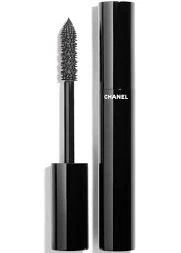
- pigments, waxes, polymers (unspecified)
- Lead
5 hazards checked on this product, all on its full breakdown.
Find an alternative on Amazon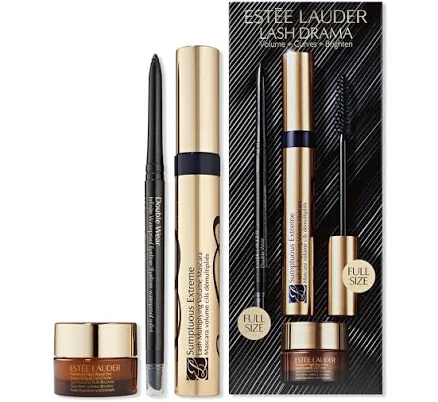
- pigments, waxes, film-formers in liquid mascara
- Heavy metals
5 hazards checked on this product, all on its full breakdown.
Find an alternative on AmazonMore waterproof mascara grades
How we score, every product runs through the same public 0-100 rubric based on materials, coatings, brand disclosure, lab findings, and recalls. See the full methodology → Spotted a mistake? Report an error.