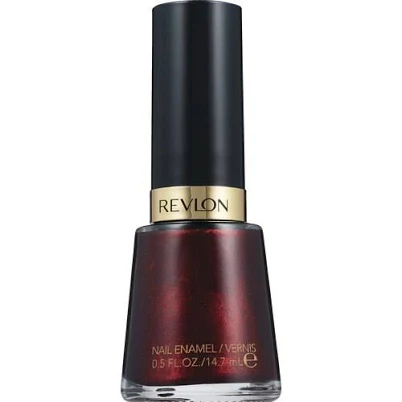
Revlon · Nail Polish & Top Coat
Nail Enamel Revlon
Avoid until Revlon discloses PFAS status; standard nail polish lacks obvious PFAS triggers but sector opacity warrants caution.
Revlon does not publicly disclose PFAS content in nail enamel products. Traditional nail lacquers lack durable coatings that typically concentrate PFAS, though some formulations may contain fluorinated compounds for durability.
The better-graded swap
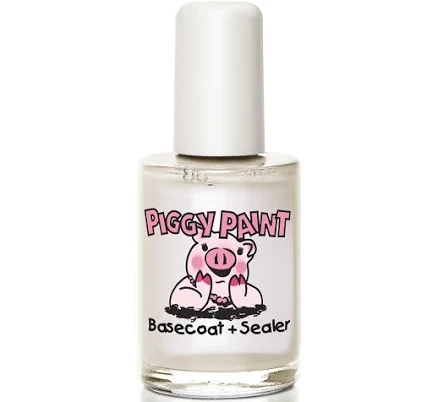
Piggy Paint
Piggy Paint Basecoat & Sealer Nail Polish
100/100 safety
Same rubric that flunked this product. The swap earned Excellent.
Still want this one anyway? Check the price on Amazon. We’d swap it.
Material
Nail lacquer (solvent-based)
Lab data
No public lab test
Is Nail Enamel Revlon non-toxic? What it is made of
Revlon nail enamel is a solvent-based lacquer containing film-forming resins (typically nitrocellulose), plasticizers, and volatile organic compounds (VOCs) that evaporate during application and drying. The primary exposure route is inhalation of these solvents and airborne particles during and immediately after application. Unlike cookware or textiles, nail polish poses minimal systemic toxicity risk during normal use because contact is brief and localized to the nail surface, but the solvent cloud during application is the key safety consideration.
What’s concerning
Category baseline
The starting point for this type of product, before anything specific to this product is counted.
No PFAS disclosure
No public statement from the brand about PFAS in this product.
Volatile Organic Compounds (VOCs) and solvent inhalation
Nail enamel solvents (acetone, ethyl acetate, toluene depending on formulation) are well-documented respiratory irritants. Revlon has not published solvent composition for this specific product, but standard nail lacquers universally contain multiple VOCs that pose acute inhalation risk during application.
Formaldehyde / VOCs
Revlon markets many polishes as '3-free' (excluding DBP, toluene, formaldehyde), but product-specific certifications and testing reports are not publicly available. Without independent verification or a disclosed third-party standard, residual presence of these solvents cannot be ruled out.
Source, ATSDR ↗Lead
Nail polish colorants, particularly in darker and red shades, may contain heavy metal compounds used as pigments. No public testing data for Revlon enamels is available; this is a known issue across the nail polish category, especially in products without disclosed pigment sourcing.
Source, ATSDR ↗Formaldehyde / VOCs
Some nail enamels contain formaldehyde-releasing resin compounds for hardness and durability. Revlon's public ingredient lists do not detail resin chemistry; 'formaldehyde-free' claims on packaging are not independently verified for all product SKUs.
Source, ATSDR ↗PFAS
Revlon's silence on PFAS presence is the primary concern. While nail polish is not an obvious PFAS delivery vehicle like waterproof coatings or textiles, the industry lack of transparency and the established use of fluorinated polymers in some cosmetic lacquers warrants caution pending disclosure.
Source, ATSDR ↗What’s reassuring
Base material not linked to PFAS
The main material recorded for this product is not one associated with PFAS.
The full breakdown
The brand's record and disclosure
Revlon has not publicly disclosed whether its nail enamels contain PFAS or committed to PFAS-free formulation, placing it in the broader category of nail polish manufacturers with limited transparency on this issue. The company has faced recalls and regulatory actions in other personal care categories (e.g., mascara contamination, facility inspections) but no specific nail enamel recalls for chemical hazards are on public record. Revlon does not advertise third-party certifications (such as GREENGUARD or non-toxic labels) for its standard nail polish lines.
How it compares in its category
Revlon nail enamel sits in the mid-market mainstream segment; it is chemically comparable to other conventional 3-free or 5-free polishes (lacking dibutyl phthalate, toluene, formaldehyde) but lacks the transparency and third-party backing of brands like Ella+Mila, Zoya, or Butter London that actively test for PFAS and promote disclosure. Solvent-based lacquers universally carry VOC and inhalation risk; water-based or gel systems present different trade-offs but are not available from Revlon in this product line.
If you buy it
Apply in a well-ventilated space (open window, fan, or nail salon with extraction) to minimize inhalation of solvent fumes. Allow full drying time before touching or coming into contact with skin or water. Do not use on children or pregnant individuals without consulting a healthcare provider, as solvent exposure safety in these populations is less established. Replace the bottle cap immediately after use to minimize solvent evaporation and loss of product integrity, and discard the bottle once it becomes thick or separated.
What we don’t know
- Basis
- Model estimate, 45% confidence, not a lab result
- Lab test
- None on record for this exact product
- Brand statement
- Revlon has made a specific claim
Formulations change between production runs, so check the current label. How we grade.
Better-graded alternatives in Nail Polish & Top Coat
Piggy Paint
Basecoat & Sealer Nail Polish
- Water-based organic pigments and plant-derived resins
- The brand calls it PFAS-free, which we have not verified
- Heavy metals
3 hazards checked on this product. See all of them.
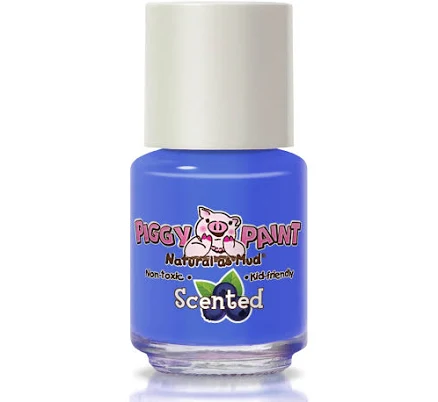
Piggy Paint
Nail Polish Piggy Paint
- water-based pigmented lacquer
- The brand calls it PFAS-free, which we have not verified
- Volatile organic compounds (VOCs) from resins and solvents
3 hazards checked on this product. See all of them.
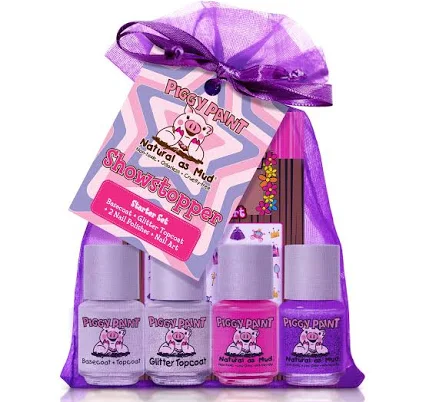
Piggy Paint
Showstopper Nail Polish Set
- organic pigments, plant-based resins, water-based lacquer
- The brand calls it PFAS-free, which we have not verified
- Volatile organic compounds (VOCs)
2 hazards checked on this product. See all of them.
More nail polish & top coat grades
How we score, every product runs through the same public 0-100 rubric based on materials, coatings, brand disclosure, lab findings, and recalls. See the full methodology → Spotted a mistake? Report an error.