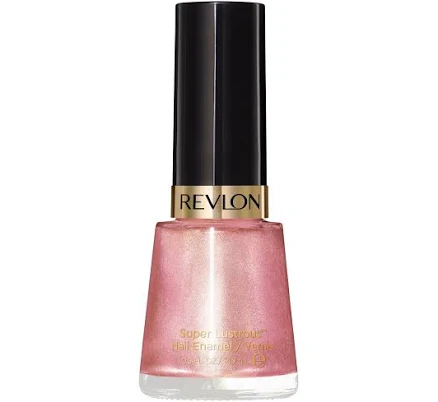
Revlon · Nail Polish & Top Coat
Revlon Nail Enamel Blushing
Lower PFAS concern; standard nail polish has no known PFAS triggers, but brand offers no transparency.
This conventional lacquer lacks documented Teflon-family coating or water-repellent coatings that would introduce PFAS. It relies on standard nitrocellulose and resins without functional drivers for PFAS use, though Revlon provides no public PFAS disclosure.
We flunk more products than we pass. This one earned its grade. How we grade
Material
Nitrocellulose, plasticizers, resins (standard nail lacquer)
Lab data
No public lab test
Is Revlon Nail Enamel Blushing non-toxic? What it is made of
Revlon Nail Enamel Blushing is a nitrocellulose-based lacquer, the industry standard for nail polish. Nitrocellulose provides durability and gloss; plasticizers (typically dibutyl phthalate, or DBP alternatives in reformulated lines) and resins ensure flexibility and adhesion. Nitrocellulose itself is not toxic in cured form on nails, but the solvent exposure during application and the volatile organic compounds (VOCs) released while wet are the primary exposure route. Once dry on the nail, the cured film poses minimal leaching or ingestion risk.
What’s concerning
Category baseline
The starting point for this type of product, before anything specific to this product is counted.
No PFAS disclosure
No public statement from the brand about PFAS in this product.
Volatile organic compounds (VOCs) and solvent exposure
All nitrocellulose nail lacquers release VOCs (primarily acetone, ethyl acetate, toluene) during application and drying. This is the primary inhalation hazard. Revlon does not disclose solvent ratios or air quality guidance, so exposure level depends on ventilation and application duration.
Phthalate plasticizers
Dibutyl phthalate (DBP) was historically common in Revlon formulations. Revlon has not published a commitment to phthalate-free reformulation for all lines, so Blushing may contain DBP or alternatives (e.g., diethyl phthalate). On the nail surface, cured phthalates do not leach; inhalation and dermal absorption during application is the exposure route.
Coating degradation and flaking
All nail polish is prone to chipping and flaking over 1-3 weeks depending on activity and nail health. Ingestion of small flakes from normal wear is not considered a health risk, but peeling coatings may indicate uneven curing or formula instability. Revlon does not publish durability testing or reformulation notes, so longevity varies by application and nail condition.
What’s reassuring
Base material not linked to PFAS
The main material recorded for this product is not one associated with PFAS.
Heavy metals
Nail polish pigments (iron oxides, titanium dioxide, synthetic colorants) are regulated under cosmetic rules, and lead and cadmium in cured nail coatings are not documented as a concern. Revlon does not publish heavy metal testing, so this assessment is based on category norms, not brand-specific data.
Source, FDA ↗Formaldehyde / VOCs
Standard nail lacquers do not require formaldehyde; it is not a typical ingredient in this category. No recalls or reports link Revlon Nail Enamel to formaldehyde. This hazard is low priority for nail polish compared to cosmetics like nail hardeners or glues.
Source, ATSDR ↗The full breakdown
The brand's record and disclosure
Revlon has not publicly committed to full hazard transparency or third-party certification (e.g., no Green Seal, no published safety data sheets for consumers). The brand has faced historical scrutiny over phthalate use but has not issued a blanket reformulation statement for all lines. Revlon's silence on PFAS and limited disclosure on plasticizers and heavy metal pigments means you cannot verify whether this specific shade uses legacy or reformulated chemistry. This is a weakness for informed choice, though it does not confirm the presence of restricted substances.
How it compares in its category
Standard nail polish from major brands (Revlon, OPI, Sally Hansen) all use similar nitrocellulose bases and carry comparable formulation risks. Brands offering certified low-toxicity alternatives (e.g., Ella+Mila, Zoya, Suncoat) publish ingredient lists and third-party testing; Revlon does not. Revlon Blushing is middle-market on transparency and likely middle-market on chemical concern, neither notably better nor worse than other non-certified major brands. If ingredient transparency matters to you, certified alternatives offer more assurance.
If you buy it
Apply in a well-ventilated space or outdoors to minimize inhalation of VOCs and solvents during application and drying (typically 2-3 minutes to touch dry). Do not heat the bottle or expose wet polish to direct heat; this increases volatile release. Once cured, incidental nail-to-mouth contact from the dried enamel poses negligible risk. Replace or remove the polish if the coating chips or peels significantly; do not ingest flakes. Store in a cool, dry place away from children and pets.
What we don’t know
- Basis
- Model estimate, 72% confidence, not a lab result
- Lab test
- None on record for this exact product
- Brand statement
- Revlon has made a specific claim
Formulations change between production runs, so check the current label. How we grade.
Better-graded alternatives in Nail Polish & Top Coat
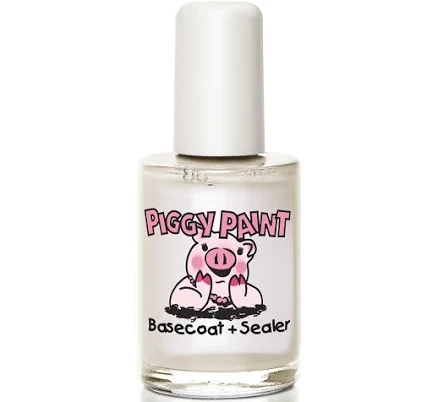
Piggy Paint
Basecoat & Sealer Nail Polish
- Water-based organic pigments and plant-derived resins
- The brand calls it PFAS-free, which we have not verified
- Heavy metals
3 hazards checked on this product. See all of them.
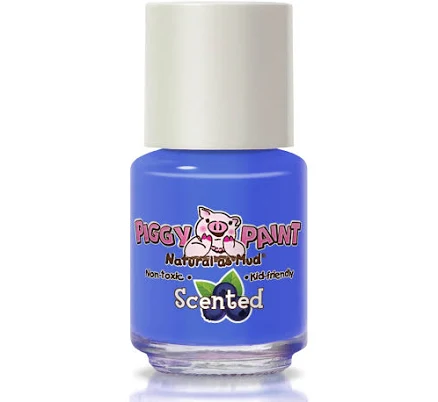
Piggy Paint
Nail Polish Piggy Paint
- water-based pigmented lacquer
- The brand calls it PFAS-free, which we have not verified
- Volatile organic compounds (VOCs) from resins and solvents
3 hazards checked on this product. See all of them.
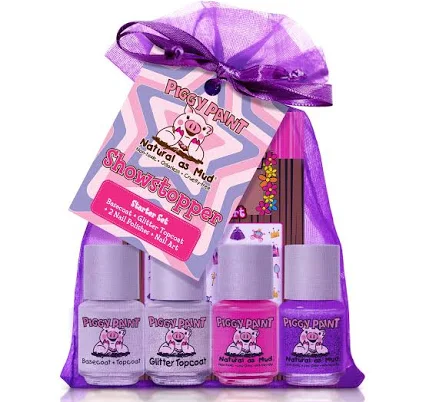
Piggy Paint
Showstopper Nail Polish Set
- organic pigments, plant-based resins, water-based lacquer
- The brand calls it PFAS-free, which we have not verified
- Volatile organic compounds (VOCs)
2 hazards checked on this product. See all of them.
More nail polish & top coat grades
How we score, every product runs through the same public 0-100 rubric based on materials, coatings, brand disclosure, lab findings, and recalls. See the full methodology → Spotted a mistake? Report an error.