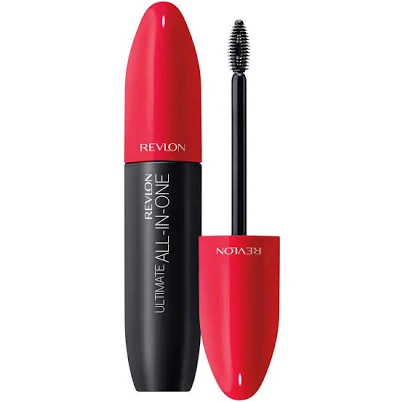
Revlon Ultimate All-in-One Waterproof Mascara
Waterproof mascara; PFAS risk unknown due to coating secrecy.
Mascara formulations often use wax and polymer coatings for waterproofing. Revlon does not disclose coating chemistry or PFAS status; risk profile unclear.
The better-graded swap
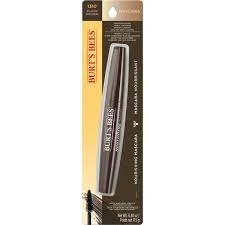
Burt's Bees
Burt's Bees 100% Natural Nourishing Mascara, Black Brown
75/100 safety
Same rubric that flunked this product. The swap earned Excellent.
Still want this one anyway? Check the price on Amazon. We’d swap it.
Material
wax/polymer emulsion base, waterproof film-forming coating (unspecified)
Lab data
No public lab test
You may also be interested in
Top-graded picks in the categories readers replace first, every one scored on the same rubric.

- polypropylene filter housing, carbon/sediment cartridge
- We found no PFAS statement from the brand
- Bacterial growth in spent cartridges
3 hazards checked on this product, all on its full breakdown.

Aquasure
Premier Series 75 GPD Under Sink Reverse Osmosis Water Filtration System
- RO membrane, carbon filters, stainless steel housing
- We found no PFAS statement from the brand
- Bacterial and microbial growth in housing and filters
4 hazards checked on this product, all on its full breakdown.

Avocado
Vegan Mattress
- organic cotton, natural latex, coconut coir, recycled steel coils
- The brand calls it PFAS-free, which we have not verified
- Heavy metals
2 hazards checked on this product, all on its full breakdown.
What Revlon Ultimate All-in-One Mascara is made of, ingredients and materials
Revlon Ultimate All-in-One uses a wax and polymer emulsion base typical of mascaras, with an unspecified waterproof coating applied to the brush fibers and formula. The waterproof mechanism, likely a silicone or acrylate polymer film-former, is not detailed on packaging or Revlon's public materials, which limits transparency about potential contaminants. Wax bases themselves carry minimal inherent toxicity, but the film-forming agent and any pigments used for color are the primary chemical exposure points during daily eye-area application.
What’s concerning
Waterproof / stain-resistant treatment
Water-repellent coating treatments have historically used PFAS.
Category baseline
The starting point for this type of product, before anything specific to this product is counted.
No PFAS disclosure
No public statement from the brand about PFAS in this product.
Formaldehyde / VOCs
Waterproof coatings sometimes incorporate preservative systems or crosslinkers that may release low levels of formaldehyde during use or storage. Revlon does not disclose the specific waterproofing polymer, so formaldehyde-releaser content cannot be ruled out; eye-area contact amplifies risk compared to body cosmetics.
Source, ATSDR ↗Heavy metals
Black mascaras typically use iron oxide or carbon black pigments which, if sourced from uncontrolled suppliers, may contain trace arsenic, lead, or cadmium. Revlon does not publish pigment sourcing or third-party testing; risk is low but present in any mass-market mascara.
Source, FDA ↗Fragrance allergens (undisclosed in 'fragrance' notation)
This product lists 'fragrance' as an ingredient without itemization. Waterproof mascaras sometimes include fragrance compounds to mask solvent odor; limonene, benzyl alcohol, and other common allergens may trigger contact dermatitis or eye irritation in sensitive individuals.
Microparticles or coating shedding into the eye
Waterproof mascara films can degrade, flake, or shed particles over time, particularly near the eye margin. Users have anecdotally reported particulate irritation; this is a mechanical risk inherent to all waterproof mascaras, not unique to Revlon, but replacement every 3 months mitigates it.
What’s reassuring
1,4-dioxane as a byproduct in polyethoxylated ingredients
No specific formulation data available to assess presence of ethoxylated emulsifiers in this product. However, wax-polymer emulsions may contain such ingredients; Revlon provides no 1,4-dioxane testing or exclusion statement.
How is this PFAS grade calculated?
The brand's record and disclosure
Revlon has not published detailed ingredient disclosures or third-party certifications (e.g., EWG Verified, Leaping Bunny) for this product line. The brand maintains silent stance on PFAS use in waterproof cosmetics despite industry-wide scrutiny since 2021. No major recalls specific to this mascara have been documented, but Revlon's parent company has faced litigation over undisclosed chemical exposure in other beauty categories. Lack of proactive transparency on film-formers is consistent across their waterproof cosmetics portfolio.
How it compares in its category
Most waterproof mascaras contain similar wax-polymer blends; Revlon's formula is mainstream, not outlier. However, brands like Physician's Formula and bareMinerals publish more complete ingredient lists and some offer PFOA/PFAS-free claims. Premium alternatives (Sephora Collection, MAC) similarly lack waterproof transparency, so this product occupies a typical middle ground of affordability without premium disclosure. Budget and mass-market mascaras uniformly withhold proprietary waterproofing chemistry.
If you buy it
Replace mascara every 2-3 months to minimize bacterial contamination and degradation of the waterproof coating. Avoid touching the mascara wand to the eye or eyelid if you wear contact lenses or have sensitive eyes; waterproof polymers can irritate mucous membranes if particles enter the eye. Use makeup remover or oil-based cleanser to remove the product fully each night, as incomplete removal can trap bacteria in the eye area. Do not use if you experience redness, itching, or irritation; discontinue and consult an eye care provider.
What is not known about PFAS in this product?
- Basis
- Model estimate, 35% confidence, not a lab result
- Lab test
- None on record for this exact product
- Brand statement
- Revlon has made a specific claim
Formulations change between production runs, so check the current label. How we grade.
What are the PFAS-free alternatives to Revlon Ultimate All-in-One Waterproof Mascara?
- Wax, pigments, natural oils (typical mascara base)
- Fragrance allergens and undisclosed sensitizers
2 hazards checked on this product, all on its full breakdown.
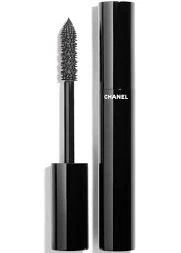
- pigments, waxes, polymers (unspecified)
- Lead
5 hazards checked on this product, all on its full breakdown.
Find an alternative on Amazon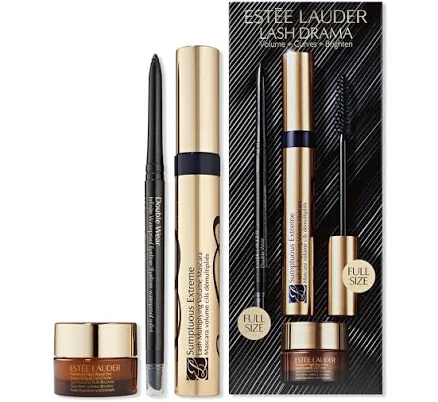
- pigments, waxes, film-formers in liquid mascara
- Heavy metals
5 hazards checked on this product, all on its full breakdown.
Find an alternative on AmazonMore waterproof mascara grades
How we score, every product runs through the same public 0-100 rubric based on materials, coatings, brand disclosure, lab findings, and recalls. See the full methodology → Spotted a mistake? Report an error.