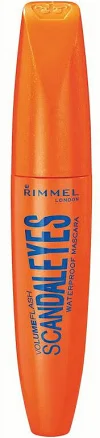
Rimmel Scandaleyes Waterproof Mascara
Waterproof mascara with unknown coating; PFAS risk unclear without ingredient disclosure.
Rimmel does not disclose PFAS status or waterproofing chemistry. Waterproof mascaras often use fluorinated compounds, but this product's specific formula is undisclosed.
The better-graded swap
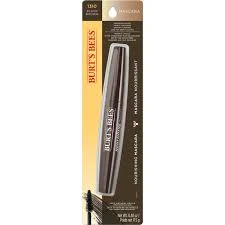
Burt's Bees
Burt's Bees 100% Natural Nourishing Mascara, Black Brown
75/100 safety
Same rubric that flunked this product. The swap earned Excellent.
Still want this one anyway? Check the price on Amazon. We’d swap it.
Material
wax, film-forming polymers, waterproofing agent unspecified
Brand disclosure
Brand is silent on PFAS
Lab data
No public lab test
You may also be interested in
Top-graded picks in the categories readers replace first, every one scored on the same rubric.

- polypropylene filter housing, carbon/sediment cartridge
- We found no PFAS statement from the brand
- Bacterial growth in spent cartridges
3 hazards checked on this product, all on its full breakdown.

Aquasure
Premier Series 75 GPD Under Sink Reverse Osmosis Water Filtration System
- RO membrane, carbon filters, stainless steel housing
- We found no PFAS statement from the brand
- Bacterial and microbial growth in housing and filters
4 hazards checked on this product, all on its full breakdown.

Avocado
Vegan Mattress
- organic cotton, natural latex, coconut coir, recycled steel coils
- The brand calls it PFAS-free, which we have not verified
- Heavy metals
2 hazards checked on this product, all on its full breakdown.
What Rimmel Scandaleyes Waterproof Mascara is made of, ingredients and materials
Rimmel Scandaleyes Waterproof Mascara is a wax-based formula with film-forming polymers to build lashes and an unspecified waterproofing agent. The waterproofing mechanism is the key unknown, traditional mascaras use wax alone, but waterproof versions often rely on synthetic polymers or silicone-based coatings that form a moisture barrier. Without Rimmel's public disclosure of the waterproofing agent, the chemical profile and potential irritants or allergens remain opaque.
What’s concerning
Waterproof / stain-resistant treatment
Water-repellent coating treatments have historically used PFAS.
Category baseline
The starting point for this type of product, before anything specific to this product is counted.
No PFAS disclosure
No public statement from the brand about PFAS in this product.
Formaldehyde / VOCs
Wax and film-forming polymers in mascaras sometimes include preservatives that release formaldehyde; Rimmel has not disclosed preservative system. Risk is typical for this product class but not confirmed in this formula.
Source, ATSDR ↗Fragrance allergens and unlisted irritants
Mascara formulas often contain fragrance compounds listed only as 'fragrance' under cosmetic regulations. Waterproof versions may use additional chemical boosters not itemized, increasing contact sensitization risk, especially near the eye.
PFAS
The waterproofing agent is not named on the label or in public Rimmel documentation. Waterproof cosmetics frequently use fluorinated compounds or PFAS-containing polymers to achieve water resistance; this product's PFAS risk cannot be ruled out and brand silence on this hazard is significant.
Source, ATSDR ↗What’s reassuring
Heavy metals
No specific recalls or public testing of Rimmel Scandaleyes for lead, cadmium, or other heavy metals in the colorant system have been documented. Standard testing by health agencies has not flagged this product; however, pigment sourcing is not independently verified.
Source, FDA ↗Talc contamination
Rimmel Scandaleyes does not list talc as an ingredient, so talc-related contamination risk (including asbestos) is not applicable to this product.
How is this PFAS grade calculated?
The brand's record and disclosure
Rimmel (owned by Coty Inc.) does not maintain publicly visible ingredient transparency or PFAS reduction commitments on this product line. The brand has not published PFAS testing results or reformulation pledges as of available records. This silence is relevant because waterproof cosmetics are among the product types most likely to contain PFAS "forever chemicals" (PFAS) due to their water-repellent function, yet Rimmel has not addressed this risk category.
How it compares in its category
Most conventional waterproof mascaras use similar wax and polymer systems; Rimmel's is mid-market and not notably different from drugstore competitors in transparency. Brands such as Clinique and MAC publish full ingredient lists and some have committed to PFAS phase-out. Rimmel's lack of disclosure places it below the standard set by premium and committed-sustainability brands in the same price tier.
If you buy it
Remove with dedicated makeup remover or oil-based cleanser; water alone will not dissolve waterproof mascara and harsh rubbing can damage lashes. Replace every 3 months to avoid bacterial contamination and clumping. Discontinue use if you experience eye irritation, redness, or contact sensitivity; waterproof formulas can trap bacteria if the brush is contaminated. Avoid applying near the waterline if you have sensitive eyes, as the waterproofing agent contact time increases irritant exposure risk.
What is not known about PFAS in this product?
- Basis
- Model estimate, 40% confidence, not a lab result
- Lab test
- None on record for this exact product
- Brand statement
- Rimmel has made none
Formulations change between production runs, so check the current label. How we grade.
What are the PFAS-free alternatives to Rimmel Scandaleyes Waterproof Mascara?
- Wax, pigments, natural oils (typical mascara base)
- Fragrance allergens and undisclosed sensitizers
2 hazards checked on this product, all on its full breakdown.
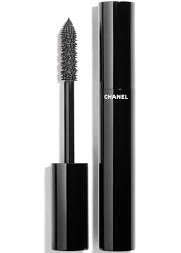
- pigments, waxes, polymers (unspecified)
- Lead
5 hazards checked on this product, all on its full breakdown.
Find an alternative on Amazon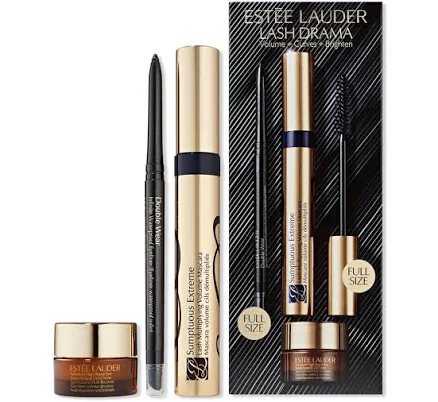
- pigments, waxes, film-formers in liquid mascara
- Heavy metals
5 hazards checked on this product, all on its full breakdown.
Find an alternative on AmazonMore waterproof mascara grades
How we score, every product runs through the same public 0-100 rubric based on materials, coatings, brand disclosure, lab findings, and recalls. See the full methodology → Spotted a mistake? Report an error.