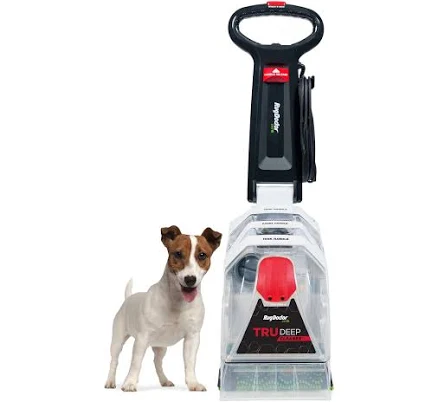
Rug Doctor Pet TruDeep Cleaner
Limited PFAS risk as cleaning machine, but brand discloses nothing.
This is a carpet cleaning appliance with motor, hoses, and plastic tank. No evidence of fluorinated coatings, but Rug Doctor provides no PFAS transparency documentation.
We flunk more products than we pass. This one earned its grade. How we grade
Material
Carpet cleaning machine, plastic/metal/motor components
Brand disclosure
Brand is silent on PFAS
Lab data
No public lab test
You may also be interested in
Top-graded picks in the categories readers replace first, every one scored on the same rubric.

- polypropylene filter housing, carbon/sediment cartridge
- We found no PFAS statement from the brand
- Bacterial growth in spent cartridges
3 hazards checked on this product, all on its full breakdown.

Aquasure
Premier Series 75 GPD Under Sink Reverse Osmosis Water Filtration System
- RO membrane, carbon filters, stainless steel housing
- We found no PFAS statement from the brand
- Bacterial and microbial growth in housing and filters
4 hazards checked on this product, all on its full breakdown.

Avocado
Vegan Mattress
- organic cotton, natural latex, coconut coir, recycled steel coils
- The brand calls it PFAS-free, which we have not verified
- Heavy metals
2 hazards checked on this product, all on its full breakdown.
What Rug Doctor Pet TruDeep Cleaner is made of, ingredients and materials
The Rug Doctor Pet TruDeep is a motorized carpet cleaning machine composed primarily of plastic housing, metal frame/motor components, and internal pump/hose systems. The plastic components are structural and not in direct food contact, reducing leaching risk from BPA or phthalates. The main exposure pathway is secondary, cleaning solution residue left on treated carpets and inhalation of motor/motor-driven spray mist, not the machine's material composition itself.
What’s concerning
Category baseline
The starting point for this type of product, before anything specific to this product is counted.
No PFAS disclosure
No public statement from the brand about PFAS in this product.
Bacterial and mold growth in water systems
Motorized carpet cleaners retain standing water in tanks and hose systems if not emptied and dried promptly. Warm, moist plastic reservoirs are conducive to microbial colonization, which can release endotoxins into spray mist or be reintroduced to carpets; risk is user-maintenance dependent.
Motor emissions and particulate inhalation
Electric motors generate minor dust/particulate and can emit trace ozone or nitrogen oxides in rare fault conditions. Inhalation risk is minimal in well-ventilated spaces but may be relevant for users with asthma or chemical sensitivity, particularly if motor air intake is clogged.
Plasticizer migration from hose or seal degradation
Over time, plastic hoses and tank seals may degrade, especially if exposed to heat, alkaline cleaning solutions, or UV light during storage. Degradation can introduce trace plasticizers or microplastics into cleaning solution; risk increases with age and improper storage.
What’s reassuring
Base material not linked to PFAS
The main material recorded for this product is not one associated with PFAS.
Volatile organic compounds (VOCs) from plastic off-gassing
No documented off-gassing incidents or testing results for the Rug Doctor Pet TruDeep housing. Plastic components are not heated during operation, minimizing VOC release; risk is lower than for heated appliances like dishwashers or dryers.
Heavy metals
No testing or disclosure available on copper windings, solder, or other electronic materials in the motor assembly. Standard consumer appliances contain trace copper and lead solder but do not pose inhalation or ingestion risk unless components are damaged or dismantled.
Source, FDA ↗How is this PFAS grade calculated?
The brand's record and disclosure
Rug Doctor is a subsidiary of Rug Doctor LLC (owned by Toolbox Capital Partners as of recent ownership changes) and has no published material safety data sheets, chemical disclosures, or third-party certifications (e.g., UL, NSF) for the machine itself on the product page. The brand does not explicitly disclose cleaning solution formulations or heavy metal/flame retardant testing. No major product recalls or safety controversies are on record for this specific model.
How it compares in its category
Carpet cleaning machines are categorized as durable goods, not chemical products, so they face less regulatory scrutiny than the cleaning solutions they dispense. The Pet TruDeep sits in the consumer rental/purchase market alongside Bissell, Hoover, and Rug Doctor's own alternatives; it performs identically in terms of mechanical safety. The primary differentiation is cleaning solution quality and residue profile, which is the buyer's choice, not the machine's.
If you buy it
Ensure the machine is fully rinsed and dried after each use to prevent bacterial or mold growth in hoses and tanks. Use only manufacturer-approved or third-party tested cleaning solutions; avoid overloading the detergent tank or mixing solutions, as residue buildup can degrade plastic seals over time. Replace hoses if cracks appear, and keep the motor intake filter clean to avoid inhaling dust or mold spores. Store in a dry environment to prevent rust on metal components and plastic brittleness.
What is not known about PFAS in this product?
- Basis
- Model estimate, 45% confidence, not a lab result
- Lab test
- None on record for this exact product
- Brand statement
- Rug Doctor has made none
Formulations change between production runs, so check the current label. How we grade.
More carpets & rugs grades
How we score, every product runs through the same public 0-100 rubric based on materials, coatings, brand disclosure, lab findings, and recalls. See the full methodology → Spotted a mistake? Report an error.