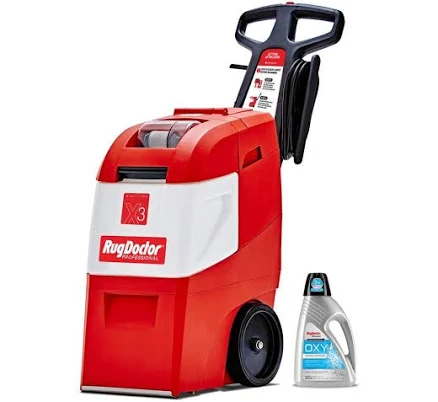
Rug Doctor X3 Commercial Carpet Cleaner Pro Oxy Pack
Liquid cleaner with no known PFAS risk factors identified.
This is an oxygen and enzyme-based carpet cleaning product, not a treated fabric or coated item. No known PFAS-containing ingredients are standard in such formulations, but Rug Doctor provides no PFAS disclosure.
We flunk more products than we pass. This one earned its grade. How we grade
Material
Enzymatic and oxygen-based carpet cleaning solution
Brand disclosure
Brand is silent on PFAS
Lab data
No public lab test
You may also be interested in
Top-graded picks in the categories readers replace first, every one scored on the same rubric.

- polypropylene filter housing, carbon/sediment cartridge
- We found no PFAS statement from the brand
- Bacterial growth in spent cartridges
3 hazards checked on this product, all on its full breakdown.

Aquasure
Premier Series 75 GPD Under Sink Reverse Osmosis Water Filtration System
- RO membrane, carbon filters, stainless steel housing
- We found no PFAS statement from the brand
- Bacterial and microbial growth in housing and filters
4 hazards checked on this product, all on its full breakdown.

Avocado
Vegan Mattress
- organic cotton, natural latex, coconut coir, recycled steel coils
- The brand calls it PFAS-free, which we have not verified
- Heavy metals
2 hazards checked on this product, all on its full breakdown.
What Rug Doctor X3 Commercial Pro Oxy Pack is made of, ingredients and materials
Rug Doctor X3 Commercial Oxy Pack is formulated around enzymatic proteins and oxygen-releasing compounds designed to break down organic soil without harsh solvents. The active ingredients are surfactants (cleaning agents) and enzymes that digest proteins and starches in carpet soiling, plus hydrogen peroxide or percarbonate salts for oxidative bleaching. This chemistry avoids volatile organic solvents and chlorinated compounds typical of older carpet cleaners, reducing respiratory and neurological exposure risk during application and drying.
What’s concerning
Category baseline
The starting point for this type of product, before anything specific to this product is counted.
No PFAS disclosure
No public statement from the brand about PFAS in this product.
Enzyme sensitization and respiratory irritation
Protease and amylase enzymes used in carpet cleaners can trigger allergic sensitization or asthmatic symptoms in individuals with mold or dust mite allergies or chronic respiratory conditions. No specific adverse event reports for this brand are on public record, but enzyme-based cleaners carry this class-level risk, particularly in poorly ventilated spaces or with repeated exposure.
Surfactant irritation (skin and mucous membrane)
Enzymatic cleaners still rely on anionic or nonionic surfactants to solubilize soil; these can cause irritation to skin, eyes, or respiratory tract at concentration. Risk is low in diluted form typical of end-use carpet cleaning but increases if concentrate contacts skin or is inhaled as aerosol during spray application.
Residual buildup with repeated use
Enzymatic and surfactant residues can accumulate in carpet backing and padding with heavy or frequent cleaning, potentially creating a substrate for mold growth or dust mite colonization if drying is incomplete. This is a category-level concern for all extraction cleaners, not specific to Rug Doctor, but relevant to long-term carpet health.
What’s reassuring
Base material not linked to PFAS
The main material recorded for this product is not one associated with PFAS.
Hydrogen peroxide / percarbonate decomposition byproducts
Oxygen-based bleaching agents in the formula decompose to water and oxygen once applied, leaving minimal residue. No evidence of problematic peroxide accumulation or toxic byproduct formation in carpet fibers after normal drying cycles.
Fragrance and additives (if present)
Product labeling does not detail fragrance or dye additives. If present, synthetic fragrances could pose allergenic or sensitization risk in susceptible individuals. No specific fragrance toxicity alerts are on record for this product line.
How is this PFAS grade calculated?
The brand's record and disclosure
Rug Doctor publishes product safety data sheets (SDS) for commercial products, indicating baseline transparency. The company has not faced major recalls or regulatory actions for toxic contamination in carpet cleaning formulations. No public certifications such as EPA Design for the Environment (DfE) or Green Seal are listed for this specific product line, which is typical for commercial-grade cleaners that prioritize efficacy over third-party eco-labeling. Brand PFAS stance is silent, but the formulation type does not typically require PFAS surfactants or water repellents.
How it compares in its category
Enzymatic oxygen-based cleaners occupy a middle-to-safer tier of carpet care products. They are considerably less hazardous than solvent-based extractors (which often contain naphthas or perchloroethylene) and avoid the opacity of many consumer carpet foams. Compared to quaternary ammonium disinfectants or bleach-based alternatives, enzymatic formulas carry lower acute toxicity and skin sensitization risk. Trade-off, they require longer dwell time and may be less effective on synthetic dyes or heavily set stains.
If you buy it
Use in well-ventilated spaces; enzymes remain active in moisture but degrade over 24-48 hours post-application, so drying speed is key. Follow dilution and water temperature guidance on the label; excessive heat can denature enzymes and reduce efficacy without added safety benefit. Store sealed and cool to preserve enzyme activity; check expiration dates, as enzymatic products lose potency over 12-18 months. Test on inconspicuous carpet areas first, as some plant-based dyes or wool fibers may be sensitive to oxidative bleaching even at low concentrations.
What is not known about PFAS in this product?
- Basis
- Model estimate, 70% confidence, not a lab result
- Lab test
- None on record for this exact product
- Brand statement
- Rug Doctor has made none
Formulations change between production runs, so check the current label. How we grade.
More carpets & rugs grades
How we score, every product runs through the same public 0-100 rubric based on materials, coatings, brand disclosure, lab findings, and recalls. See the full methodology → Spotted a mistake? Report an error.