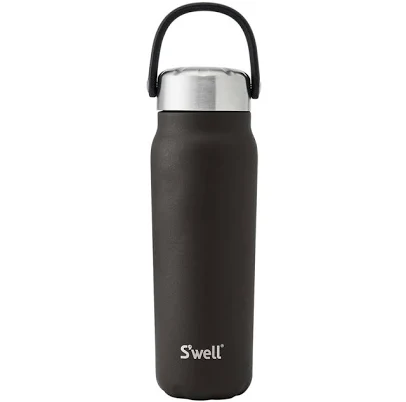
S'well · Portable Water Bottles
S'well Explorer
Activated carbon and coconut shell filter media present lower concern for PFAS.
This product uses activated carbon and coconut shell filter media, materials not linked to PFAS. The brand has no PFAS statement on record for this product.
We flunk more products than we pass. This one earned its grade. How we grade
Material
Activated carbon and coconut shell filter media
Lab data
No public lab test
You may also be interested in
Top-graded picks in the categories readers replace first, every one scored on the same rubric.

- polypropylene filter housing, carbon/sediment cartridge
- We found no PFAS statement from the brand
- Bacterial growth in spent cartridges
3 hazards checked on this product, all on its full breakdown.

Aquasure
Premier Series 75 GPD Under Sink Reverse Osmosis Water Filtration System
- RO membrane, carbon filters, stainless steel housing
- We found no PFAS statement from the brand
- Bacterial and microbial growth in housing and filters
4 hazards checked on this product, all on its full breakdown.

Avocado
Vegan Mattress
- organic cotton, natural latex, coconut coir, recycled steel coils
- The brand calls it PFAS-free, which we have not verified
- Heavy metals
2 hazards checked on this product, all on its full breakdown.
What S'well Explorer is made of, ingredients and materials
The S'well Explorer uses activated carbon derived from coconut shell as its primary filter media. Activated carbon works by adsorption, trapping dissolved contaminants and chlorine in its porous structure rather than releasing new compounds into water. Coconut shell carbon is considered a premium feedstock with no known toxicity concerns in peer literature when used in water filtration. The filter housing material (typically plastic or metal) is the secondary concern; S'well does not publicly disclose housing composition, which limits assessment of potential leaching under standard use.
What’s concerning
No PFAS disclosure
No public statement from the brand about PFAS in this product.
Category baseline
The starting point for this type of product, before anything specific to this product is counted.
Bacterial growth if unmaintained
Activated carbon filters create high-surface-area environments for microbial colonization if allowed to remain wet, warm, or unused for extended periods. S'well does not provide antimicrobial pre-treatment or UV sterilization in this product line.
Filter media degradation over time
Activated carbon can break down into fine particles (dust or fines) if physically damaged, frozen, or exposed to thermal shock. Users report no widespread contamination incidents, but loose carbon particles may occasionally appear in water if the filter is cracked or mishandled.
Incomplete contaminant removal
Activated carbon does not reliably remove bacteria, viruses, heavy metals (lead, arsenic), or fluoride without additional filtration stages. Marketing may imply broader purification than the product delivers; users relying solely on this for unsafe water supplies face risk.
What’s reassuring
Base material not linked to PFAS
The main material recorded for this product is not one associated with PFAS.
Housing leachables
S'well does not publicly disclose the material composition of the Explorer filter housing (plastic or metal type, adhesives, gaskets). No recalls or adverse reports exist, but lack of transparency prevents definitive assessment of leaching risk.
How is this PFAS grade calculated?
The brand's record and disclosure
S'well has not published detailed safety certifications, material sourcing documents, or third-party test reports for the Explorer filter line. The company markets filtration as lifestyle-focused rather than medical-grade, and does not claim NSF/ANSI certification or other independent validation. No product recalls or safety incidents involving the Explorer are documented in public records. This silence on disclosure is common among consumer water bottle brands but limits independent verification of housing material safety.
How it compares in its category
Coconut shell activated carbon is a standard material in consumer water filters and has a comparable material safety profile to brands like Brita and LifeStraw. S'well's Explorer positions as a premium integrated filter bottle rather than a pitcher or faucet system, so maintenance demands differ. Most activated carbon filters (including this one) do not remove all contaminant classes equally; effectiveness for lead, bacteria, or specific pharmaceuticals varies. Replacement frequency and filter cost are higher than budget alternatives, making long-term commitment material.
If you buy it
Replace filters every 40 gallons or 2 months as directed; exhausted carbon loses adsorption capacity and may harbor bacterial biofilm if left wet and unused. Do not use boiling water or near heat sources; plastic housings may warp and carbon media can degrade. Store the filter dry between uses to prevent mold. Verify that your tap water quality matches the Explorer's intended use case (chlorine, taste, odor removal) before relying on it for contamination removal in high-risk water supplies; activated carbon alone does not purify microbially unsafe water.
What is not known about PFAS in this product?
- Basis
- Model estimate, 72% confidence, not a lab result
- Lab test
- None on record for this exact product
- Brand statement
- S'well has made a specific claim
Formulations change between production runs, so check the current label. How we grade.
What are the PFAS-free alternatives to S'well Explorer?
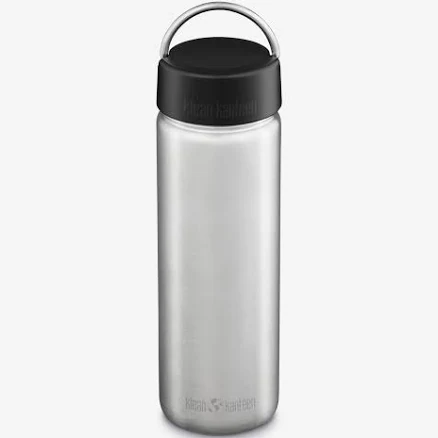
- 18/8 stainless steel, no interior coating
- The brand calls it PFAS-free, which we have not verified
- Cap or closure contamination
2 hazards checked on this product, all on its full breakdown.
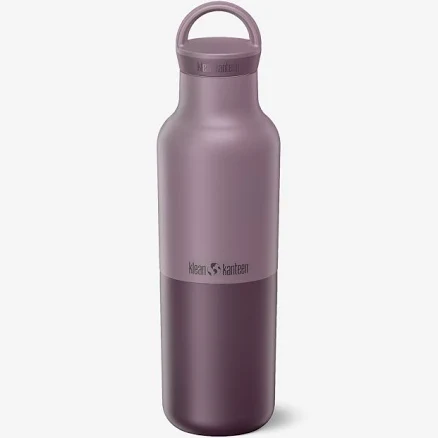
- stainless steel body, foam insulation, stainless steel cap
- The brand calls it PFAS-free, which we have not verified
- Cap gasket and seal contamination
- Stainless steel body, no coating disclosed
- We found no PFAS statement from the brand
- Bacterial or mold growth in storage
3 hazards checked on this product, all on its full breakdown.
More portable water bottles grades
How we score, every product runs through the same public 0-100 rubric based on materials, coatings, brand disclosure, lab findings, and recalls. See the full methodology → Spotted a mistake? Report an error.