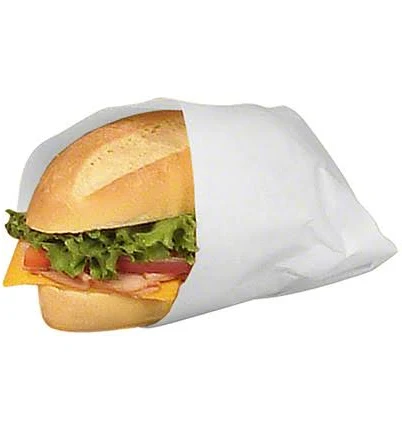
Bagcraft Papercon · Grease-Resistant Butcher & Deli Paper
Bagcraft Grease-Resistant Paper Wraps and Liners 12 x 12
Avoid. Grease-resistant coating source unknown, likely PFAS.
Bagcraft's grease-resistant wrap uses a waterproof coating that remains unidentified. No PFAS information or testing data is public, raising concern for frequent use.
The better-graded swap
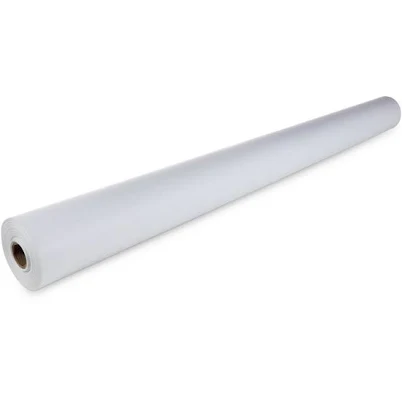
IDL Packaging
Idl Packaging White Butcher Paper 18" x 12000" Natural Butcher Paper Roll for Meat and Fish
95/100 safety
Same rubric that flunked this product. The swap earned Excellent.
Still want this one anyway? Check the price on Amazon. We’d swap it.
Material
paper with grease-resistant coating, type unspecified
Brand disclosure
Brand is silent on PFAS
Lab data
No public lab test
You may also be interested in
Top-graded picks in the categories readers replace first, every one scored on the same rubric.

- polypropylene filter housing, carbon/sediment cartridge
- We found no PFAS statement from the brand
- Bacterial growth in spent cartridges
3 hazards checked on this product, all on its full breakdown.

Aquasure
Premier Series 75 GPD Under Sink Reverse Osmosis Water Filtration System
- RO membrane, carbon filters, stainless steel housing
- We found no PFAS statement from the brand
- Bacterial and microbial growth in housing and filters
4 hazards checked on this product, all on its full breakdown.

Avocado
Vegan Mattress
- organic cotton, natural latex, coconut coir, recycled steel coils
- The brand calls it PFAS-free, which we have not verified
- Heavy metals
2 hazards checked on this product, all on its full breakdown.
What Bagcraft Grease-Resistant Paper Liners is made of, ingredients and materials
Bagcraft Safeseal wraps are paper substrate with an undisclosed grease-resistant coating. Grease-resistant food packaging coatings are traditionally formulated with fluorinated compounds (PFAS-class chemicals) to repel oils and moisture, though some modern alternatives use silicones or wax blends. The coating identity is not publicly stated by Safeseal, which is a critical gap because the chemical class determines migration risk into food and environmental persistence.
What’s concerning
Category baseline
The starting point for this type of product, before anything specific to this product is counted.
Vague safety claims only
Uses vague language ("eco-friendly", "clean") without a specific PFAS statement.
Waterproof / stain-resistant treatment
Water-repellent coating treatments have historically used PFAS.
Coating microparticle or leachate migration into food
Undisclosed grease-resistant coatings can shed particles or release monomers under heat, moisture, or mechanical stress. Without chemical identity, migration risk cannot be quantified. Acidic foods (citrus, vinegar) and high heat accelerate degradation.
Incomplete or degraded barrier function
Over time or with heat exposure, grease-resistant coatings lose effectiveness, allowing oil to soak through and exposing underlying paper to bacterial growth if wraps are reused or stored damp. Degradation is invisible to consumers.
What’s reassuring
Ink or adhesive residues on wrap surface
No specific contamination data published for Safeseal wraps. Standard food-contact paper products are regulated for ink migration, but verification requires product-level testing or certification not publicly available from this brand.
Chlorine bleach residues or chlorine compounds in paper pulp
Most food-grade papers use oxygen or ECF (elementally chlorine-free) bleaching, but Safeseal does not disclose pulping method. No recalls or alerts for this product exist on record.
Formaldehyde / VOCs
Paper products may contain formaldehyde-based sizing; food-contact grades typically avoid this, but lack of certification from Safeseal leaves this unconfirmed.
Source, ATSDR ↗How is this PFAS grade calculated?
The brand's record and disclosure
Safeseal (Bagcraft subsidiary) has no public statement about coating chemistry, PFAS use, or third-party testing on this product line. The brand offers no certification (e.g., FDA, NSF, Cradle-to-Cradle) for chemical composition transparency. Silent stance on a category known for PFAS application suggests either undisclosed fluorinated treatment or unwillingness to confirm alternatives, neither of which supports consumer confidence.
How it compares in its category
Most commercial grease-resistant food wraps historically use PFOA or GenX-class PFAS coatings, though a growing segment now markets fluorine-free alternatives (silicone, bio-wax, or polyester-based). Competitors like Kraft paper suppliers increasingly disclose coating type or pursue PFAS-free certification. Safeseal's silence places it below peers who volunteer this information, raising justified suspicion.
If you buy it
Avoid direct contact between coating and acidic, fatty, or hot foods (coatings can degrade and release particles). Store away from heat and UV to prevent polymer breakdown. Replace wraps if coating visibly degrades or becomes sticky. Better practice, use disclosed PFAS-free alternatives or uncoated parchment paper for short-term wrapping, or request your supplier confirm coating chemistry in writing.
What is not known about PFAS in this product?
- Basis
- Model estimate, 35% confidence, not a lab result
- Lab test
- None on record for this exact product
- Brand statement
- Bagcraft Papercon has made none
Formulations change between production runs, so check the current label. How we grade.
What are the PFAS-free alternatives to Bagcraft Grease-Resistant Paper Wraps and Liners 12 x 12?
IDL Packaging
White Butcher Paper 18" x 12000" Natural Butcher Paper Roll for Meat and Fish
- unbleached natural kraft paper
- The brand calls it PFAS-free, which we have not verified
- Mold or microbial growth
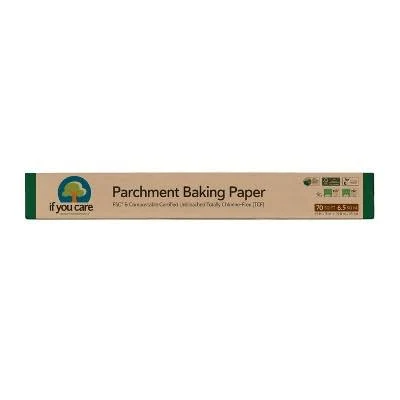
- unbleached parchment paper, silicone coating
- The brand calls it PFAS-free, which we have not verified
- Silicone coating degradation under heat stress
2 hazards checked on this product, all on its full breakdown.
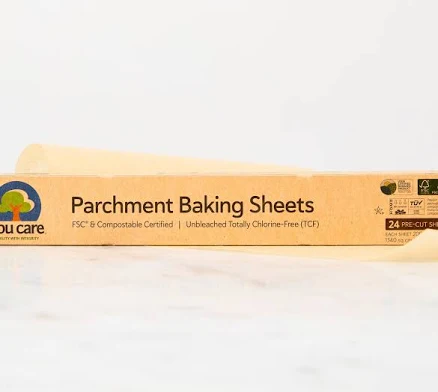
- Silicone-coated parchment paper
- The brand calls it PFAS-free, which we have not verified
- Silicone coating degradation at high heat
More grease-resistant butcher & deli paper grades
How we score, every product runs through the same public 0-100 rubric based on materials, coatings, brand disclosure, lab findings, and recalls. See the full methodology → Spotted a mistake? Report an error.