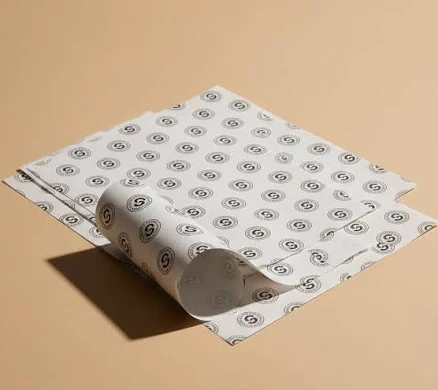
· Grease-Resistant Butcher & Deli Paper
Grease Resistant Food Safe Moisture Proof Paper
Avoid until the brand reveals its coating composition.
Grease-resistant and moisture-proof food paper uses fluorochemical coatings in most cases. The brand has not disclosed coating composition or PFAS status.
The better-graded swap
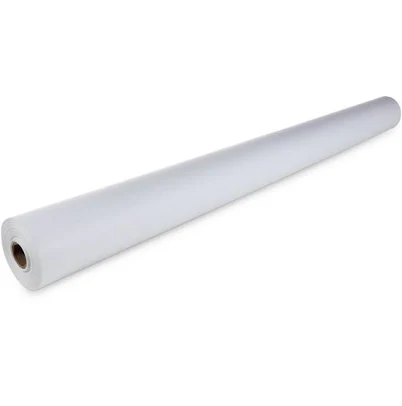
IDL Packaging
Idl Packaging White Butcher Paper 18" x 12000" Natural Butcher Paper Roll for Meat and Fish
95/100 safety
Same rubric that flunked this product. The swap earned Excellent.
Still want this one anyway? Check the price on Amazon. We’d swap it.
Material
Paper with unspecified grease-resistant coating
Brand disclosure
Brand is silent on PFAS
Lab data
No public lab test
You may also be interested in
Top-graded picks in the categories readers replace first, every one scored on the same rubric.

- polypropylene filter housing, carbon/sediment cartridge
- We found no PFAS statement from the brand
- Bacterial growth in spent cartridges
3 hazards checked on this product, all on its full breakdown.

Aquasure
Premier Series 75 GPD Under Sink Reverse Osmosis Water Filtration System
- RO membrane, carbon filters, stainless steel housing
- We found no PFAS statement from the brand
- Bacterial and microbial growth in housing and filters
4 hazards checked on this product, all on its full breakdown.

Avocado
Vegan Mattress
- organic cotton, natural latex, coconut coir, recycled steel coils
- The brand calls it PFAS-free, which we have not verified
- Heavy metals
2 hazards checked on this product, all on its full breakdown.
What Grease Resistant Food Safe Proof Paper is made of, ingredients and materials
The brand's product is paper substrate with an unspecified grease-resistant coating. The coating is the critical unknown, grease-resistant food contact papers historically used either PFOA/PFAS compounds or fluorine-free alternatives (silicone, wax blends, or polyethylene). Without disclosure, you cannot rule out legacy PFAS formulations. Paper itself is stable, but the coating determines safety in contact with fats and heat.
What’s concerning
Category baseline
The starting point for this type of product, before anything specific to this product is counted.
Vague safety claims only
Uses vague language ("eco-friendly", "clean") without a specific PFAS statement.
Waterproof / stain-resistant treatment
Water-repellent coating treatments have historically used PFAS.
PFAS
Grease-resistant coatings historically relied on PFOA/PFAS; The brand has not disclosed whether formulation is PFAS-free or legacy. Migration into fatty foods is the primary exposure route, especially with heat or prolonged contact.
Source, ATSDR ↗Coating migration and leaching (unspecified polymer)
Unknown coating chemistry means unknown leachate profile. Non-PFAS grease barriers (e.g., polyethylene, silicone) generally have low migration risk, but without ingredient disclosure, degradation products cannot be assessed.
Thermal instability of coating
Food-contact paper coatings degrade at temperatures above 120-150C depending on type. The brand provides no heat-limit guidance; use beyond manufacturer specs risks coating breakdown and particle shedding into food.
Microparticulate shedding from worn coating
If coating is applied inconsistently or degrades over time, paper fibers and coating fragments may transfer to food. This risk increases with moisture, heat, or physical wear (folding, high-friction contact).
What’s reassuring
Ink or adhesive contaminants on exterior
No recalls or reports of heavy metals in printing inks or adhesives for this brand. However, standard practice is to avoid contact between food and printed side of any paper product.
How is this PFAS grade calculated?
The brand's record and disclosure
The brand has not publicly disclosed coating chemistry, certifications (FDA, EU), or PFAS status. No major recalls or safety alerts are on record for this product line, but silence on formulation is a red flag in a category where manufacturers marketing as 'food safe' typically provide material safety data sheets. The lack of third-party certification (e.g., Cradle-to-Cradle, NSF) or transparency suggests limited testing or reluctance to share results.
How it compares in its category
Many mainstream grease-resistant food papers (Bagcraft Papercon, Ahlstrom) now disclose fluorine-free or PFAS-free coatings. Some certified organic food service papers use only wax or silicone barriers. The brand's unnamed coating puts it behind transparent competitors in the safety hierarchy. Budget papers without disclosure are the highest-risk segment of this category.
If you buy it
Do not use for hot, fatty foods (baked goods with oil, fried items, or microwaving). Restrict to room-temperature dry or low-moisture foods. Store in cool, dry conditions away from sunlight to prevent coating degradation. Before bulk purchase, contact directly requesting coating Safety Data Sheet and FDA compliance letter. Replace immediately if paper yellows, becomes translucent, or develops odor, indicating coating breakdown.
What is not known about PFAS in this product?
- Basis
- Model estimate, 35% confidence, not a lab result
- Lab test
- None on record for this exact product
- Brand statement
- has made none
Formulations change between production runs, so check the current label. How we grade.
What are the PFAS-free alternatives to Grease Resistant Food Safe Moisture Proof Paper?
IDL Packaging
White Butcher Paper 18" x 12000" Natural Butcher Paper Roll for Meat and Fish
- unbleached natural kraft paper
- The brand calls it PFAS-free, which we have not verified
- Mold or microbial growth
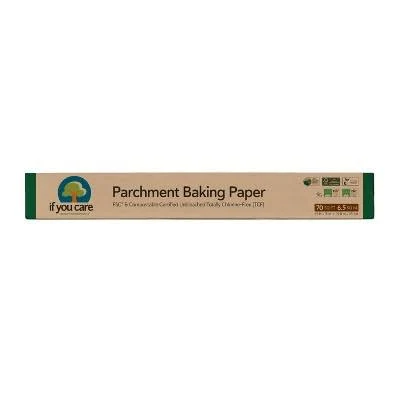
- unbleached parchment paper, silicone coating
- The brand calls it PFAS-free, which we have not verified
- Silicone coating degradation under heat stress
2 hazards checked on this product, all on its full breakdown.
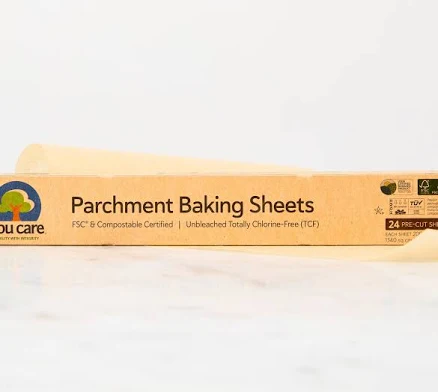
- Silicone-coated parchment paper
- The brand calls it PFAS-free, which we have not verified
- Silicone coating degradation at high heat
More grease-resistant butcher & deli paper grades
How we score, every product runs through the same public 0-100 rubric based on materials, coatings, brand disclosure, lab findings, and recalls. See the full methodology → Spotted a mistake? Report an error.