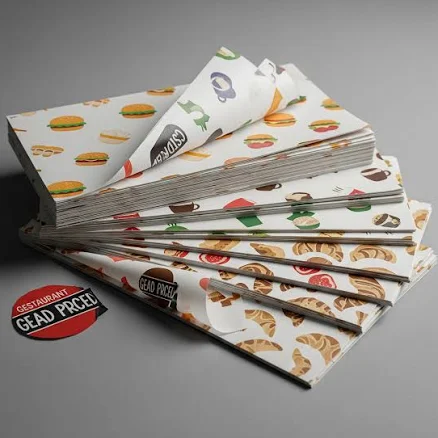
· Grease-Resistant Butcher & Deli Paper
Greaseproof Custom Food Safe Packaging Sheets
Avoid. Greaseproof coatings commonly contain PFAS without disclosure.
Greaseproof coatings on food packaging typically rely on fluorinated chemicals for grease resistance. This brand offers no transparency about materials or PFAS commitment.
The better-graded swap
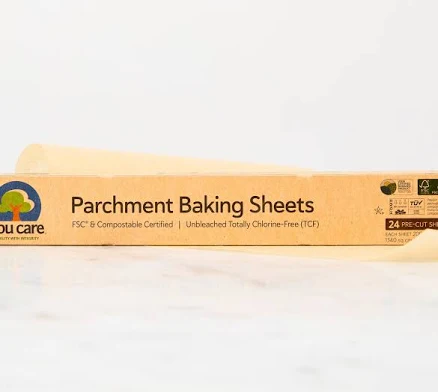
If You Care
If You Care Parchment Baking Paper
90/100 safety
Same rubric that flunked this product. The swap earned Excellent.
Still want this one anyway? Check the price on Amazon. We’d swap it.
Material
greaseproof coating, unspecified
Brand disclosure
Brand is silent on PFAS
Lab data
No public lab test
You may also be interested in
Top-graded picks in the categories readers replace first, every one scored on the same rubric.

- polypropylene filter housing, carbon/sediment cartridge
- We found no PFAS statement from the brand
- Bacterial growth in spent cartridges
3 hazards checked on this product, all on its full breakdown.

Aquasure
Premier Series 75 GPD Under Sink Reverse Osmosis Water Filtration System
- RO membrane, carbon filters, stainless steel housing
- We found no PFAS statement from the brand
- Bacterial and microbial growth in housing and filters
4 hazards checked on this product, all on its full breakdown.

Avocado
Vegan Mattress
- organic cotton, natural latex, coconut coir, recycled steel coils
- The brand calls it PFAS-free, which we have not verified
- Heavy metals
2 hazards checked on this product, all on its full breakdown.
What Greaseproof Custom Food Packaging Sheets is made of, ingredients and materials
The brand does not publicly specify the grease-resistant coating chemistry on these sheets. Greaseproof food packaging typically relies on fluorochemical coatings (PFAS-based) or wax/silicone blends. The silence on material composition is a red flag in food packaging, where coating composition directly affects migration risk into food, especially fatty or acidic items. Without third-party testing data or material transparency, the actual safety profile cannot be independently verified.
What’s concerning
Category baseline
The starting point for this type of product, before anything specific to this product is counted.
Vague safety claims only
Uses vague language ("eco-friendly", "clean") without a specific PFAS statement.
Waterproof / stain-resistant treatment
Water-repellent coating treatments have historically used PFAS.
PFAS
Greaseproof coatings are a known PFAS application; The brand's refusal to disclose coating type suggests possible fluorochemical use. PFAS migrates into fatty foods and accumulates in the body.
Source, ATSDR ↗Microplastics
Unspecified polymer coatings can degrade over time, especially with heat or repeated folding. Flaking particles may contaminate food if coating integrity fails.
Source, EPA ↗Migration of coating additives into food
FDA-compliant food contact coatings still permit low-level migration of slip agents, pigments, and resins. Without known formulation, additive safety cannot be assessed. High-fat or acidic foods accelerate migration.
Thermal decomposition hazard (if fluorochemical)
Fluorinated polymers release perfluorinated carboxylic acids and other degradation products above 400°F. Many home ovens exceed this; users may unknowingly expose themselves and food.
Lack of third-party verification
No NSF, FDA food contact approval listing, or independent lab testing data found for sheets. 'Custom' labeling without certification is a common marketing tactic that bypasses regulatory scrutiny.
How is this PFAS grade calculated?
The brand's record and disclosure
The brand has not published ingredient transparency, PFAS testing results, or third-party certifications (e.g., FDA food contact, GOTS, or PFAS-free claims) in publicly available sources. The brand's silence on coating chemistry suggests either reliance on legacy PFAS chemistry or an unwillingness to disclose. Established food-safe packaging brands (e.g., If You Care, Greenline) routinely publish material sourcing and certifications; The brand's opacity is inconsistent with industry best practice.
How it compares in its category
Most certified greaseproof sheets now declare PFAS-free status or use alternatives like mineral wax, silicone, or plant-based coatings. Competitors like Kirkland, Seventh Generation, and specialty brands explicitly label fluorochemical content or provide PFAS-free certificates. The brand's generic 'food safe' marketing without material specificity places it below transparent competitors in the same price range, where certification and disclosure are now standard.
If you buy it
Do not heat these sheets beyond 350°F without confirmation of the coating chemistry, as fluorochemical coatings degrade and release fumes above their design temperature. Avoid prolonged contact with high-fat foods (oils, butter, cheese) if PFAS coatings are present, as fluorochemicals migrate preferentially into fatty matrices. Replace sheets immediately if coating appears scratched, peeling, or discolored. Request a safety data sheet (SDS) or material certification from before purchase; lack of response reinforces the skip recommendation.
What is not known about PFAS in this product?
- Basis
- Model estimate, 35% confidence, not a lab result
- Lab test
- None on record for this exact product
- Brand statement
- has made none
Formulations change between production runs, so check the current label. How we grade.
What are the PFAS-free alternatives to Greaseproof Custom Food Safe Packaging Sheets?
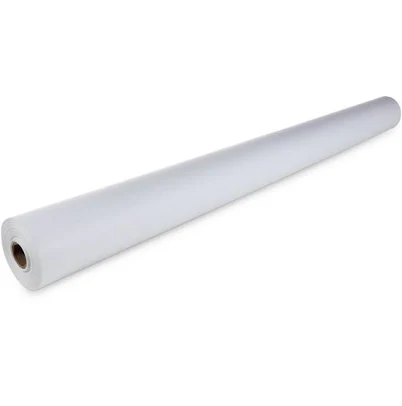
IDL Packaging
White Butcher Paper 18" x 12000" Natural Butcher Paper Roll for Meat and Fish
- unbleached natural kraft paper
- The brand calls it PFAS-free, which we have not verified
- Mold or microbial growth
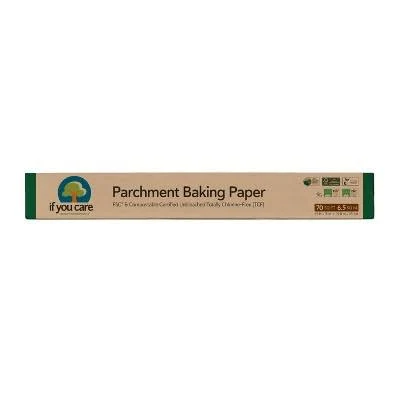
- unbleached parchment paper, silicone coating
- The brand calls it PFAS-free, which we have not verified
- Silicone coating degradation under heat stress
2 hazards checked on this product, all on its full breakdown.
- Silicone-coated parchment paper
- The brand calls it PFAS-free, which we have not verified
- Silicone coating degradation at high heat
More grease-resistant butcher & deli paper grades
How we score, every product runs through the same public 0-100 rubric based on materials, coatings, brand disclosure, lab findings, and recalls. See the full methodology → Spotted a mistake? Report an error.