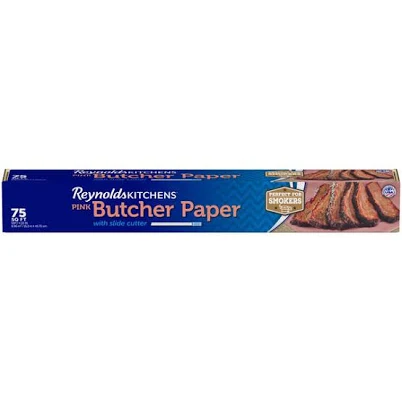
Reynolds · Grease-Resistant Butcher & Deli Paper
Reynolds Kitchens Butcher Paper with Slide Cutter
Likely lower risk, but grease-resistant treatment source unclear.
Butcher paper typically uses silicone or wax for grease resistance, not PFAS chemicals. Reynolds does not explain what coating is actually on this paper.
The better-graded swap
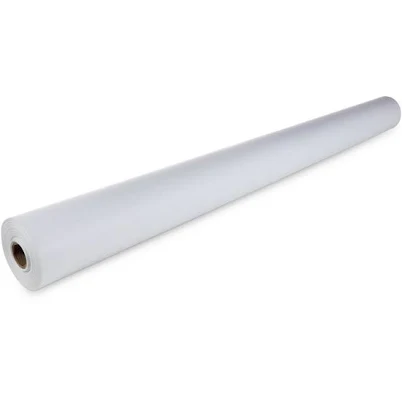
IDL Packaging
Idl Packaging White Butcher Paper 18" x 12000" Natural Butcher Paper Roll for Meat and Fish
95/100 safety
Same rubric that flunked this product. The swap earned Excellent.
Still want this one anyway? Check the price on Amazon. We’d swap it.
Material
kraft paper with standard grease-resistant treatment
Lab data
No public lab test
You may also be interested in
Top-graded picks in the categories readers replace first, every one scored on the same rubric.

- polypropylene filter housing, carbon/sediment cartridge
- We found no PFAS statement from the brand
- Bacterial growth in spent cartridges
3 hazards checked on this product, all on its full breakdown.

Aquasure
Premier Series 75 GPD Under Sink Reverse Osmosis Water Filtration System
- RO membrane, carbon filters, stainless steel housing
- We found no PFAS statement from the brand
- Bacterial and microbial growth in housing and filters
4 hazards checked on this product, all on its full breakdown.

Avocado
Vegan Mattress
- organic cotton, natural latex, coconut coir, recycled steel coils
- The brand calls it PFAS-free, which we have not verified
- Heavy metals
2 hazards checked on this product, all on its full breakdown.
What Reynolds Kitchens Butcher Slide Cutter is made of, ingredients and materials
Reynolds Kitchens Butcher Paper is kraft paper (cellulose-based) treated with a grease-resistant coating, typically a silicone or wax-based layer or both. Kraft paper itself is food-safe and unbleached or minimally bleached. The coating's chemistry is the only variable of concern here, as it must prevent fat penetration while remaining stable at room and refrigeration temperatures. This product is designed for short-term food wrapping and storage, not direct cooking contact at high heat.
What’s concerning
Category baseline
The starting point for this type of product, before anything specific to this product is counted.
No PFAS disclosure
No public statement from the brand about PFAS in this product.
Waterproof / stain-resistant treatment
Water-repellent coating treatments have historically used PFAS.
Grease-resistant coating composition (unclear source)
The specific chemistry of the slide-cutter model's grease treatment is not disclosed publicly. Silicone and wax coatings are considered food-safe, but legacy or non-standard formulations cannot be ruled out without manufacturer transparency.
Microplastic shedding from coating
If the grease-resistant layer is synthetic polymer-based, physical wear or friction from the slide cutter mechanism could theoretically release particles. No studies document this for butcher paper specifically, but the risk is inherent to coated paper products.
Heat stability of coating at cooking temperatures
Butcher paper is not rated for direct oven use above 350F. At higher temperatures, polymer or wax coatings can soften, migrate, or off-gas. This product is labeled for food wrapping and storage only, not baking.
What’s reassuring
Bleaching residues in kraft paper
Unbleached and chlorine-free kraft paper is now the industry standard. No reported contamination with dioxins or other bleaching byproducts in modern Reynolds products, but certification details are not always visible on consumer packaging.
Ink or dyes on printed side
Reynolds Kitchens uses food-safe inks on printed surfaces (logos, measurements). No lead, cadmium, or azo-dye contamination is documented, and FDA-approved food-contact inks are standard in this category.
How is this PFAS grade calculated?
The brand's record and disclosure
Reynolds (now a subsidiary of Alcoa) has a long history in food packaging and maintains FDA compliance documentation for its paper products. The company does not prominently disclose the specific chemical composition of the grease-resistant coating on this SKU. No major safety recalls or consumer complaints about this product are documented in public records. Reynolds does not volunteer PFAS testing data on its butcher paper, leaving the coating source opaque to consumers.
How it compares in its category
Butcher paper with slide cutters is relatively uniform in material composition across brands (Reynold's, Kirkland, store brands). Most use silicone or wax-based coatings rather than PFAS-based grease barriers, though confirmation varies by supplier. Parchment paper and plastic wrap are alternatives; parchment avoids the coating-source ambiguity but can be more expensive. Reusable cloth wraps eliminate single-use waste but offer no grease barrier.
If you buy it
Use this product as intended, wrapping raw or cooked meats and foods at room temperature or refrigerated storage. Do not expose to direct oven heat above 350F, as the coating may degrade or release compounds. Replace rolls every 12-18 months if stored in a dry pantry; discard if you notice discoloration, brittleness, or coating separation. Store in a cool, dry place away from strong solvents or oils that could compromise the coating.
What is not known about PFAS in this product?
- Basis
- Model estimate, 65% confidence, not a lab result
- Lab test
- None on record for this exact product
- Brand statement
- Reynolds has made a specific claim
Formulations change between production runs, so check the current label. How we grade.
What are the PFAS-free alternatives to Reynolds Kitchens Butcher Paper with Slide Cutter?
IDL Packaging
White Butcher Paper 18" x 12000" Natural Butcher Paper Roll for Meat and Fish
- unbleached natural kraft paper
- The brand calls it PFAS-free, which we have not verified
- Mold or microbial growth
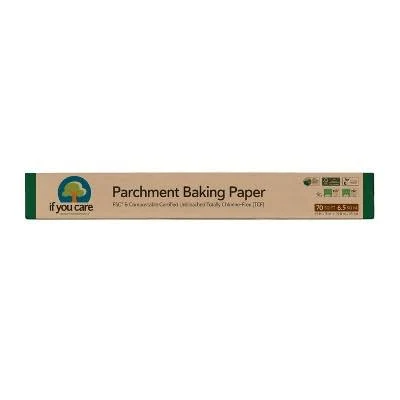
- unbleached parchment paper, silicone coating
- The brand calls it PFAS-free, which we have not verified
- Silicone coating degradation under heat stress
2 hazards checked on this product, all on its full breakdown.
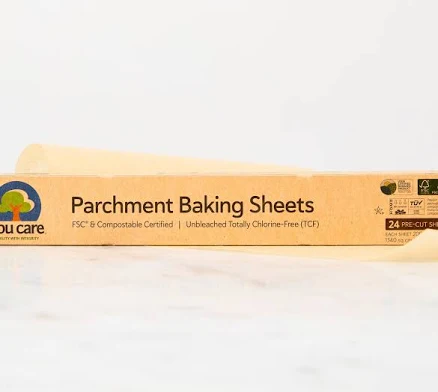
- Silicone-coated parchment paper
- The brand calls it PFAS-free, which we have not verified
- Silicone coating degradation at high heat
More grease-resistant butcher & deli paper grades
How we score, every product runs through the same public 0-100 rubric based on materials, coatings, brand disclosure, lab findings, and recalls. See the full methodology → Spotted a mistake? Report an error.