Samsung · Waterproof Phone Cases
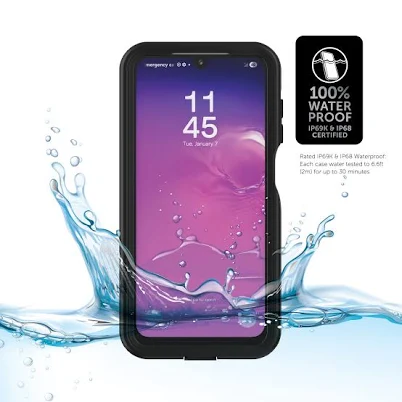
Body Glove Tidal Waterproof Phone Case for Samsung Galaxy A26 5G
No coating described, and no PFAS statement from the brand.
The product information we reviewed describes thermoplastic rubber/plastic, with no water-repellent coating named. Water resistance on products like this usually comes from the material and its seals rather than a surface treatment. The brand has published no PFAS statement for it.
We flunk more products than we pass. This one earned its grade. How we grade
Material
Thermoplastic rubber/plastic
Lab data
No public lab test
You may also be interested in
Top-graded picks in the categories readers replace first, every one scored on the same rubric.

- polypropylene filter housing, carbon/sediment cartridge
- We found no PFAS statement from the brand
- Bacterial growth in spent cartridges
3 hazards checked on this product, all on its full breakdown.

Aquasure
Premier Series 75 GPD Under Sink Reverse Osmosis Water Filtration System
- RO membrane, carbon filters, stainless steel housing
- We found no PFAS statement from the brand
- Bacterial and microbial growth in housing and filters
4 hazards checked on this product, all on its full breakdown.

Avocado
Vegan Mattress
- organic cotton, natural latex, coconut coir, recycled steel coils
- The brand calls it PFAS-free, which we have not verified
- Heavy metals
2 hazards checked on this product, all on its full breakdown.
What Body Glove Tidal Waterproof Galaxy A26 is made of, ingredients and materials
Body Glove Tidal cases are constructed from thermoplastic rubber (TPR) and plastic composites, materials chosen for durability and water resistance without relying on Teflon-type coating coatings or chemical water repellents. TPR is inherently non-porous and provides waterproofing through dense material structure and mechanical seals around openings, not surface treatments. These elastomeric polymers do not release volatile compounds under normal phone-use temperatures (typically under 50°C) and have no established leaching profile for heavy metals or plasticizers under ambient conditions.
What’s concerning
Category baseline
The starting point for this type of product, before anything specific to this product is counted.
No PFAS disclosure
No public statement from the brand about PFAS in this product.
TPR/plastic polymer aging and seal degradation
Thermoplastic rubber degrades over 2-3 years with UV exposure and thermal cycling. Loss of seal integrity can eventually allow water ingress, but this is a durability issue, not a chemical safety hazard.
Microplastic shedding during normal wear
Elastomeric cases can shed microscopic polymer particles during flexing and contact with skin over extended use. Exposure is minimal and not classifiable as a known health risk, but environmental accumulation is a consideration.
What’s reassuring
Base material not linked to PFAS
The main material recorded for this product is not one associated with PFAS.
Phthalate esters in TPR formulations
Body Glove has not disclosed phthalate content for this product. TPR compounds sometimes use phthalates as plasticizers; no leaching is expected under normal phone-case use conditions, but baseline testing data is unavailable.
BPA & bisphenols
If the case contains polycarbonate or ABS plastics in rigid frame sections, BPA may be present. Body Glove has not disclosed polymer sourcing. No direct skin contact with interior surfaces minimizes exposure risk.
Source, FDA ↗Heavy metals
Colored TPR and plastic cases may use heavy metal-based pigments (cadmium, lead) for color stability, but this is not documented for Body Glove products and poses negligible risk via external contact.
Source, FDA ↗How is this PFAS grade calculated?
The brand's record and disclosure
Body Glove (a subsidiary of Kona Inc.) does not publish material safety disclosures or PFAS statements for this product line. No recalls or third-party safety violations are on record for the Tidal case series. The brand's silence on PFAS aligns with industry norm for phone case manufacturers, where regulatory pressure remains minimal and material transparency is not standard practice.
How it compares in its category
Waterproof phone cases typically fall into two camps, sealed rigid plastic/TPR designs (like this one) and those with water-resistant coatings that may contain PFAS. The Tidal case is in a lower concern category by relying on material density and mechanical sealing rather than fluorinated repellents. Silicone alternatives (common in this segment) pose similar low risk but tend to be stickier and may collect dust; TPR cases offer cleaner handling with comparable safety.
If you buy it
Keep seals and gaskets dry and inspect them every 6-12 months for cracks or hardening, as elastomeric degradation can compromise waterproofing over years of use. Do not expose the case to prolonged direct sunlight or heat above 60°C, which may accelerate polymer aging. Clean the exterior with mild soap and water; avoid solvents or abrasive scrubbing that can damage the seal integrity. Replace the case if seals visibly degrade or if you notice water entering the phone.
What is not known about PFAS in this product?
- Basis
- Model estimate, 35% confidence, not a lab result
- Lab test
- None on record for this exact product
- Brand statement
- Samsung has made a specific claim
Formulations change between production runs, so check the current label. How we grade.
What are the PFAS-free alternatives to Body Glove Tidal Waterproof Phone Case for Samsung Galaxy A26 5G?
- Flax fiber and plant-based resin blend, compostable
- A third party reports verifying it as PFAS-free
- Coating degradation and durability over time
2 hazards checked on this product, all on its full breakdown.
- plant-based bioplastic (flax and other plant fibers)
- A third party reports verifying it as PFAS-free
- Thermal degradation and warping
3 hazards checked on this product, all on its full breakdown.
- Plant-based bioplastic (compostable blend)
- A third party reports verifying it as PFAS-free
- Bioplastic degradation and microparticle shedding
More waterproof phone cases grades
How we score, every product runs through the same public 0-100 rubric based on materials, coatings, brand disclosure, lab findings, and recalls. See the full methodology → Spotted a mistake? Report an error.