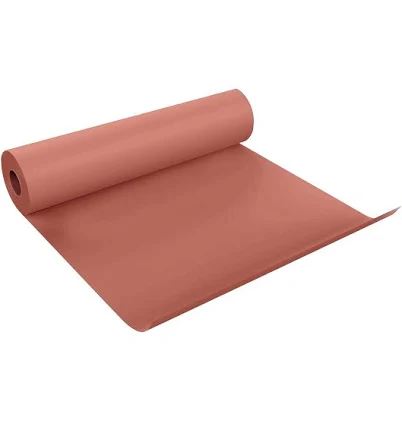
· Grease-Resistant Butcher & Deli Paper
Expert Grill Butcher Paper
Grease-resistant paper likely uses fluorinated coating. Brand silent.
Butcher paper typically relies on grease-resistant treatment, often fluorinated. This brand says nothing publicly about PFAS or whether testing was done.
The better-graded swap
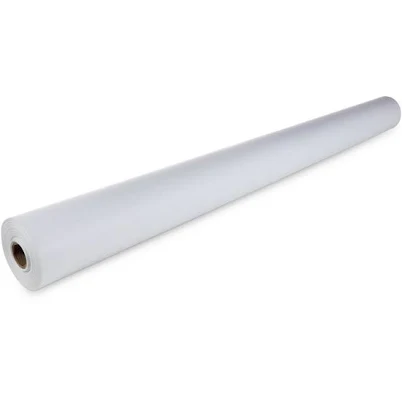
IDL Packaging
Idl Packaging White Butcher Paper 18" x 12000" Natural Butcher Paper Roll for Meat and Fish
95/100 safety
Same rubric that flunked this product. The swap earned Excellent.
Still want this one anyway? Check the price on Amazon. We’d swap it.
Material
butcher paper with grease-resistant coating
Brand disclosure
Brand is silent on PFAS
Lab data
No public lab test
You may also be interested in
Top-graded picks in the categories readers replace first, every one scored on the same rubric.

- polypropylene filter housing, carbon/sediment cartridge
- We found no PFAS statement from the brand
- Bacterial growth in spent cartridges
3 hazards checked on this product, all on its full breakdown.

Aquasure
Premier Series 75 GPD Under Sink Reverse Osmosis Water Filtration System
- RO membrane, carbon filters, stainless steel housing
- We found no PFAS statement from the brand
- Bacterial and microbial growth in housing and filters
4 hazards checked on this product, all on its full breakdown.

Avocado
Vegan Mattress
- organic cotton, natural latex, coconut coir, recycled steel coils
- The brand calls it PFAS-free, which we have not verified
- Heavy metals
2 hazards checked on this product, all on its full breakdown.
What Expert Grill Butcher Paper is made of, ingredients and materials
Butcher paper is typically kraft paper (cellulose fibers from wood pulp) with a grease-resistant coating on one or both sides. The coating prevents oil and moisture from soaking through, which is the paper's main function. To achieve grease resistance, manufacturers can use wax, clay, or synthetic polymers; however, fluorinated coatings (PFAS-based) are industry-standard because they outperform alternatives in durability and water/oil repellency. Sappi Fine Papers has not publicly disclosed the coating chemistry of this product.
What’s concerning
Category baseline
The starting point for this type of product, before anything specific to this product is counted.
No PFAS disclosure
No public statement from the brand about PFAS in this product.
Waterproof / stain-resistant treatment
Water-repellent coating treatments have historically used PFAS.
PFAS
Fluorinated coating chemistry is industry standard for grease resistance; Sappi's silence on composition and lack of PFAS-free certification strongly suggest presence of legacy or newer PFAS compounds. Migration to fatty foods is possible under warm or prolonged contact.
Source, ATSDR ↗Formaldehyde / VOCs
Butcher paper may contain formaldehyde-releasing binders or sizing agents used in pulp processing. No test data available for this specific product; levels are typically low in food-contact paper but vary by mill and process.
Source, ATSDR ↗Coating degradation and flaking into food
Over time, heat, humidity, or contact with acidic/fatty foods can cause the grease-resistant coating to crack, peel, or migrate. Risk increases if paper is stored improperly or used near heat sources for extended periods.
What’s reassuring
Lead
White or colored coatings may contain clay, talc, or pigments that could include trace metals. No recalls or reports specific to this product; regulatory limits for food-contact paper apply but are not independently verified here.
Source, ATSDR ↗Chlorine bleaching residues (dioxins, chlorate compounds)
Some butcher paper is bleached using chlorine-based chemicals; however, modern mills use ECF (elemental chlorine-free) processes that minimize dioxin risk. No specific information available for Sappi's processing of this product.
How is this PFAS grade calculated?
The brand's record and disclosure
Sappi is a large South African pulp and paper manufacturer with no publicly available safety data sheets or PFAS-stance statements specific to this consumer product line. The company has faced no major recalls for butcher paper, but its lack of ingredient transparency is standard in the commodity paper sector and differs markedly from brands that voluntarily certify PFAS-free status. No third-party certifications (such as FDA microwave-safe or BPA-free) are evident for this product.
How it compares in its category
Most butcher paper sold in North America likely contains PFAS-based grease coatings; alternatives labeled PFAS-free or wax-coated are available but often cost more and perform less reliably at high temperatures or with wet foods. This product sits in the mainstream category without differentiation. Uncoated kraft paper and compostable alternatives exist but lack the grease barrier needed for direct contact with raw meat or oily foods.
If you buy it
Use for wrapping, not for direct cooking contact (e.g., do not use as a base for grilling without a secondary barrier). Avoid prolonged storage of fatty foods in direct contact with the coated side, as this may increase leaching potential over time. Keep away from direct flame and heat above 400F (204C); heat can accelerate migration of coating compounds. Replace rolls every 1-2 years if stored in warm or humid conditions, as the paper may degrade and flake.
What is not known about PFAS in this product?
- Basis
- Model estimate, 45% confidence, not a lab result
- Lab test
- None on record for this exact product
- Brand statement
- has made none
Formulations change between production runs, so check the current label. How we grade.
What are the PFAS-free alternatives to Expert Grill Butcher Paper?
IDL Packaging
White Butcher Paper 18" x 12000" Natural Butcher Paper Roll for Meat and Fish
- unbleached natural kraft paper
- The brand calls it PFAS-free, which we have not verified
- Mold or microbial growth
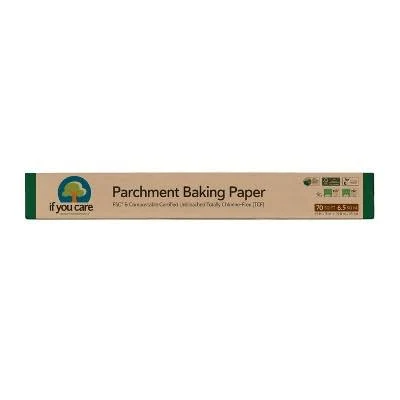
- unbleached parchment paper, silicone coating
- The brand calls it PFAS-free, which we have not verified
- Silicone coating degradation under heat stress
2 hazards checked on this product, all on its full breakdown.
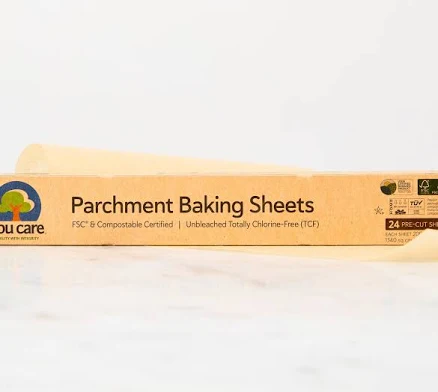
- Silicone-coated parchment paper
- The brand calls it PFAS-free, which we have not verified
- Silicone coating degradation at high heat
More grease-resistant butcher & deli paper grades
How we score, every product runs through the same public 0-100 rubric based on materials, coatings, brand disclosure, lab findings, and recalls. See the full methodology → Spotted a mistake? Report an error.