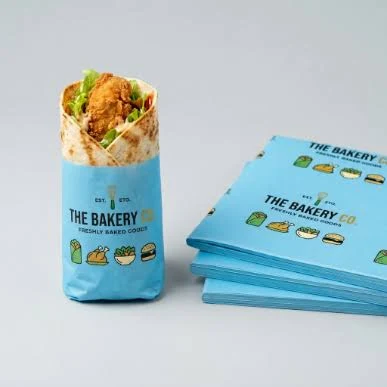
· Grease-Resistant Butcher & Deli Paper
Greaseproof Paper
Avoid until the brand reveals its grease-resistant coating chemistry.
Greaseproof paper needs water and grease repellency, commonly achieved with PFAS-based Teflon-family coating. No public disclosure exists from this brand about PFAS.
The better-graded swap
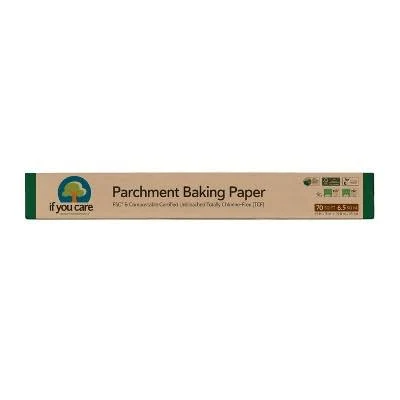
If You Care
If You Care Parchment Baking Sheets
90/100 safety
Same rubric that flunked this product. The swap earned Excellent.
Still want this one anyway? Check the price on Amazon. We’d swap it.
Material
Cellulose with grease-resistant coating
Brand disclosure
Brand is silent on PFAS
Lab data
No public lab test
You may also be interested in
Top-graded picks in the categories readers replace first, every one scored on the same rubric.

- polypropylene filter housing, carbon/sediment cartridge
- We found no PFAS statement from the brand
- Bacterial growth in spent cartridges
3 hazards checked on this product, all on its full breakdown.

Aquasure
Premier Series 75 GPD Under Sink Reverse Osmosis Water Filtration System
- RO membrane, carbon filters, stainless steel housing
- We found no PFAS statement from the brand
- Bacterial and microbial growth in housing and filters
4 hazards checked on this product, all on its full breakdown.

Avocado
Vegan Mattress
- organic cotton, natural latex, coconut coir, recycled steel coils
- The brand calls it PFAS-free, which we have not verified
- Heavy metals
2 hazards checked on this product, all on its full breakdown.
What Greaseproof Paper is made of, ingredients and materials
Sappi greaseproof paper is cellulose-based with an applied grease-resistant coating to prevent oil and fat penetration. The cellulose itself is inert and food-safe; the risk lies entirely in the coating chemistry. Sappi has not publicly disclosed whether this coating uses PFAS compounds (like Teflon-type coating or fluorinated waxes) or non-fluorinated alternatives (silicone, wax blends, or saturated hydrocarbon resins). Without this disclosure, the safety profile of the coating remains uncertain.
What’s concerning
Category baseline
The starting point for this type of product, before anything specific to this product is counted.
No PFAS disclosure
No public statement from the brand about PFAS in this product.
Waterproof / stain-resistant treatment
Water-repellent coating treatments have historically used PFAS.
PFAS
Sappi has not disclosed coating chemistry; fluorinated compounds are common in industrial greaseproofing but may or may not be used here. Uncertainty warrants precaution until brand provides specification data sheets.
Source, ATSDR ↗Coating leaching under heat or acid stress
Unspecified coating formulations may degrade or migrate when exposed to high temperature, oily foods, or acidic contact. Risk is low at normal use temperatures but increases if paper is reheated or used above manufacturer limits.
Microparticle shedding from worn paper
Degraded or torn greaseproof paper can shed cellulose fibers and coating fragments into food. This is a mechanical rather than chemical hazard but warrants regular replacement of worn rolls.
What’s reassuring
Chlorine residues from bleaching (if paper is chlorine-bleached)
Sappi does not specify bleaching method for this product; most conventional greaseproof papers use elemental chlorine-free (ECF) or totally chlorine-free (TCF) processing. No known contamination reports, but verification is not publicly available.
Heavy metals
Food-contact papers are typically free of heavy-metal pigments by regulatory standards, but Sappi provides no published testing data or third-party certification for this product line.
Source, FDA ↗How is this PFAS grade calculated?
The brand's record and disclosure
Sappi is a major global pulp-and-paper manufacturer but maintains silence on PFAS use in food-contact coatings across its product range. The company has not published sustainability reports or safety data sheets that specify grease-resistant coating chemistry. This lack of transparency is notable given industry-wide scrutiny of PFAS in food packaging since 2019. Consumers seeking certified PFAS-free papers will find no public assurance from Sappi for this product.
How it compares in its category
Greaseproof paper is standard in food service and home baking. Competitors like Unbleached and some EU-branded alternatives increasingly disclose PFAS-free or mineral-oil-based coatings. Parchment paper (silicone-coated) and beeswax wraps have lower concern for PFAS but differ in heat tolerance and reusability. Sappi's product lacks the transparency markers (third-party certification, explicit PFAS-free claims attributed to the brand) that now differentiate lower-concern greaseproof options in the market.
If you buy it
Use for room-temperature or low-heat food contact only (under 200°F/93°C); avoid direct flame or oven use above this threshold to minimize any coating migration risk. Replace rolls annually or when the paper shows tearing, discoloration, or loss of grease resistance, as degraded coating is more likely to leach. Store in a cool, dry place away from acidic foods (vinegar, citrus), which can degrade coatings over time. If PFAS concern is high priority, switch to brands with explicit PFAS-free certification (e.g., If You Care, Kirkland Organic) pending Sappi disclosure.
What is not known about PFAS in this product?
- Basis
- Model estimate, 35% confidence, not a lab result
- Lab test
- None on record for this exact product
- Brand statement
- has made none
Formulations change between production runs, so check the current label. How we grade.
What are the PFAS-free alternatives to Greaseproof Paper?
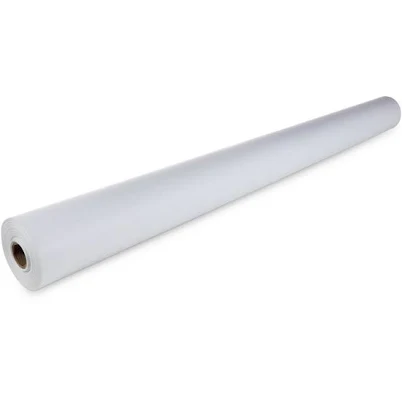
IDL Packaging
White Butcher Paper 18" x 12000" Natural Butcher Paper Roll for Meat and Fish
- unbleached natural kraft paper
- The brand calls it PFAS-free, which we have not verified
- Mold or microbial growth
- unbleached parchment paper, silicone coating
- The brand calls it PFAS-free, which we have not verified
- Silicone coating degradation under heat stress
2 hazards checked on this product, all on its full breakdown.
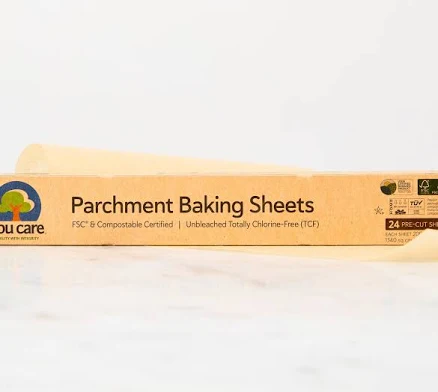
- Silicone-coated parchment paper
- The brand calls it PFAS-free, which we have not verified
- Silicone coating degradation at high heat
More grease-resistant butcher & deli paper grades
How we score, every product runs through the same public 0-100 rubric based on materials, coatings, brand disclosure, lab findings, and recalls. See the full methodology → Spotted a mistake? Report an error.