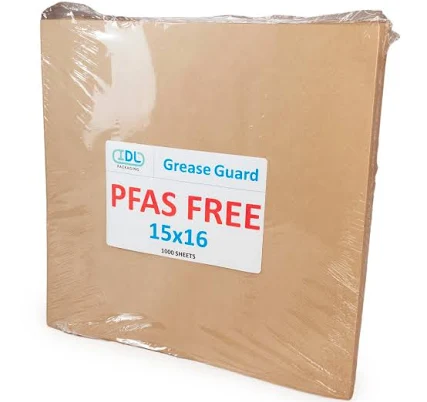
· Grease-Resistant Butcher & Deli Paper
IDL Packaging PFAS-Free Grease-Proof Paper Sheets
A water-repellent or grease-resistant treatment of unstated chemistry, with a brand PFAS statement we have not verified.
The brand describes these grease-proof paper sheets as PFAS-free and uncoated. We record that as an unverified brand claim. Its record describes a water-repellent or grease-resistant treatment of unstated chemistry, which is still counted.
Brand says: “The brand describes these grease-proof paper sheets as PFAS-free and uncoated.”
The better-graded swap
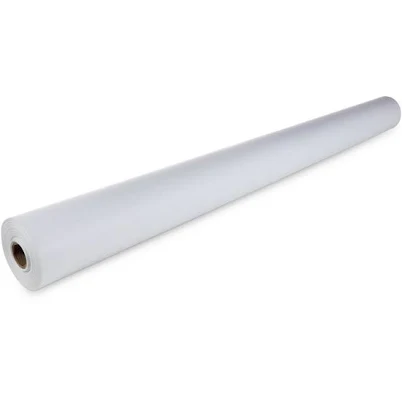
IDL Packaging
Idl Packaging White Butcher Paper 18" x 12000" Natural Butcher Paper Roll for Meat and Fish
95/100 safety
Same rubric that flunked this product. The swap earned Excellent.
Still want this one anyway? Check the price on Amazon. We’d swap it.
Material
paper with grease-resistant coating
Brand disclosure
Brand claims PFAS-free
Lab data
No public lab test
You may also be interested in
Top-graded picks in the categories readers replace first, every one scored on the same rubric.

- polypropylene filter housing, carbon/sediment cartridge
- We found no PFAS statement from the brand
- Bacterial growth in spent cartridges
3 hazards checked on this product, all on its full breakdown.

Aquasure
Premier Series 75 GPD Under Sink Reverse Osmosis Water Filtration System
- RO membrane, carbon filters, stainless steel housing
- We found no PFAS statement from the brand
- Bacterial and microbial growth in housing and filters
4 hazards checked on this product, all on its full breakdown.

Avocado
Vegan Mattress
- organic cotton, natural latex, coconut coir, recycled steel coils
- The brand calls it PFAS-free, which we have not verified
- Heavy metals
2 hazards checked on this product, all on its full breakdown.
What IDL Packaging PFAS-Free Paper Sheets is made of, ingredients and materials
This is a paper sheet with an applied grease-resistant coating. The paper substrate itself is chemically inert and food-safe; the risk lies in the coating used to repel fats and oils. The brand markets this as PFAS-free, but the specific chemistry of the replacement coating is not disclosed in public sources. Without knowing whether it uses silicones, waxes, starch-based polymers, or other alternatives, the safety profile of the coating cannot be fully assessed.
What’s concerning
Category baseline
The starting point for this type of product, before anything specific to this product is counted.
Waterproof / stain-resistant treatment
Water-repellent coating treatments have historically used PFAS.
Coating composition (unstated chemistry)
The grease-resistant coating is not chemically disclosed. While the brand claims PFAS-free, the substitute technology (silicone, wax, polymer, or other) is unknown. Potential for leaching of coating components under high heat or into fatty foods is unquantified.
Coating degradation and migration
Repeated folding, moisture, and heat exposure can break down the grease-resistant layer. Degraded or shed coating particles could theoretically transfer to food. Risk is low under normal refrigerated storage but increases with heat or extended contact.
Microplastic or coating shedding into food
Worn or damaged grease-resistant coatings on paper can shed particles. Risk is minimal for cold storage use but could increase if sheets are crumpled, heated, or reused excessively. Inspect before each use.
What’s reassuring
Brand-stated PFAS-free
The brand states this product is PFAS-free. We have not verified the claim.
Heavy metals
No recalls or reports of cadmium, lead, or other heavy metals in deli papers are on public record. Paper-based products carry lower inherent risk for metal contamination than ceramics or glazed items, but full ingredient disclosure would eliminate this uncertainty.
Source, FDA ↗Formaldehyde / VOCs
Paper coatings for food use are not typically formaldehyde-based in the US food-contact market. No published warnings or testing results suggest this is a concern for this product, but unverified coating chemistry leaves a small gap in certainty.
Source, ATSDR ↗How is this PFAS grade calculated?
The brand's record and disclosure
The brand has made a public PFAS-free claim for this product line. However, no third-party certification (such as FDA verification, NSF International, or independent lab testing) of this claim appears on record. The brand has not published the alternative coating formula. Transparency around the replacement technology would strengthen confidence in the claim.
How it compares in its category
Traditional deli and butcher papers often relied on PFOA or PFOS-based coatings for grease resistance. PFAS-free alternatives have entered the market but vary widely in coating composition and transparency. This product's explicit PFAS-free positioning aligns with regulatory trends, but without disclosed chemistry it sits at the middle tier, better than confirmed PFAS products, less reassuring than independently verified alternatives.
If you buy it
Use for room-temperature or mild-warmth storage (wrapping cold cuts, storing baked goods). Avoid direct contact with very hot foods or hot grease that could accelerate coating breakdown. Replace sheets if visible wear, discoloration, or greasing-through occurs. Store in a cool, dry place; moisture and heat can degrade coatings over time. For direct contact with foods destined for vulnerable populations (infants, pregnant people), prioritize products with published ingredient disclosure.
What is not known about PFAS in this product?
- Basis
- Model estimate, 65% confidence, not a lab result
- Lab test
- None on record for this exact product
- Brand statement
- has made a specific claim
Formulations change between production runs, so check the current label. How we grade.
What are the PFAS-free alternatives to IDL Packaging PFAS-Free Grease-Proof Paper Sheets?
IDL Packaging
White Butcher Paper 18" x 12000" Natural Butcher Paper Roll for Meat and Fish
- unbleached natural kraft paper
- The brand calls it PFAS-free, which we have not verified
- Mold or microbial growth
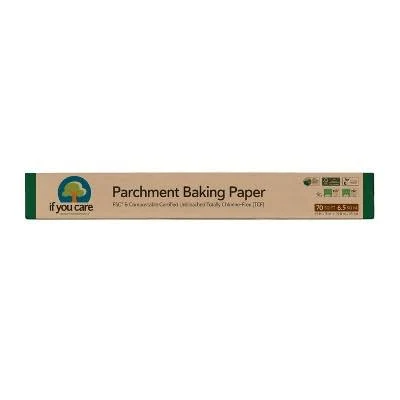
- unbleached parchment paper, silicone coating
- The brand calls it PFAS-free, which we have not verified
- Silicone coating degradation under heat stress
2 hazards checked on this product, all on its full breakdown.
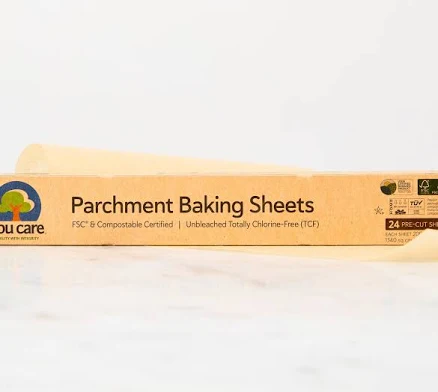
- Silicone-coated parchment paper
- The brand calls it PFAS-free, which we have not verified
- Silicone coating degradation at high heat
More grease-resistant butcher & deli paper grades
How we score, every product runs through the same public 0-100 rubric based on materials, coatings, brand disclosure, lab findings, and recalls. See the full methodology → Spotted a mistake? Report an error.