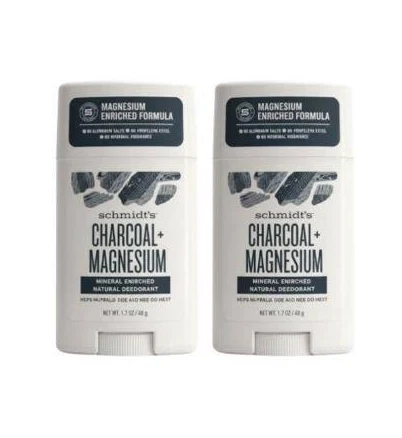
Schmidt's Aluminum-Free Vegan Deodorant
Lower PFAS concern; simple mineral formula, but brand offers no explicit PFAS transparency.
This aluminum-free deodorant uses mineral powders, starch, coconut oil, and beeswax with no water-resistance treatments or nonstick coatings introducing PFAS. Schmidt's doesn't publicly disclose PFAS testing, leaving room for trace contamination from raw materials or manufacturing.
We flunk more products than we pass. This one earned its grade. How we grade
Material
Natural mineral powders, starch, coconut oil, beeswax
Brand disclosure
Brand is silent on PFAS
Lab data
No public lab test
You may also be interested in
Top-graded picks in the categories readers replace first, every one scored on the same rubric.

- polypropylene filter housing, carbon/sediment cartridge
- We found no PFAS statement from the brand
- Bacterial growth in spent cartridges
3 hazards checked on this product, all on its full breakdown.

Aquasure
Premier Series 75 GPD Under Sink Reverse Osmosis Water Filtration System
- RO membrane, carbon filters, stainless steel housing
- We found no PFAS statement from the brand
- Bacterial and microbial growth in housing and filters
4 hazards checked on this product, all on its full breakdown.

Avocado
Vegan Mattress
- organic cotton, natural latex, coconut coir, recycled steel coils
- The brand calls it PFAS-free, which we have not verified
- Heavy metals
2 hazards checked on this product, all on its full breakdown.
What Schmidt's Aluminum-Free Vegan Deodorant is made of, ingredients and materials
Schmidt's Aluminum-Free uses mineral powders (primarily arrowroot starch, magnesium hydroxide, or similar mineral bases), coconut oil, and beeswax as the structural matrix. This formulation avoids both aluminum salts (used in conventional antiperspirants) and synthetic polymer coatings that often trap moisture. The absence of talc and reliance on plant-derived starches reduces particulate inhalation risk compared to powder deodorants of the mid-20th century.
What’s concerning
Category baseline
The starting point for this type of product, before anything specific to this product is counted.
No PFAS disclosure
No public statement from the brand about PFAS in this product.
Fragrance/allergens
Schmidt's varieties include added fragrances and essential oils; no ingredient list specifies fragrance allergens (e.g., limonene, linalool, cinnamaldehyde). Risk is typical of scented cosmetics and affects sensitized individuals but not the general population.
Skin irritation from beeswax or coconut oil
Both beeswax and coconut oil are known contact allergens and comedogens for susceptible individuals. Incidence is low (1-3% of users) but can occur; patch testing is recommended for those with sensitive skin or coconut allergy.
Bacterial or fungal overgrowth if improperly stored
Oil-based formulations can support microbial growth if exposed to moisture or contamination during use. No lid or sealed container is typical; keeping the product dry and discarding if discoloration or odor changes will mitigate this low-probability risk.
What’s reassuring
Base material not linked to PFAS
The main material recorded for this product is not one associated with PFAS.
Heavy metals
No recalls or published test results document lead, cadmium, or arsenic in Schmidt's mineral powders. Mining and processing of arrowroot starch or magnesium hydroxide can theoretically introduce contaminants, but no evidence on record for this brand suggests risk above industry baseline.
Source, FDA ↗Formaldehyde / VOCs
No preservative system relying on formaldehyde donors (e.g., DMDM hydantoin, diazolidinyl urea) is disclosed or typical of mineral-based deodorants. Risk is not present in this product class.
Source, ATSDR ↗How is this PFAS grade calculated?
The brand's record and disclosure
Schmidt's markets heavily on natural and vegan positioning but provides no public PFAS testing data or third-party certifications (e.g., EWG Verified, NSF). The brand has not issued recalls related to heavy metals or microcontaminants in widely documented sources. Marketing claims are broadly consistent with ingredient lists, though the company does not publish detailed safety test reports or supply-chain audits that would enable independent verification of mineral purity.
How it compares in its category
Aluminum-free deodorants occupy a middle tier, they avoid the antiperspirant-specific concerns of aluminum chlorohydrate but trade efficacy for safety. Schmidt's is positioned as a 'natural' option, sitting between conventional antiperspirants (higher safety risk profile) and crystal deodorants (purely mineral, minimal processing). Its beeswax and oil base is typical of the indie/natural segment and generally carries lower chemical hazard than silicone- or talc-heavy competitors.
If you buy it
Apply sparingly to dry underarm skin to avoid greasiness and reduce bacterial overgrowth in occluded areas. Replace every 6-12 months or when discoloration appears, as the coconut oil base can oxidize and the mineral matrix can consolidate. Avoid use immediately after shaving to reduce skin irritation. If redness or contact dermatitis develops, discontinue and confirm the coconut oil or beeswax is not triggering a sensitivity (both are known allergens for a small percentage of users).
What is not known about PFAS in this product?
- Basis
- Model estimate, 78% confidence, not a lab result
- Lab test
- None on record for this exact product
- Brand statement
- Schmidt's has made none
Formulations change between production runs, so check the current label. How we grade.
What are the PFAS-free alternatives to Schmidt's Aluminum-Free Vegan Deodorant?
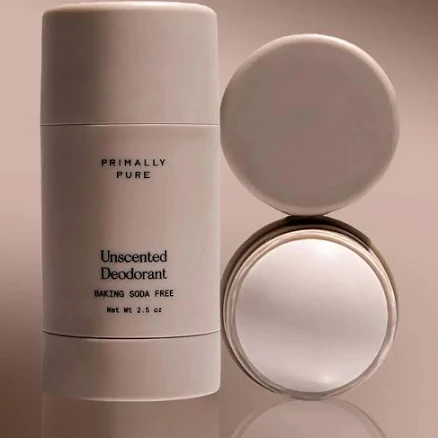
- mineral-based powder blend (arrowroot, magnesium hydroxide, mica)
- We found no PFAS statement from the brand
- Skin irritation from magnesium hydroxide alkalinity
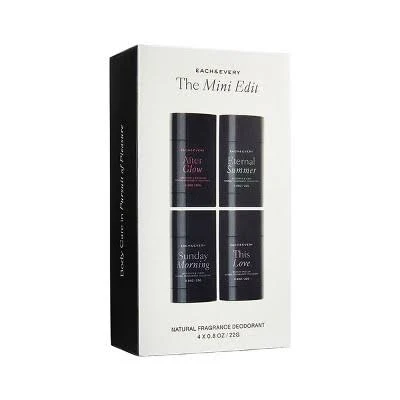
- cosmetic formulations, primary ingredients listed
- A third party reports verifying it as PFAS-free
- Fragrance allergens (natural essential oils)
2 hazards checked on this product, all on its full breakdown.
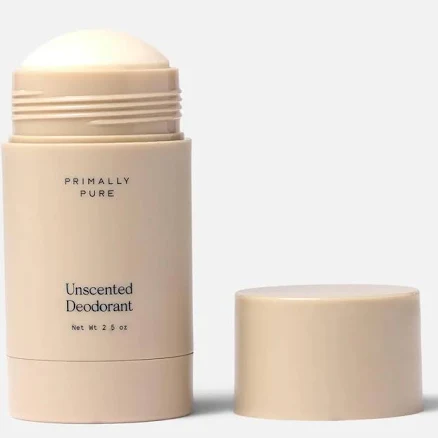
- natural mineral powders, plant-based actives, beeswax
- We found no PFAS statement from the brand
- Beeswax purity and contamination
2 hazards checked on this product, all on its full breakdown.
More deodorant grades
How we score, every product runs through the same public 0-100 rubric based on materials, coatings, brand disclosure, lab findings, and recalls. See the full methodology → Spotted a mistake? Report an error.