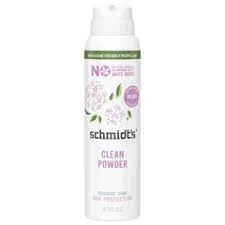
SCHMIDT'S Deodorant Spray
Lower concern; typical spray with no identified PFAS triggers, but brand offers no transparency.
Schmidt's spray deodorant contains water, propellants, glycerin, and essential oils with no PFAS-prone coatings or water-resistance treatments. Spray cosmetics rarely require PFAS though the brand offers no sourcing transparency.
We flunk more products than we pass. This one earned its grade. How we grade
Material
Water, propane/isobutane propellant, glycerin, essential oils, mineral compounds
Brand disclosure
Brand is silent on PFAS
Lab data
No public lab test
You may also be interested in
Top-graded picks in the categories readers replace first, every one scored on the same rubric.

- polypropylene filter housing, carbon/sediment cartridge
- We found no PFAS statement from the brand
- Bacterial growth in spent cartridges
3 hazards checked on this product, all on its full breakdown.

Aquasure
Premier Series 75 GPD Under Sink Reverse Osmosis Water Filtration System
- RO membrane, carbon filters, stainless steel housing
- We found no PFAS statement from the brand
- Bacterial and microbial growth in housing and filters
4 hazards checked on this product, all on its full breakdown.

Avocado
Vegan Mattress
- organic cotton, natural latex, coconut coir, recycled steel coils
- The brand calls it PFAS-free, which we have not verified
- Heavy metals
2 hazards checked on this product, all on its full breakdown.
What SCHMIDT'S Deodorant Spray is made of, ingredients and materials
Schmidt's spray deodorant is water-based with propane/isobutane propellants (standard aerosol gases), glycerin (humectant), and essential oils. This formulation avoids aluminum compounds and talc, both common in conventional deodorants. The propellant blend is FDA-approved for cosmetic use and does not pose acute inhalation risk at normal application rates; however, like all aerosol products, pressurized cans should not be heated or punctured.
What’s concerning
Category baseline
The starting point for this type of product, before anything specific to this product is counted.
No PFAS disclosure
No public statement from the brand about PFAS in this product.
Fragrance allergens (essential oils)
Schmidt's formulation relies on essential oils for scent and antimicrobial effect. While generally recognized as safe, essential oils (e.g., lavender, tea tree) can trigger contact dermatitis or respiratory sensitivity in susceptible individuals; no hypoallergenic variant is marketed by the brand.
Undisclosed ingredients or 'natural' label overreach
Schmidt's markets itself as 'natural' and 'clean' but does not disclose full supply chain or third-party verification. Essential oils and mineral compounds may not meet strict natural/organic standards; consumer expectations may exceed actual ingredient purity.
What’s reassuring
Base material not linked to PFAS
The main material recorded for this product is not one associated with PFAS.
Propellant inhalation (propane/isobutane)
Aerosol propellants are approved for cosmetic use and pose minimal risk with normal application. However, deliberate inhalation or use in confined spaces increases respiratory exposure; the brand provides no warnings about ventilation requirements.
Heavy metals
The product lists mineral compounds but does not specify source or heavy-metal screening (e.g., lead, cadmium, arsenic). No published testing or recalls for contamination are on record, but lack of transparency means potential for trace metals cannot be ruled out without independent analysis.
Source, FDA ↗Bacterial/mold growth in spray mechanism
Aerosol deodorants are less prone to bacterial colonization than cream or stick formats, but water-based formulations can support microbial growth if the nozzle or internal surfaces retain moisture. No recalls for contamination are documented.
How is this PFAS grade calculated?
The brand's record and disclosure
Schmidt's has built a market position around 'natural' and 'aluminum-free' claims but does not publish detailed ingredient sourcing, third-party testing, or heavy-metal screening data. The brand is silent on PFAS and offers no public commitments to PFAS avoidance or testing. No major safety recalls specific to this product are on record, though the brand has faced criticism for vague marketing claims rather than regulatory action.
How it compares in its category
Schmidt's spray sits in the mid-tier 'natural' deodorant segment. It avoids talc and aluminum unlike conventional antiperspirants, reducing two common dermal exposure concerns. Compared to oil-based or stick formulas, spray application poses slightly higher inhalation exposure to propellants, though the risk is low with typical use. Most competing aluminum-free sprays use similar water and essential-oil bases.
If you buy it
Apply in a well-ventilated space to minimize propellant inhalation; avoid spraying near eyes or open flames. Do not use on damaged or irritated skin; if fragrance allergens trigger sensitivity, patch-test first or switch to unscented alternatives. Store upright in cool conditions away from heat sources. Replace when spray pressure weakens or after 18-24 months of typical use.
What is not known about PFAS in this product?
- Basis
- Model estimate, 72% confidence, not a lab result
- Lab test
- None on record for this exact product
- Brand statement
- Schmidt's has made none
Formulations change between production runs, so check the current label. How we grade.
What are the PFAS-free alternatives to SCHMIDT'S Deodorant Spray?
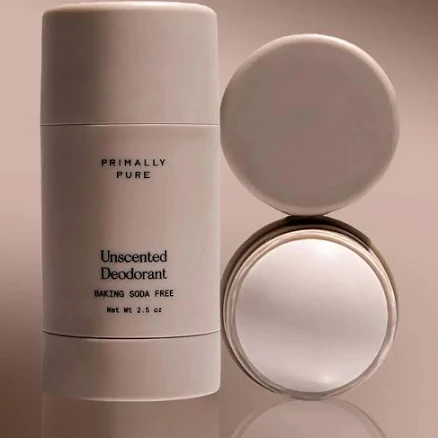
- mineral-based powder blend (arrowroot, magnesium hydroxide, mica)
- We found no PFAS statement from the brand
- Skin irritation from magnesium hydroxide alkalinity
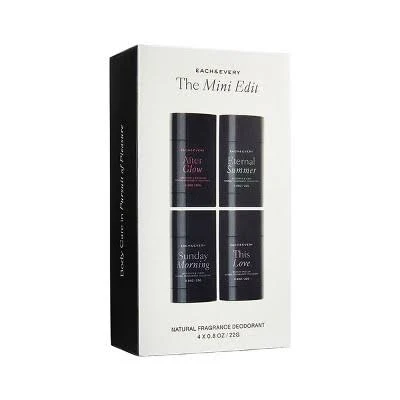
- cosmetic formulations, primary ingredients listed
- A third party reports verifying it as PFAS-free
- Fragrance allergens (natural essential oils)
2 hazards checked on this product, all on its full breakdown.
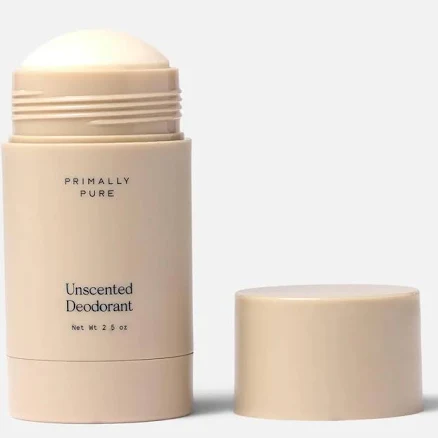
- natural mineral powders, plant-based actives, beeswax
- We found no PFAS statement from the brand
- Beeswax purity and contamination
2 hazards checked on this product, all on its full breakdown.
More deodorant grades
How we score, every product runs through the same public 0-100 rubric based on materials, coatings, brand disclosure, lab findings, and recalls. See the full methodology → Spotted a mistake? Report an error.