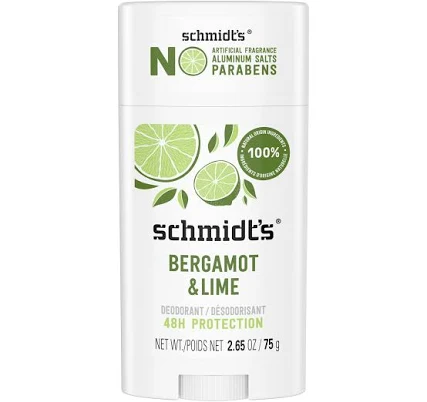
SCHMIDT'S Natural Deodorant Stick
Lower PFAS concern; natural formula with no known sticks or coatings requiring forever chemicals.
Schmidt's uses mineral salts and plant-based ingredients rather than synthetic polymers or coatings. The brand emphasizes natural ingredients aligning with lower PFAS risk, though no specific PFAS certifications or testing address this product.
We flunk more products than we pass. This one earned its grade. How we grade
Material
Natural mineral salts, coconut oil, arrowroot starch
Brand disclosure
Brand is silent on PFAS
Lab data
No public lab test
You may also be interested in
Top-graded picks in the categories readers replace first, every one scored on the same rubric.

- polypropylene filter housing, carbon/sediment cartridge
- We found no PFAS statement from the brand
- Bacterial growth in spent cartridges
3 hazards checked on this product, all on its full breakdown.

Aquasure
Premier Series 75 GPD Under Sink Reverse Osmosis Water Filtration System
- RO membrane, carbon filters, stainless steel housing
- We found no PFAS statement from the brand
- Bacterial and microbial growth in housing and filters
4 hazards checked on this product, all on its full breakdown.

Avocado
Vegan Mattress
- organic cotton, natural latex, coconut coir, recycled steel coils
- The brand calls it PFAS-free, which we have not verified
- Heavy metals
2 hazards checked on this product, all on its full breakdown.
What SCHMIDT'S Natural Deodorant Stick is made of, ingredients and materials
Schmidt's Natural Deodorant uses a base of potassium alum (a naturally occurring mineral salt) combined with coconut oil and arrowroot starch as binding and moisture-absorbing agents. Unlike antiperspirants, this formula does not block sweat glands; instead, the mineral salt inhibits odor-causing bacteria. The absence of talc, synthetic fragrances in most variants, and common irritants (parabens, aluminum chlorohydrate) means lower exposure to inhalation hazards and skin sensitizers typical of conventional deodorants.
What’s concerning
Category baseline
The starting point for this type of product, before anything specific to this product is counted.
No PFAS disclosure
No public statement from the brand about PFAS in this product.
Fragrance allergens and essential oils
Most Schmidt's variants contain essential oils or fragrance blends (lavender, cedarwood, etc.); these can trigger contact dermatitis or respiratory sensitivity in susceptible individuals, though incidence is low and product-specific.
Skin irritation from mineral salts and baking soda
Potassium alum and baking soda (in some formulas) are known irritants for sensitive skin; user reviews and dermatological literature document mild stinging or rash, particularly on freshly shaved skin or with prolonged contact.
Coconut oil rancidity and microbial growth
Coconut oil component can degrade or support bacterial/fungal growth if stored in warm, humid conditions or if the stick remains exposed to moisture; risk is low with proper storage but higher than conventional synthetic formulas.
What’s reassuring
Base material not linked to PFAS
The main material recorded for this product is not one associated with PFAS.
Heavy metals
Potassium alum, when sourced from reputable suppliers, is not known to concentrate heavy metals; no testing or recalls for lead, cadmium, or arsenic in Schmidt's products have been published.
Source, FDA ↗Inhalation of particulates during application
Unlike talc-based powders, the stick format and absence of talc mean negligible inhalation risk; the product does not aerosolize during typical underarm application.
How is this PFAS grade calculated?
The brand's record and disclosure
Schmidt's is owned by Unilever and maintains Leaping Bunny certification (cruelty-free) and claims to use naturally derived ingredients. The brand does not publicly disclose PFAS testing or certification, which is common across natural personal-care brands but limits transparency. No major recalls or documented health complaints specific to this deodorant have been published by regulatory agencies; the product has been on market since 2010 without reported widespread safety issues.
How it compares in its category
Schmidt's sits in the 'natural deodorant' segment, which typically avoids synthetic antiperspirant actives, talc, and heavy fragrance loads. Compared to conventional deodorants (which often contain aluminum compounds and talc), it presents lower inhalation and particulate risks. However, natural-formula deodorants as a class occasionally cause skin irritation in sensitive individuals due to baking soda or essential oils; Schmidt's versions without baking soda (e.g., Sensitive Skin) reduce this risk.
If you buy it
Store in a cool, dry place to prevent oil separation and rancidity of coconut oil, which can occur over 12-18 months. Do not apply to broken or freshly shaved skin, as mineral salts can sting. The stick will wear down faster than conventional deodorants because the formula is less densely packed; expect replacement every 2-3 months with daily use. Discontinue if you experience persistent rash or irritation and switch to baking-soda-free variants or patch-test on a small arm area first.
What is not known about PFAS in this product?
- Basis
- Model estimate, 82% confidence, not a lab result
- Lab test
- None on record for this exact product
- Brand statement
- Schmidt's has made none
Formulations change between production runs, so check the current label. How we grade.
What are the PFAS-free alternatives to SCHMIDT'S Natural Deodorant Stick?
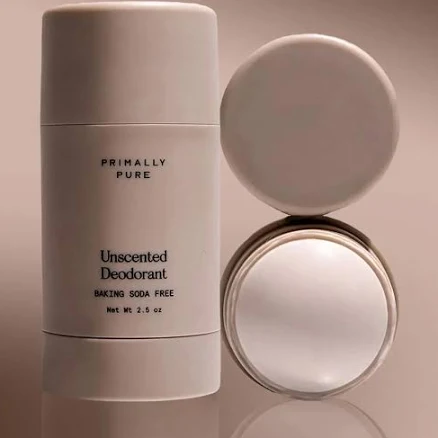
- mineral-based powder blend (arrowroot, magnesium hydroxide, mica)
- We found no PFAS statement from the brand
- Skin irritation from magnesium hydroxide alkalinity
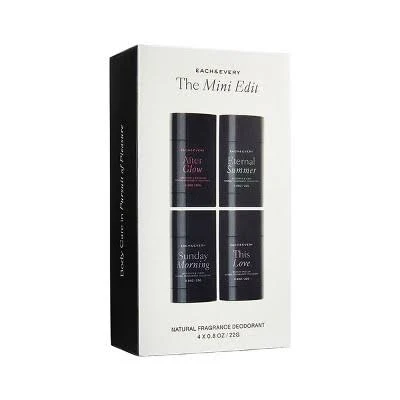
- cosmetic formulations, primary ingredients listed
- A third party reports verifying it as PFAS-free
- Fragrance allergens (natural essential oils)
2 hazards checked on this product, all on its full breakdown.
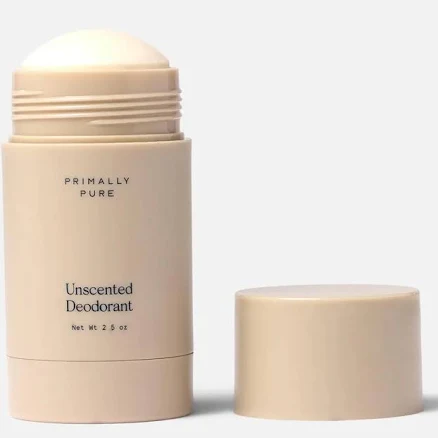
- natural mineral powders, plant-based actives, beeswax
- We found no PFAS statement from the brand
- Beeswax purity and contamination
2 hazards checked on this product, all on its full breakdown.
More deodorant grades
How we score, every product runs through the same public 0-100 rubric based on materials, coatings, brand disclosure, lab findings, and recalls. See the full methodology → Spotted a mistake? Report an error.