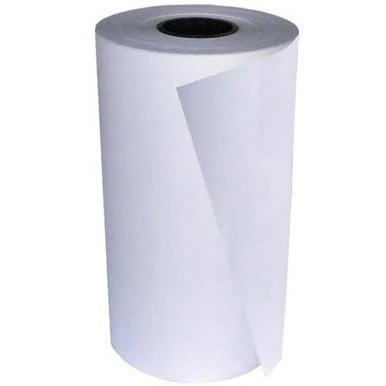
· Grease-Resistant Butcher & Deli Paper
Butcher Paper 18"
Butcher paper often uses mineral-oil or wax coatings, not fluorinated treatment, but brand doesn't disclose specifics.
Standard butcher paper typically uses grease-resistant coatings that are often mineral or wax-based rather than PFAS. The brand provides no public disclosure of coating chemistry, so contact the brand if concerned.
The better-graded swap
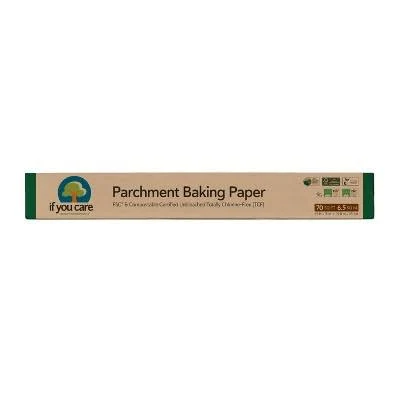
If You Care
If You Care Parchment Baking Sheets
90/100 safety
Same rubric that flunked this product. The swap earned Excellent.
Still want this one anyway? Check the price on Amazon. We’d swap it.
Material
Kraft paper with grease-resistant coating
Brand disclosure
Brand is silent on PFAS
Lab data
No public lab test
You may also be interested in
Top-graded picks in the categories readers replace first, every one scored on the same rubric.

- polypropylene filter housing, carbon/sediment cartridge
- We found no PFAS statement from the brand
- Bacterial growth in spent cartridges
3 hazards checked on this product, all on its full breakdown.

Aquasure
Premier Series 75 GPD Under Sink Reverse Osmosis Water Filtration System
- RO membrane, carbon filters, stainless steel housing
- We found no PFAS statement from the brand
- Bacterial and microbial growth in housing and filters
4 hazards checked on this product, all on its full breakdown.

Avocado
Vegan Mattress
- organic cotton, natural latex, coconut coir, recycled steel coils
- The brand calls it PFAS-free, which we have not verified
- Heavy metals
2 hazards checked on this product, all on its full breakdown.
What Butcher Paper 18" is made of, ingredients and materials
Butcher paper is kraft paper (cellulose fibers from wood pulp) with a grease-resistant coating, most likely mineral oil, wax, or silicone rather than fluorinated polymers. Kraft paper itself is food-safe; the coating's role is to block fat penetration and preserve meat during storage and display. The hazard profile depends entirely on the coating chemistry, which the brand does not publicly disclose. Non-fluorinated coatings (mineral oil, beeswax, or silicone) are generally recognized as safer than Teflon-type coating or fluorinated alternatives.
What’s concerning
Category baseline
The starting point for this type of product, before anything specific to this product is counted.
No PFAS disclosure
No public statement from the brand about PFAS in this product.
Waterproof / stain-resistant treatment
Water-repellent coating treatments have historically used PFAS.
Mineral oil or wax coating leaching
If the grease-resistant coating is mineral oil, prolonged contact with fatty meats may transfer trace amounts to food. Risk is minimal for normal storage periods (days to weeks); mineral oil itself is food-grade in many applications but ingestion in large quantities is not intended. The brand does not disclose coating type, so actual exposure cannot be quantified.
Ink or printing residue on outer surface
If the roll has printed branding or graphics, inks may contain heavy metals or organic solvents. Standard practice keeps printed side away from food contact, but migration is unlikely if the coating is intact. No specific testing of butcher paper inks is on record.
Microbial growth or contamination during storage
Paper is hygroscopic and can absorb moisture if stored in damp conditions, creating an environment for mold or bacterial growth on the roll surface. This is a storage issue, not a manufacturing hazard. Keep rolls in a cool, dry pantry or drawer away from steam and water splash.
What’s reassuring
Chlorine bleaching byproducts (dioxins) in kraft pulp
Kraft paper is typically manufactured with elemental chlorine-free (ECF) or totally chlorine-free (TCF) processes in modern mills. No public record of sourcing chlorine-bleached pulp; risk is minimal for food contact even if trace dioxins are present, as paper does not leach significantly into room-temperature foods.
Allergen cross-contact from shared production lines
The brand does not publicly disclose manufacturing sites or shared equipment with allergen-containing products. Risk is minimal for butcher paper (inert substrate), but no certification of allergen-free production is available.
How is this PFAS grade calculated?
The brand's record and disclosure
The brand is a regional supermarket chain (Midwest US) with no public sustainability or chemical disclosure policy on file for food-contact packaging materials. No recalls or safety controversies specific to their butcher paper have been documented. The brand does not advertise certification (FSC, chlorine-free, or coating transparency), which is typical for private-label commodity items. Without third-party testing or vendor certifications, transparency on coating composition remains opaque.
How it compares in its category
Standard butcher paper (kraft with grease-resistant coating) is the industry baseline for meat wrapping and poses lower hazard risk than plastic film alternatives, which carry microplastic and BPA/BPS concerns. Butcher paper avoids the off-gassing issues of plastisols and does not require heat-seal activation. Uncoated kraft paper exists but performs poorly for moist meat; the coating is a practical necessity. Butcher paper sits in the typical range for regional grocery brands and carries no distinguishing safety advantage or disadvantage versus store-brand alternatives.
If you buy it
Use as intended for wrapping raw and cooked meats in refrigerator or freezer; no heating or microwave use is appropriate for any butcher paper. Check the coating surface for tears or moisture penetration before wrapping; discard rolls if the paper becomes damp or discolored. Replace rolls every 1-2 years if stored in humid kitchen conditions, as the coating can degrade and lose grease resistance. Keep away from direct flame or oven walls to prevent ignition (paper is combustible).
What is not known about PFAS in this product?
- Basis
- Model estimate, 62% confidence, not a lab result
- Lab test
- None on record for this exact product
- Brand statement
- has made none
Formulations change between production runs, so check the current label. How we grade.
What are the PFAS-free alternatives to Butcher Paper 18"?
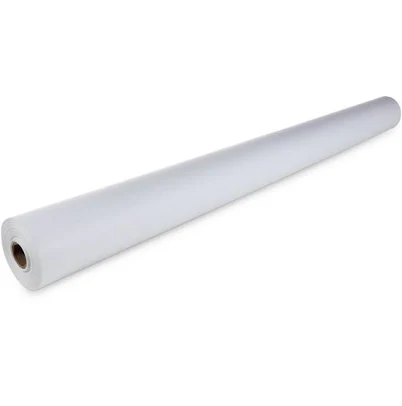
IDL Packaging
White Butcher Paper 18" x 12000" Natural Butcher Paper Roll for Meat and Fish
- unbleached natural kraft paper
- The brand calls it PFAS-free, which we have not verified
- Mold or microbial growth
- unbleached parchment paper, silicone coating
- The brand calls it PFAS-free, which we have not verified
- Silicone coating degradation under heat stress
2 hazards checked on this product, all on its full breakdown.
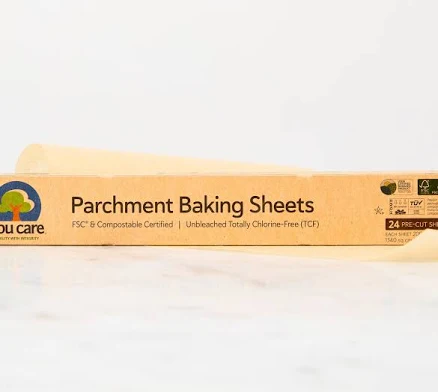
- Silicone-coated parchment paper
- The brand calls it PFAS-free, which we have not verified
- Silicone coating degradation at high heat
More grease-resistant butcher & deli paper grades
How we score, every product runs through the same public 0-100 rubric based on materials, coatings, brand disclosure, lab findings, and recalls. See the full methodology → Spotted a mistake? Report an error.