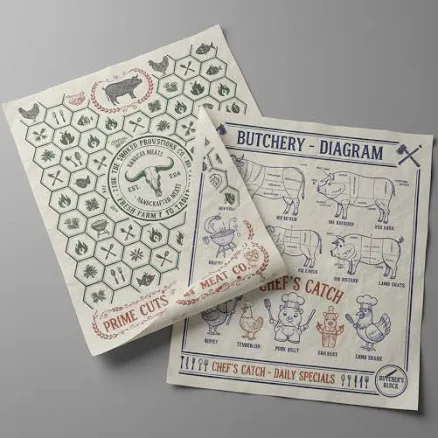
· Grease-Resistant Butcher & Deli Paper
Butcher Packaging Paper
Avoid until brand discloses coating chemistry and testing results.
The brand' butcher paper typically features grease-resistant coatings that may contain PFAS. The brand provides no public disclosure of coating type or testing results.
The better-graded swap
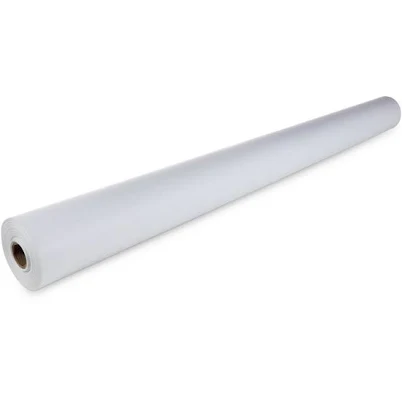
IDL Packaging
Idl Packaging White Butcher Paper 18" x 12000" Natural Butcher Paper Roll for Meat and Fish
95/100 safety
Same rubric that flunked this product. The swap earned Excellent.
Still want this one anyway? Check the price on Amazon. We’d swap it.
Material
Paper with grease-resistant coating, unspecified
Brand disclosure
Brand is silent on PFAS
Lab data
No public lab test
You may also be interested in
Top-graded picks in the categories readers replace first, every one scored on the same rubric.

- polypropylene filter housing, carbon/sediment cartridge
- We found no PFAS statement from the brand
- Bacterial growth in spent cartridges
3 hazards checked on this product, all on its full breakdown.

Aquasure
Premier Series 75 GPD Under Sink Reverse Osmosis Water Filtration System
- RO membrane, carbon filters, stainless steel housing
- We found no PFAS statement from the brand
- Bacterial and microbial growth in housing and filters
4 hazards checked on this product, all on its full breakdown.

Avocado
Vegan Mattress
- organic cotton, natural latex, coconut coir, recycled steel coils
- The brand calls it PFAS-free, which we have not verified
- Heavy metals
2 hazards checked on this product, all on its full breakdown.
What Butcher Packaging Paper is made of, ingredients and materials
Butcher packaging paper is cellulose-based with an unspecified grease-resistant coating applied to one or both sides. The coating's chemistry is the critical unknown, it may contain fluorochemicals (PFAS), silicones, or other hydrophobic compounds to repel meat oils and moisture. Paper itself is food-safe, but the coating determines whether leaching or vapor risk occurs during storage or contact with warm fatty foods.
What’s concerning
Category baseline
The starting point for this type of product, before anything specific to this product is counted.
No PFAS disclosure
No public statement from the brand about PFAS in this product.
Waterproof / stain-resistant treatment
Water-repellent coating treatments have historically used PFAS.
PFAS
Grease-resistant coatings on food-contact paper commonly used fluorochemicals historically; The brand does not disclose coating type. PFAS content cannot be ruled out without supplier testing or certification.
Source, ATSDR ↗Coating leaching into fatty foods
Unknown coating chemistry means unknown migration risk. Fatty meats and oils can solubilize coating compounds; risk is highest with warm or long-duration contact.
What’s reassuring
Microplastic or polymer particle shedding
Paper-based butcher paper does not shed microplastics in the way plastic films do. Coating degradation may release polymeric particles, but no published data on product exists.
Ink or adhesive contamination
Printed logos or text on butcher paper packaging are not typically food-contact surfaces. No recalls or hazard reports for branding are on record.
Bacterial growth from improper storage
Paper itself does not promote bacterial growth if kept dry and cool. Risk is user-dependent (temperature control, package integrity), not product-specific.
How is this PFAS grade calculated?
The brand's record and disclosure
The brand does not publicly disclose the composition of its grease-resistant coating or provide testing data for PFAS or other coating constituents. No published certifications (e.g., FDA food-contact approval letters, third-party coating analysis) are available in open sources. The brand's silence on coating chemistry is typical of many regional butcher-supply manufacturers but represents a material information gap for safety assessment.
How it compares in its category
Butcher paper alternatives include uncoated kraft (lower risk but less grease protection), wax-coated paper (older standard, transparency on wax type varies), and certified PFAS-free or silicone-coated options from larger suppliers. Occupies the middle ground, functional grease resistance without disclosed ingredient safety, making it harder to rank than brands offering third-party verification or public coating specifications.
If you buy it
Limit use to cold storage (refrigerator, freezer) where coating leaching risk is minimal. Avoid direct contact with warm or room-temperature fatty meats for extended periods; use plastic or ceramic for temporary wrapping of warm foods. Replace paper rolls every 6-12 months regardless of visible condition, as coating degradation is not visually obvious. Do not use for hot food contact, smoking prep, or oven storage.
What is not known about PFAS in this product?
- Basis
- Model estimate, 35% confidence, not a lab result
- Lab test
- None on record for this exact product
- Brand statement
- has made none
Formulations change between production runs, so check the current label. How we grade.
What are the PFAS-free alternatives to Butcher Packaging Paper?
IDL Packaging
White Butcher Paper 18" x 12000" Natural Butcher Paper Roll for Meat and Fish
- unbleached natural kraft paper
- The brand calls it PFAS-free, which we have not verified
- Mold or microbial growth
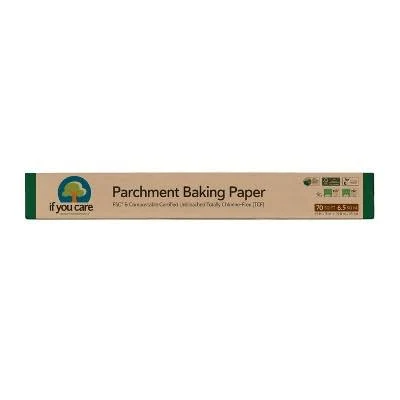
- unbleached parchment paper, silicone coating
- The brand calls it PFAS-free, which we have not verified
- Silicone coating degradation under heat stress
2 hazards checked on this product, all on its full breakdown.
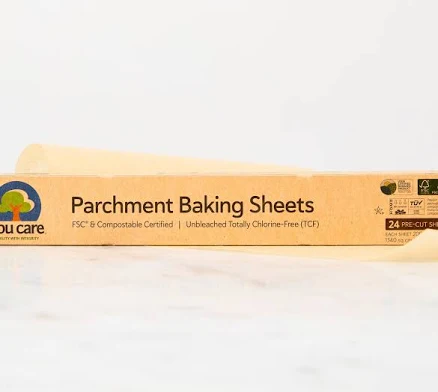
- Silicone-coated parchment paper
- The brand calls it PFAS-free, which we have not verified
- Silicone coating degradation at high heat
More grease-resistant butcher & deli paper grades
How we score, every product runs through the same public 0-100 rubric based on materials, coatings, brand disclosure, lab findings, and recalls. See the full methodology → Spotted a mistake? Report an error.