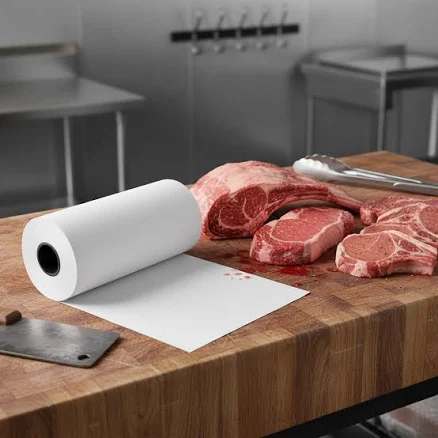
· Grease-Resistant Butcher & Deli Paper
The Brenmar Company White Butcher Paper 18" x 1000'
Butcher paper with grease-resistant coating presents PFAS concern.
Material as recorded is bleached kraft paper, likely with grease-resistant coating. water-repellent coating treatments have historically used PFAS. The brand has no PFAS statement on record.
The better-graded swap
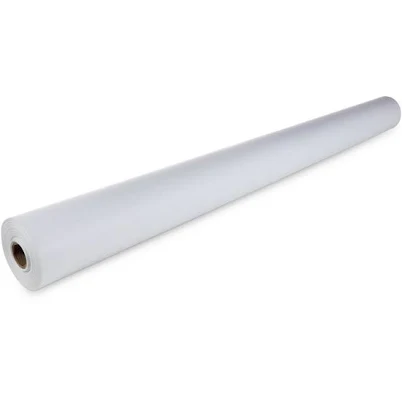
IDL Packaging
Idl Packaging White Butcher Paper 18" x 12000" Natural Butcher Paper Roll for Meat and Fish
95/100 safety
Same rubric that flunked this product. The swap earned Excellent.
Still want this one anyway? Check the price on Amazon. We’d swap it.
Material
Bleached kraft paper, likely with grease-resistant coating
Brand disclosure
Brand is silent on PFAS
Lab data
No public lab test
You may also be interested in
Top-graded picks in the categories readers replace first, every one scored on the same rubric.

- polypropylene filter housing, carbon/sediment cartridge
- We found no PFAS statement from the brand
- Bacterial growth in spent cartridges
3 hazards checked on this product, all on its full breakdown.

Aquasure
Premier Series 75 GPD Under Sink Reverse Osmosis Water Filtration System
- RO membrane, carbon filters, stainless steel housing
- We found no PFAS statement from the brand
- Bacterial and microbial growth in housing and filters
4 hazards checked on this product, all on its full breakdown.

Avocado
Vegan Mattress
- organic cotton, natural latex, coconut coir, recycled steel coils
- The brand calls it PFAS-free, which we have not verified
- Heavy metals
2 hazards checked on this product, all on its full breakdown.
What The Brenmar Company White Butcher Paper is made of, ingredients and materials
This is bleached kraft paper, the industry standard for butcher and deli wrapping. The grease-resistant coating is the critical unknown, it is most likely a fluorochemical or silicone-based treatment applied to resist fat and moisture penetration. No public testing or certification data on Brenmar/products specifies which coating technology is used. This coating can migrate into fatty foods under normal storage and handling, particularly if paper contacts warm or oily meat products.
What’s concerning
Category baseline
The starting point for this type of product, before anything specific to this product is counted.
No PFAS disclosure
No public statement from the brand about PFAS in this product.
Waterproof / stain-resistant treatment
Water-repellent coating treatments have historically used PFAS.
PFAS
Grease-resistant coatings on food-contact paper commonly contain PFAS (perfluorinated compounds) to repel fats and moisture. No public testing or vendor certification exists for this specific Brenmar product; coating chemistry is undisclosed. Migration risk is highest with fatty foods, warm storage, and prolonged contact.
Source, ATSDR ↗Coating degradation and microparticle shedding
Grease-resistant coatings can degrade or peel with age, humidity, or mechanical stress, potentially shedding microscopic particles into wrapped foods. No specific degradation data exists for this product. Inspect rolls for visible wear, cracking, or flaking before use; discard damaged stock.
What’s reassuring
Bleach residues and chlorine compounds
Bleached kraft paper is subject to FDA food-contact regulations (21 CFR 176.180); commercial bleaching processes are controlled. No specific safety alerts or contamination reports are on record for Brenmar butcher paper. Standard bleaching (hypochlorite or chlorine dioxide) does not leave harmful residues if manufacturing meets FDA guidelines.
Dioxins from chlorine bleaching
Modern kraft paper bleaching in regulated facilities produces negligible dioxin levels well below food-contact safety thresholds. No recalls or testing failures are documented for the brand or similar commodity butcher papers. Risk is theoretical and falls below actionable consumer concern for standard use.
Heavy metals
FDA-regulated bleaching does not introduce lead, cadmium, or other heavy metals into finished paper at harmful levels. No safety warnings or test failures are on record for butcher paper in this category. Compliance is routine for commercial manufacturers.
Source, FDA ↗How is this PFAS grade calculated?
The brand's record and disclosure
The brand has no publicly available material safety documentation, PFAS commitment statement, or third-party certifications for this product line. The company does not disclose coating composition on packaging or websites reviewed. This silence is typical of smaller foodservice suppliers but leaves end-users unable to verify PFAS-free or fluorochemical-free claims. No recalls or safety incidents are recorded for this specific product.
How it compares in its category
Standard bleached butcher paper across brands (Deli Paper, uncoated kraft rolls, and competitor products) carries the same uncertainty unless labeled PFOA/PFAS-free. Uncoated kraft paper eliminates coating risk but offers no grease barrier. Certified options exist (some European and specialty brands advertise fluorochemical-free coatings), but cost more and are less widely stocked. This product is a mid-market choice that trades convenience for transparency.
If you buy it
Store rolls in a cool, dry place away from direct heat or sunlight; high temperatures can accelerate coating migration into fatty foods. Use for wrapping and short-term storage (under 2 weeks refrigerated) of deli meats, butcher cuts, and cheeses. Avoid prolonged contact with hot foods or high-fat items like bacon or fatty cuts; transfer to sealed containers for storage instead. Do not use for direct contact with foods during heating (oven, microwave, or steaming). Replace rolls every 12-18 months if stored; paper degrades and can shed fibers.
What is not known about PFAS in this product?
- Basis
- Model estimate, 45% confidence, not a lab result
- Lab test
- None on record for this exact product
- Brand statement
- has made none
Formulations change between production runs, so check the current label. How we grade.
What are the PFAS-free alternatives to The Brenmar Company White Butcher Paper 18" x 1000'?
IDL Packaging
White Butcher Paper 18" x 12000" Natural Butcher Paper Roll for Meat and Fish
- unbleached natural kraft paper
- The brand calls it PFAS-free, which we have not verified
- Mold or microbial growth
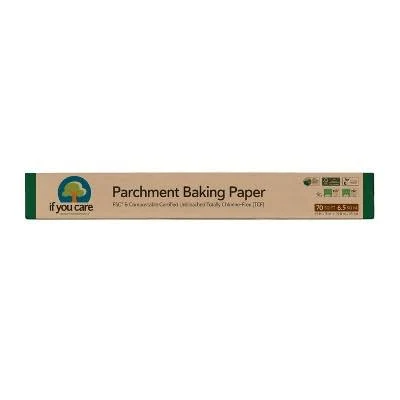
- unbleached parchment paper, silicone coating
- The brand calls it PFAS-free, which we have not verified
- Silicone coating degradation under heat stress
2 hazards checked on this product, all on its full breakdown.
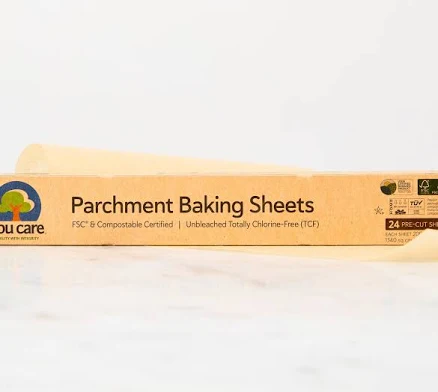
- Silicone-coated parchment paper
- The brand calls it PFAS-free, which we have not verified
- Silicone coating degradation at high heat
More grease-resistant butcher & deli paper grades
How we score, every product runs through the same public 0-100 rubric based on materials, coatings, brand disclosure, lab findings, and recalls. See the full methodology → Spotted a mistake? Report an error.