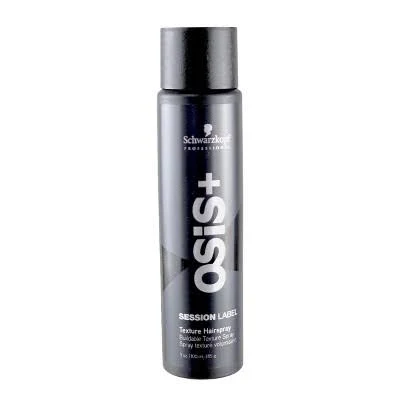
Schwarzkopf Osis+ Session Label Texture Hairspray
No public PFAS risk signals, but aerosol cosmetics lack ingredient transparency; skip if PFAS avoidance matters.
This conventional aerosol carries no disclosed PFAS-relevant ingredients or certifications. Hairsprays rarely intentionally use PFAS, yet the brand provides no ingredient detail or verification.
The better-graded swap
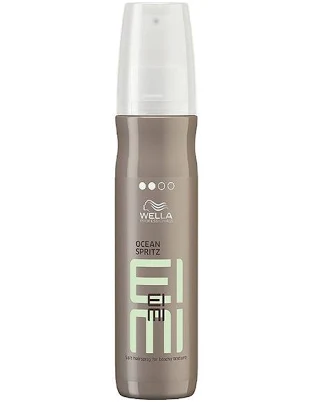
Wella
Wella EIMI Ocean Spritz
75/100 safety
Same rubric that flunked this product. The swap earned Excellent.
Still want this one anyway? Check the price on Amazon. We’d swap it.
Material
aerosol hairspray (propellant, resins, solvents unspecified)
Brand disclosure
Brand is silent on PFAS
Lab data
No public lab test
You may also be interested in
Top-graded picks in the categories readers replace first, every one scored on the same rubric.

- polypropylene filter housing, carbon/sediment cartridge
- We found no PFAS statement from the brand
- Bacterial growth in spent cartridges
3 hazards checked on this product, all on its full breakdown.

Aquasure
Premier Series 75 GPD Under Sink Reverse Osmosis Water Filtration System
- RO membrane, carbon filters, stainless steel housing
- We found no PFAS statement from the brand
- Bacterial and microbial growth in housing and filters
4 hazards checked on this product, all on its full breakdown.

Avocado
Vegan Mattress
- organic cotton, natural latex, coconut coir, recycled steel coils
- The brand calls it PFAS-free, which we have not verified
- Heavy metals
2 hazards checked on this product, all on its full breakdown.
What Schwarzkopf Osis+ Session Label Hairspray is made of, ingredients and materials
Schwarzkopf Osis+ Session Label is an aerosol hairspray, meaning it contains polymeric resins (likely acrylate-based) dissolved in volatile organic solvents, plus a propellant gas to atomize the product. The exact propellant and solvent names are not publicly disclosed on standard product labeling, which is typical but limits transparency on inhalation risk. Aerosol hairsprays work by fine particle suspension, so repeated inhalation of solvent vapors and resin particles is the primary exposure route during and shortly after application.
What’s concerning
Category baseline
The starting point for this type of product, before anything specific to this product is counted.
No PFAS disclosure
No public statement from the brand about PFAS in this product.
Volatile Organic Compound (VOC) inhalation
Aerosol hairsprays contain solvents (typically alcohols, hydrocarbons, or esters) that evaporate during and after spraying. Repeated or poorly ventilated use may cause dizziness, headache, or respiratory irritation; exact solvent composition is not disclosed for this product.
Resin particle inhalation
The polymeric resins that provide hold are atomized into fine aerosol particles that can be inhaled deep into lung tissue. Chronic exposure data for cosmetic-grade resins is limited; occupational exposure in beauty salons has been associated with airway inflammation.
Fragrance allergens
Hairsprays typically contain fragrance compounds to mask solvent odor. No specific allergen disclosure is available; individuals with fragrance sensitivity or asthma may experience irritation upon inhalation or scalp contact.
What’s reassuring
Base material not linked to PFAS
The main material recorded for this product is not one associated with PFAS.
Propellant gas inhalation
Modern aerosol hairsprays typically use hydrofluorocarbon (HFC) or hydrocarbon propellants (isobutane, propane). These are not ozone-depleting and are inert at cosmetic doses, but high-concentration exposure from misuse (intentional huffing) poses cardiac and neurological risk; normal use poses no known hazard.
Formaldehyde / VOCs
No public ingredient disclosure allows confirmation of preservative type; if formaldehyde-releasing preservatives are used, aerosol delivery minimizes skin contact but inhalation may introduce small amounts. This is not reported as a concern for this product.
Source, ATSDR ↗How is this PFAS grade calculated?
The brand's record and disclosure
Schwarzkopf (owned by Henkel) has not publicly committed to PFAS phase-out or posted detailed ingredient breakdowns for this product line. The brand does not carry major third-party certifications (e.g., EWG Verified, Clean Beauty) for this aerosol product. No recalls or safety warnings specific to Osis+ Session Label texture hairspray are on record in major regulatory databases. Henkel's overall safety record is standard for large cosmetics manufacturers without notable recent controversies in haircare.
How it compares in its category
Aerosol hairsprays as a class pose similar inhalation and solvent exposure risks; Osis+ Session Label sits in the mid-market segment with no distinctive hazard profile versus competitors like L'Oreal Infallible or Tresemmé. Non-aerosol pump and solid stick hairsprays eliminate propellant and reduce volatile solvent exposure, lowering concern if inhalation is a concern. This product is not marketed as hypoallergenic, water-based, or low-VOC, so it carries typical formulation risks of conventional styling products.
If you buy it
Apply in a well-ventilated area (open window or bathroom fan on) to minimize inhalation of solvent vapors and fine particles. Do not spray near face or eyes; use light, short bursts rather than prolonged application. Store in a cool, dry place away from heat sources and direct sunlight to prevent propellant pressure buildup. Replace the can when it no longer sprays effectively; do not attempt to refill or puncture the aerosol container. Pregnant individuals or those with respiratory sensitivity should consider non-aerosol alternatives.
What is not known about PFAS in this product?
- Basis
- Model estimate, 35% confidence, not a lab result
- Lab test
- None on record for this exact product
- Brand statement
- Schwarzkopf has made none
Formulations change between production runs, so check the current label. How we grade.
More hair spray grades
How we score, every product runs through the same public 0-100 rubric based on materials, coatings, brand disclosure, lab findings, and recalls. See the full methodology → Spotted a mistake? Report an error.