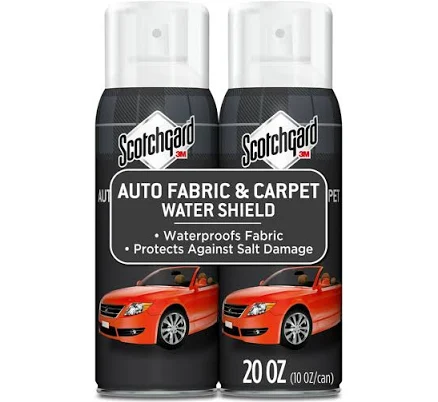
Scotchgard · Fabric Stain Guard Sprays
Scotchgard Auto Interior Fabric & Carpet Protector
High PFAS risk; skip until Scotchgard discloses ingredient transparency.
Undisclosed proprietary polymer coating designed for water and stain resistance. Brand neither confirms nor denies PFAS use in this product.
Still want this one anyway? Check the price on Amazon. We’d swap it.
Material
Proprietary polymer coating/treatment
Lab data
No public lab test
What Scotchgard Auto Interior Fabric & Carpet is made of, ingredients and materials
Scotchgard Auto Interior Fabric & Carpet Protector is a proprietary polymer-based coating applied as a liquid spray or aerosol treatment. The formulation bonds to fabric fibers to repel water and oils. Scotchgard historically relied on perfluorinated compounds (PFCs/PFAS) as the active stain-resistant agent; current product labeling does not disclose the full chemical composition, leaving uncertainty whether reformulation has occurred. The coating creates a microscopic barrier layer that persists through cleaning cycles.
What’s concerning
Category baseline
The starting point for this type of product, before anything specific to this product is counted.
Vague safety claims only
Uses vague language ("eco-friendly", "clean") without a specific PFAS statement.
Waterproof / stain-resistant treatment
Water-repellent coating treatments have historically used PFAS.
Volatile Organic Compounds (VOC) and solvent fumes
Spray and aerosol formulations release solvents (typically aliphatic hydrocarbons or isobutane propellants) during application. Inhalation of fumes can cause respiratory irritation, headache, and dizziness; adequate ventilation is essential. Closed-space application (car interior without doors open) significantly increases exposure risk.
Coating degradation and microparticle release
Over time, repeated cleaning and UV exposure may cause the polymer coating to break down or flake. Microscopic polymer particles could become airborne or ingested if present in dust on high-contact surfaces (steering wheel, seats). No long-term shedding or microparticle study is publicly available for this product.
Skin and eye sensitization (application exposure)
Direct contact with wet product can cause irritation or allergic sensitization in some users. The propellants and solvents are primary irritants; fragrance or other additives may also trigger reactions. Product labeling recommends avoiding direct contact but does not list specific allergens.
PFAS
If this product contains PFAS (high probability based on brand history and lack of reformulation disclosure), treated fabrics will off-gas or shed PFAS compounds into vehicle air and may contaminate household dust. PFAS are persistent, bioaccumulative, and linked to health effects; exposure accumulates over time and is difficult to eliminate once introduced.
Source, ATSDR ↗What’s reassuring
Flame retardants
No public disclosure of flame retardant use in this specific product. Automotive interior treatments are not federally mandated to contain flame retardants in the United States, but some formulations may include them. Current labeling does not confirm or exclude their presence.
Source, EPA ↗The full breakdown
The brand's record and disclosure
3M (Scotchgard's parent) has faced ongoing scrutiny for PFAS use in consumer products since the early 2000s. The company has not publicly committed to phasing out PFAS in automotive protectants and maintains minimal ingredient transparency for this category. No third-party certification (e.g., OEKO-TEX, Bluesign) is claimed for this product. Several major environmental and consumer health organizations have documented Scotchgard stain protectants as PFAS sources in household dust and indoor air.
How it compares in its category
Most automotive interior protectants still rely on fluorinated chemistry for water/oil repellency; non-fluorinated alternatives exist but are less common and often less durable. Ceramic-based or hydrocarbon-only coatings avoid PFAS but typically require more frequent reapplication. Scotchgard's brand dominance means widespread use; competitor products (Armor All, Zymol, some eco-labeled options) offer varying PFAS risk profiles but are not universally lower-hazard. Professional application services sometimes use reformulated variants that brands market as not containing PFAS, which are not available to consumers.
If you buy it
Apply only in well-ventilated spaces (outdoors or open garage) to minimize inhalation of aerosol or solvent fumes. Avoid contact with skin and eyes; wear gloves and eye protection. Allow full curing (typically 24 hours) before vehicle use. Reapply every 6-12 months depending on exposure and cleaning frequency. Do not use on leather or delicate trim without testing inconspicuously first; some formulations may darken or alter texture. Consider requesting MSDS/SDS from retailer or manufacturer for current ingredient disclosure before purchase.
What we don’t know
- Basis
- Model estimate, 45% confidence, not a lab result
- Lab test
- None on record for this exact product
- Brand statement
- Scotchgard has made a specific claim
Formulations change between production runs, so check the current label. How we grade.
Better-graded alternatives in Fabric Stain Guard Sprays
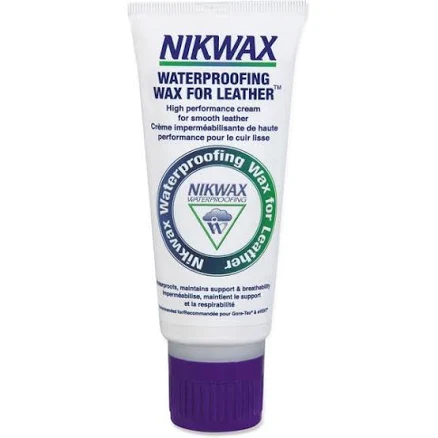
Nikwax
Waterproofing Wax for Leather
- wax-based waterproofing
- The brand calls it PFAS-free, which we have not verified
- Respiratory irritation or fume inhalation during application
2 hazards checked on this product. See all of them.
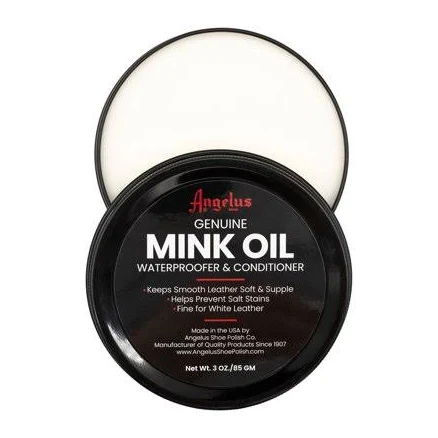
Angelus
Mink Oil Paste Leather Waterproofer and Contitioner 3 oz
- mink oil paste, natural oil-based conditioner
- We found no PFAS statement from the brand
- Microbial growth (natural oil rancidity)
2 hazards checked on this product. See all of them.
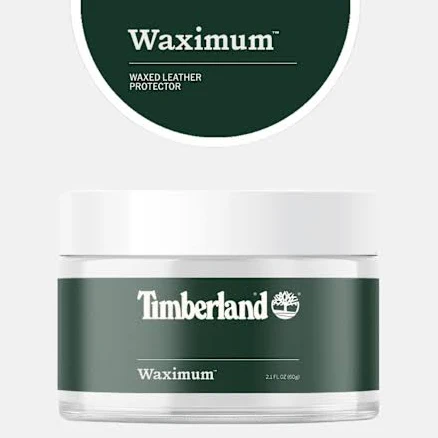
Timberland
Waximum Waxed Leather Protector
- Wax-based leather protector
- We found no PFAS statement from the brand
- Volatile organic compounds (VOCs) from solvents
3 hazards checked on this product. See all of them.
More fabric stain guard sprays grades
How we score, every product runs through the same public 0-100 rubric based on materials, coatings, brand disclosure, lab findings, and recalls. See the full methodology → Spotted a mistake? Report an error.