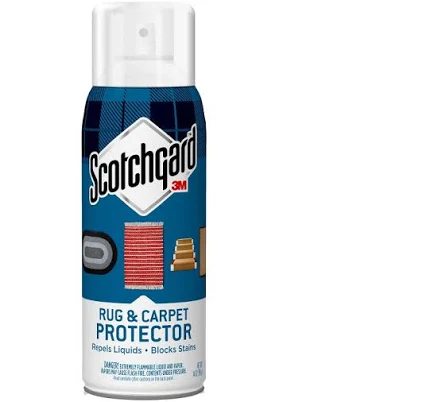
Scotchgard Carpet & Rug Protector
High PFAS risk. 3M/Scotchgard historically used PFOA; current formula unclear.
Scotchgard carpet treatments historically contained PFOA-based fluorochemicals. 3M has not publicly disclosed PFAS content in current formulations or committed to PFAS-free status. No independent lab testing data available for this product.
The better-graded swap
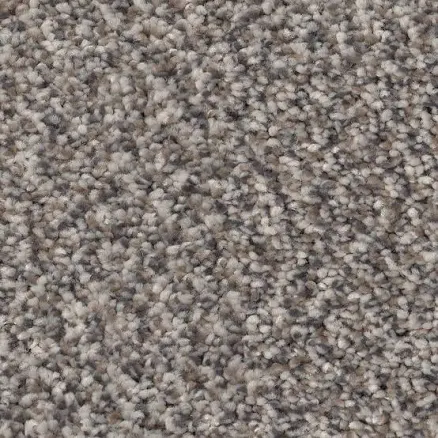
Style Selections
Style Selections 8-in x 8-in Hideaway II 39-oz sq yard Polyester Textured Indoor Carpet
75/100 safety
Same rubric that flunked this product. The swap earned Excellent.
Still want this one anyway? Check the price on Amazon. We’d swap it.
Material
Proprietary fluorochemical or hydrocarbon-based carpet protectant coating
Lab data
No public lab test
You may also be interested in
Top-graded picks in the categories readers replace first, every one scored on the same rubric.

- polypropylene filter housing, carbon/sediment cartridge
- We found no PFAS statement from the brand
- Bacterial growth in spent cartridges
3 hazards checked on this product, all on its full breakdown.

Aquasure
Premier Series 75 GPD Under Sink Reverse Osmosis Water Filtration System
- RO membrane, carbon filters, stainless steel housing
- We found no PFAS statement from the brand
- Bacterial and microbial growth in housing and filters
4 hazards checked on this product, all on its full breakdown.

Avocado
Vegan Mattress
- organic cotton, natural latex, coconut coir, recycled steel coils
- The brand calls it PFAS-free, which we have not verified
- Heavy metals
2 hazards checked on this product, all on its full breakdown.
What Scotchgard Carpet & Rug Protector is made of, ingredients and materials
Scotchgard Carpet & Rug Protector is a liquid fluorochemical or hydrocarbon-based topical coating designed to repel water and oil stains on carpet fibers. The proprietary formula is applied as a fine spray mist that adheres to fiber surfaces. 3M has historically relied on PFOA-based chemistries in carpet protectants, though the current formula's exact composition is not transparently disclosed, making it difficult to assess whether reformulation has occurred or PFOA analogs remain present.
What’s concerning
Waterproof / stain-resistant treatment
Water-repellent coating treatments have historically used PFAS.
Vague safety claims only
Uses vague language ("eco-friendly", "clean") without a specific PFAS statement.
Category baseline
The starting point for this type of product, before anything specific to this product is counted.
Volatile organic compounds (VOC) and inhalation exposure during application
Spray-applied carpet protectants inherently release solvent vapors during and shortly after application. Scotchgard product labels recommend ventilation, confirming VOC presence; prolonged inhalation may cause respiratory irritation, headache, or dizziness in sensitive individuals or poorly ventilated spaces.
PFAS
Even if reformulated away from PFOA, proprietary fluorochemical replacements may still off-gas or volatilize over time, particularly when carpet is heated (sunlight, hot water cleaning, underfloor heating). Long-term chronic low-level exposure is not well-studied in consumer settings.
Source, ATSDR ↗Microparticle shedding from degraded coating
Over time, topical carpet coatings can degrade into small fragments that become airborne or settle as dust. Inhalation of coating particles, particularly during vacuuming, may occur; respiratory or irritant effects are not formally documented but represent a plausible exposure route for household members.
Accumulation in household dust and secondary dermal/ingestion exposure
Fluorochemical carpet treatments are documented in scientific literature to migrate into household dust, where children and pets may encounter them via hand-to-mouth contact or dust inhalation. This route is particularly concerning for PFAS components, but also applies to any residual proprietary chemical coating.
Lack of long-term safety monitoring post-reformulation
3M has not published peer-reviewed data on the safety profile of current Scotchgard formulations. If reformulation has occurred, no public commitment to independent testing or third-party verification exists, leaving potential substitution chemicals unvetted by external standards.
How is this PFAS grade calculated?
The brand's record and disclosure
3M/Scotchgard has faced substantial scrutiny over PFOA contamination in carpet treatments and other fluorochemical products, with litigation and regulatory settlements documented. The brand has not publicly committed to PFAS-free formulations or published third-party testing of current products. No formal certifications (Cradle to Cradle, GOTS, or equivalent textile-protection standards) are marketed, and ingredient lists remain proprietary, limiting independent verification of safety improvements.
How it compares in its category
Scotchgard is the market-leading consumer carpet protectant; alternatives include generic hydrocarbon-based sprays, enzyme-based or plant-derived stain guards (less durable but lower chemical burden), and non-chemical options like wool-based or high-quality nylon carpets with built-in stain resistance. Most mainstream brands (Clorox-owned, store brands) also use fluorochemical or hydrocarbon bases, so categorical avoidance is difficult without selecting premium pre-treated carpets or wool alternatives upfront.
If you buy it
Apply only in well-ventilated spaces (open windows, outdoor use preferred) to minimize inhalation of spray mist and volatile carriers. Avoid breathing spray directly and keep children and pets out of treated areas for at least 4-6 hours post-application. Do not apply to areas where infants crawl or young children have mouth contact. Reapply every 12-18 months as directed; worn or degraded coatings may shed microparticles, so regular vacuuming with HEPA filtration is advised.
What is not known about PFAS in this product?
- Basis
- Model estimate, 45% confidence, not a lab result
- Lab test
- None on record for this exact product
- Brand statement
- Scotchgard has made a specific claim
Formulations change between production runs, so check the current label. How we grade.
What are the PFAS-free alternatives to Scotchgard Carpet & Rug Protector?
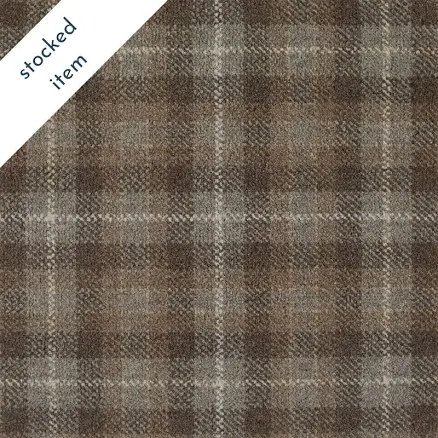
- wool plaid, Axminster weave
- We found no PFAS statement from the brand
- Formaldehyde / VOCs
4 hazards checked on this product, all on its full breakdown.
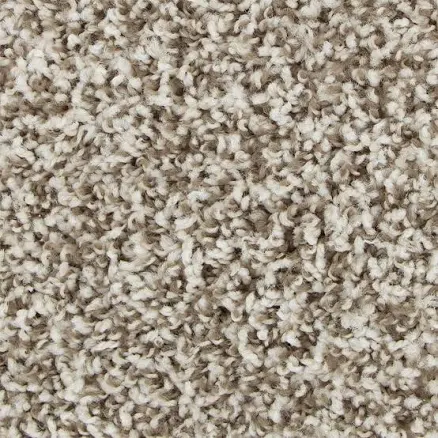
- polyester fiber, untreated
- We found no PFAS statement from the brand
- Formaldehyde / VOCs
4 hazards checked on this product, all on its full breakdown.
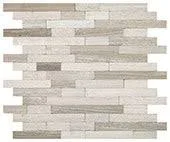
- Ceramic tile, porcelain, or stone composite
- We found no PFAS statement from the brand
- Volatile Organic Compounds (VOCs) from installation adhesives and grout
4 hazards checked on this product, all on its full breakdown.
More carpets & rugs grades
How we score, every product runs through the same public 0-100 rubric based on materials, coatings, brand disclosure, lab findings, and recalls. See the full methodology → Spotted a mistake? Report an error.