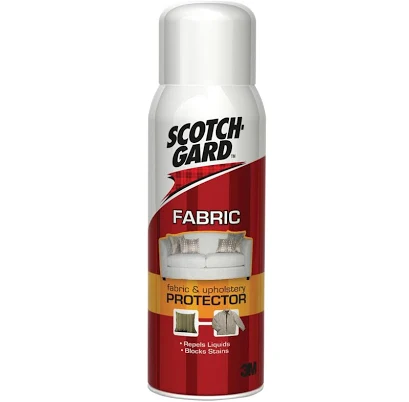
Scotchgard · Fabric Stain Guard Sprays
Scotchgard Fabric & Upholstery Protector
Avoid until Scotchgard reveals PFAS ingredients or confirms their absence.
Scotchgard applies a proprietary protectant coating using undisclosed fluorochemicals for water and stain resistance. Historical Scotchgard products contained PFOA, and current formulation remains secret.
Still want this one anyway? Check the price on Amazon. We’d swap it.
Material
Proprietary fabric protectant coating, unspecified fluorochemical base
Lab data
No public lab test
What Scotchgard Fabric & Upholstery Protector is made of, ingredients and materials
Scotchgard Fabric & Upholstery Protector uses a proprietary fluorochemical coating designed to repel water and oil stains on textiles. The fluorochemical base almost certainly contains PFAS "forever chemicals" (PFAS), which are synthetic compounds known to accumulate in the body and environment because they do not break down. 3M has not publicly disclosed the specific PFAS ingredients or their concentrations, making independent safety assessment impossible. The mechanism of stain resistance depends on fluorine-carbon bonds that persist indefinitely in fabric and can leach into skin or household dust.
What’s concerning
Category baseline
The starting point for this type of product, before anything specific to this product is counted.
Vague safety claims only
Uses vague language ("eco-friendly", "clean") without a specific PFAS statement.
Waterproof / stain-resistant treatment
Water-repellent coating treatments have historically used PFAS.
PFAS
Fluorochemical formulation is designed to be durable and water-resistant, which means PFAS will not degrade in fabric, home dust, or sewage. Inhalation during application and skin contact with treated upholstery are primary exposure routes; PFAS accumulates in blood over time and has been linked to immune suppression, thyroid disease, and developmental effects in children.
Source, ATSDR ↗Inhalation risk from spray application
Aerosol application can generate respirable droplets and volatilized fluorochemical compounds. Users with asthma, chemical sensitivities, or pregnancy may face elevated risk; the label does not provide guidance on application windows or respiratory protection recommendations.
Lack of ingredient transparency and traceability
Proprietary formula disclosure is not available to consumers or health professionals, preventing informed risk assessment and precluding medical decision-making in households with immunocompromised members. 3M's pattern of PFAS-related litigation raises trust concerns about undisclosed reformulation or contaminants.
Leaching into skin and household dust
Direct contact with treated upholstery (especially prolonged sitting, child play on treated furniture) may result in dermal PFAS transfer. Fluorochemicals can accumulate in household dust through wear and friction; inhalation of dust is a secondary exposure route not addressed in product guidance.
Wastewater and ecosystem contamination
PFAS on fabric will leach during washing and end up in wastewater treatment systems, which do not remove PFAS. These compounds then contaminate drinking water supplies and aquatic ecosystems; many US communities now detect Scotchgard-type fluorochemicals in municipal water at parts-per-trillion levels.
The full breakdown
The brand's record and disclosure
3M (Scotchgard's parent) has faced multiple lawsuits and regulatory scrutiny over PFAS contamination from legacy products, settling cases in Minnesota, Alabama, and other states without admitting liability. The company has not committed to phasing out PFAS in Scotchgard despite growing state restrictions (e.g., Vermont, Maine, California) on PFAS in textiles and food contact materials. No independent third-party certification (e.g., Cradle to Cradle, Oeko-Tex) appears on this product label. The silence on ingredients is the default position of the stain-protection market, but it is not acceptable given public health evidence.
How it compares in its category
Most fabric protectants sold at retail level contain PFAS; wax and silicone-based alternatives exist but offer weaker water repellency and shorter durability. Some brands (e.g., Nikwax, certain eco-focused suppliers) have switched to non-fluorinated chemistry or disclosed their PFAS use. Scotchgard remains the market leader and has made no public commitment to reformulation, so it occupies the riskiest tier of the category. Consumers prioritizing PFAS avoidance have limited certified alternatives; rental/professional-grade non-fluorinated protectants are emerging but are not widely available at consumer retail.
If you buy it
Apply in well-ventilated areas or outdoors to minimize inhalation of spray aerosol or volatilized fluorochemicals. Allow treated fabric to dry fully (at least 24 hours) before contact with skin, especially children and pets. Do not spray near food preparation surfaces or anyone with respiratory sensitivities. Reapplication is typically recommended every 12-18 months; each application reintroduces PFAS into the home and increases cumulative household exposure. Consider washing treated items less frequently to reduce leaching into wastewater.
What we don’t know
- Basis
- Model estimate, 35% confidence, not a lab result
- Lab test
- None on record for this exact product
- Brand statement
- Scotchgard has made a specific claim
Formulations change between production runs, so check the current label. How we grade.
Better-graded alternatives in Fabric Stain Guard Sprays
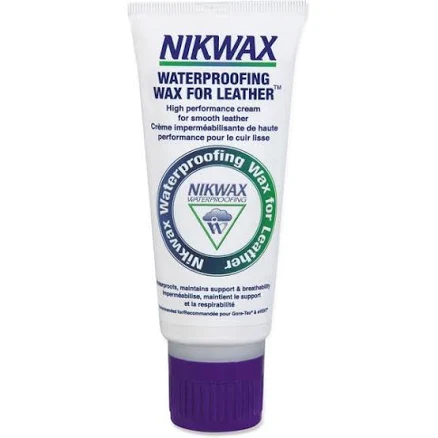
Nikwax
Waterproofing Wax for Leather
- wax-based waterproofing
- The brand calls it PFAS-free, which we have not verified
- Respiratory irritation or fume inhalation during application
2 hazards checked on this product. See all of them.
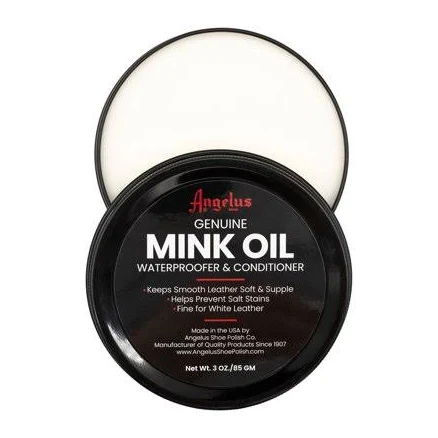
Angelus
Mink Oil Paste Leather Waterproofer and Contitioner 3 oz
- mink oil paste, natural oil-based conditioner
- We found no PFAS statement from the brand
- Microbial growth (natural oil rancidity)
2 hazards checked on this product. See all of them.
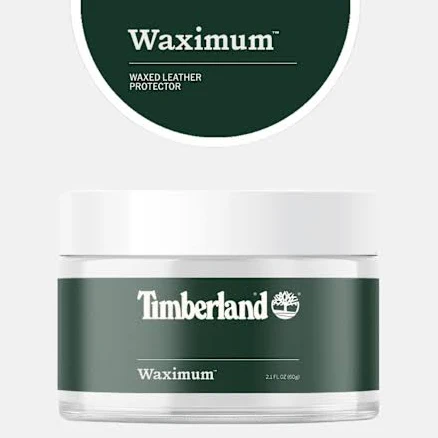
Timberland
Waximum Waxed Leather Protector
- Wax-based leather protector
- We found no PFAS statement from the brand
- Volatile organic compounds (VOCs) from solvents
3 hazards checked on this product. See all of them.
More fabric stain guard sprays grades
How we score, every product runs through the same public 0-100 rubric based on materials, coatings, brand disclosure, lab findings, and recalls. See the full methodology → Spotted a mistake? Report an error.