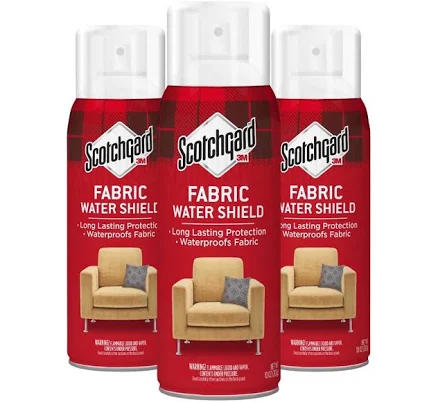
Scotchgard · Fabric Stain Guard Sprays
Scotchgard Fabric & Upholstery Protector 3-Pack
Scotchgard's fabric protector uses an undisclosed water-repellent coating with no PFAS statement.
This product applies a proprietary water and stain repellent coating to fabrics. The brand has not disclosed the coating's chemistry or made a public statement about PFAS. water-repellent coating treatments have historically used PFAS compounds.
Still want this one anyway? Check the price on Amazon. We’d swap it.
Material
proprietary water and stain repellent coating
Lab data
No public lab test
What Scotchgard Fabric & Upholstery Protector is made of, ingredients and materials
Scotchgard Fabric & Upholstery Protector is a proprietary water and stain repellent spray coating. The brand does not publicly disclose its full ingredient list, making independent assessment of chemical hazards difficult. Fabric protectants typically work by creating a hydrophobic barrier on fibers; the specific chemistry of Scotchgard's formulation remains proprietary. This opacity is significant because water-repellent coatings have historically relied on fluorinated compounds (PFAS) to achieve durability, though modern alternatives exist.
What’s concerning
No PFAS disclosure
No public statement from the brand about PFAS in this product.
Category baseline
The starting point for this type of product, before anything specific to this product is counted.
Waterproof / stain-resistant treatment
Water-repellent coating treatments have historically used PFAS.
Inhalation exposure from spray application
Aerosol fabric protectants deliver fine particles into air; users and bystanders may inhale propellant and coating chemicals during and shortly after application. Respiratory irritation or sensitization has been anecdotally reported with spray-on fabric treatments.
Volatile organic compounds (VOCs) and solvent off-gassing
Proprietary formulations typically contain organic solvents to carry the active repellent. Off-gassing into indoor air is likely during application and drying phases; quantity and toxicity depend on unrevealed ingredient list. Well-ventilated application and extended airing reduce but do not eliminate this exposure.
Skin and eye irritation upon direct contact
Fabric protectant sprays can cause localized irritation if mist contacts skin or eyes. Scotchgard labeling recommends avoiding contact; risk is primarily during application rather than post-curing.
PFAS
Scotchgard has not disclosed whether this formulation contains PFAS. Historical use of fluorochemicals in fabric protection, combined with 3M's known PFAS manufacturing history and current silence on this product, suggests PFAS may be present; absence of public PFAS-free certification is a red flag.
Source, ATSDR ↗What’s reassuring
Coating degradation and reapplication dependency
As the protective layer wears (12-18 months typical), efficacy declines and users reapply. Repeated applications over years of furniture ownership increase cumulative chemical exposure to household members and residents, particularly young children who spend extended time on treated upholstery.
The full breakdown
The brand's record and disclosure
3M (Scotchgard's parent company) has faced ongoing litigation and regulatory scrutiny over PFAS contamination in drinking water supplies linked to fluorochemical manufacturing. The company has not voluntarily published ingredient disclosure for this product or stated whether it contains PFAS. Scotchgard offers no third-party certifications (such as OEKO-TEX, Bluesign, or PFAS-free claims) that would reduce uncertainty. This silence on composition, combined with 3M's known historical reliance on fluorochemicals, creates justified caution.
How it compares in its category
Fabric protectants are a competitive category; many brands now advertise PFAS-free or plant-based formulations (e.g., some wool-based or silicone-based alternatives). Scotchgard remains the market leader but has not matched competitor transparency. Aerosol application poses additional inhalation exposure compared to liquid sprays or brush-applied products. Comparable products with stated PFAS-free or transparent ingredients exist and may pose fewer unknowns.
If you buy it
Apply in well-ventilated spaces; do not spray near infants, pets, or people with respiratory sensitivity, as inhalation of fine mist is a primary exposure route. Allow treated furniture to dry completely (24+ hours) before contact. Reapply every 12-18 months or after deep cleaning, as the coating degrades over time and use. Test on a hidden area first to confirm no discoloration. If Scotchgard eventually discloses PFAS content, reassess whether continued use aligns with your household's chemical tolerance.
What we don’t know
- Basis
- Model estimate, 45% confidence, not a lab result
- Lab test
- None on record for this exact product
- Brand statement
- Scotchgard has made a specific claim
Formulations change between production runs, so check the current label. How we grade.
Better-graded alternatives in Fabric Stain Guard Sprays
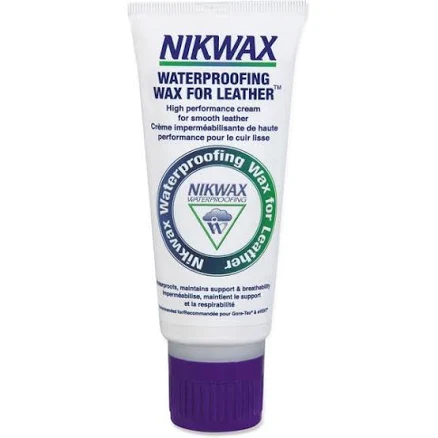
Nikwax
Waterproofing Wax for Leather
- wax-based waterproofing
- The brand calls it PFAS-free, which we have not verified
- Respiratory irritation or fume inhalation during application
2 hazards checked on this product. See all of them.
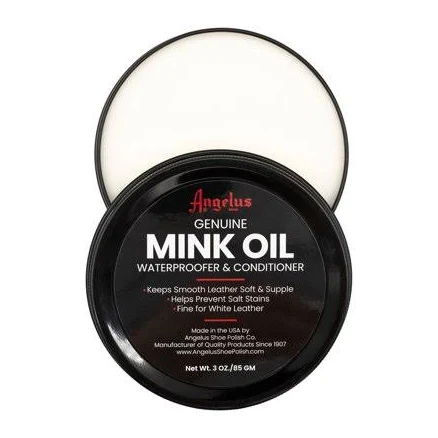
Angelus
Mink Oil Paste Leather Waterproofer and Contitioner 3 oz
- mink oil paste, natural oil-based conditioner
- We found no PFAS statement from the brand
- Microbial growth (natural oil rancidity)
2 hazards checked on this product. See all of them.
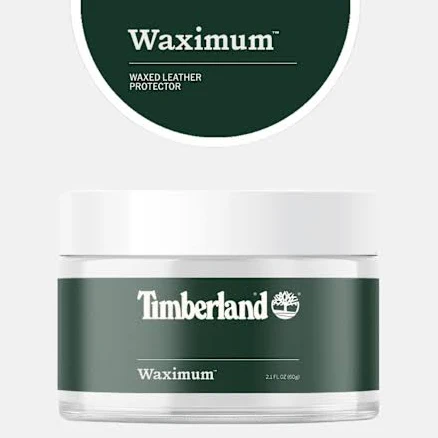
Timberland
Waximum Waxed Leather Protector
- Wax-based leather protector
- We found no PFAS statement from the brand
- Volatile organic compounds (VOCs) from solvents
3 hazards checked on this product. See all of them.
More fabric stain guard sprays grades
How we score, every product runs through the same public 0-100 rubric based on materials, coatings, brand disclosure, lab findings, and recalls. See the full methodology → Spotted a mistake? Report an error.