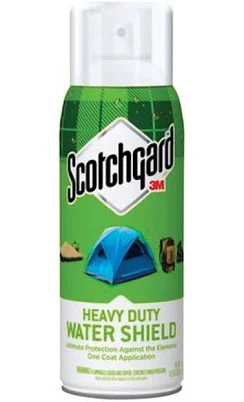
Scotchgard · Fabric Stain Guard Sprays
Scotchgard Outdoor Water Shield Fabric Protector Spray
High PFAS risk. Scotchgard has long history with PFOA.
Outdoor water shield uses undisclosed repellent chemistry. The brand has not publicly committed to PFAS-free formulas and stays silent on product composition.
Still want this one anyway? Check the price on Amazon. We’d swap it.
Material
Proprietary water and stain repellent coating
Lab data
No public lab test
What Scotchgard Outdoor Water Shield Fabric is made of, ingredients and materials
Scotchgard Outdoor Water Shield uses a proprietary fluorochemical repellent coating, almost certainly containing long-chain or legacy PFAS compounds given Scotchgard's documented history with PFOA-based formulations. The spray applies a thin hydrophobic layer to fabric fibers; the chemistry that makes water bead off is inherently fluorine-based in conventional formulations. Once applied and cured on fabric, the coating does not degrade easily, meaning PFAS persistence is a feature, not a bug, from a performance standpoint.
What’s concerning
Category baseline
The starting point for this type of product, before anything specific to this product is counted.
Vague safety claims only
Uses vague language ("eco-friendly", "clean") without a specific PFAS statement.
Waterproof / stain-resistant treatment
Water-repellent coating treatments have historically used PFAS.
Spray inhalation of fluorochemical particles
Aerosol application creates respiratory exposure risk during application. No direct toxicity data for this specific formulation is publicly available, but fluorochemical vapors and fine particles can irritate airways; risk is minimized by outdoor use and ventilation.
Skin or eye contact during application
Spray overspray or direct contact may irritate mucous membranes. The product label recommends avoiding contact; no serious acute toxicity is documented for typical consumer exposures, but eye contact warrants rinsing.
PFAS
Treated outdoor fabrics (cushions, outdoor upholstery, awnings) shed fluorochemical compounds during weathering, rain, and cleaning. PFAS migrates to soil and groundwater; cumulative environmental burden is significant across millions of treated items.
Source, ATSDR ↗Volatilization of unreacted monomer or curing byproducts
During application and early cure, the spray may off-gas unreacted fluorochemical monomers or solvent carriers. Odor is typically detectable; ventilation during and after application reduces exposure, but full chemical composition is proprietary and unknown.
What’s reassuring
Flame retardants
Scotchgard Outdoor does not list added flame retardants on public product information. Fluorochemicals themselves do impart some flame resistance, but no separate brominated or phosphate flame retardants are confirmed in disclosed formulation.
Source, EPA ↗The full breakdown
The brand's record and disclosure
3M (Scotchgard's owner) has faced major litigation over PFOA contamination in water supplies linked to legacy Scotchgard production and has paid substantial settlements. The brand has not publicly committed to phasing out PFAS in consumer fabric protectors, nor does the product label disclose fluorochemical type or PFAS content. 3M's silence on PFAS reformulation in this product line, despite decades of awareness, reflects a pattern of delayed action on forever chemicals.
How it compares in its category
Most conventional fabric protectors (Scotchgard, Guardsman, similar spray brands) rely on fluorochemical backbones and carry similar PFAS exposure concerns. Silicone-based or non-fluorine alternatives exist (some wax or natural oil formulations) but are less water-repellent and more limited in availability. This product is at the mainstream end of the risk spectrum; its performance advantage over emerging PFAS-free brands is modest and not worth the hazard difference for most uses.
If you buy it
Apply outdoors or in well-ventilated areas to avoid inhalation of spray particles; do not apply to items that contact skin directly (use on cushions, curtains, not clothing). Allow full cure time (typically 24 hours) before contact or rain exposure. Replace treatment every 12-18 months if heavily used. Dispose of empty cans per local aerosol guidelines; do not incinerate. Consider alternatives with lower PFAS concern (silicone sprays, natural water-repellent treatments) for new purchases.
What we don’t know
- Basis
- Model estimate, 35% confidence, not a lab result
- Lab test
- None on record for this exact product
- Brand statement
- Scotchgard has made a specific claim
Formulations change between production runs, so check the current label. How we grade.
Better-graded alternatives in Fabric Stain Guard Sprays
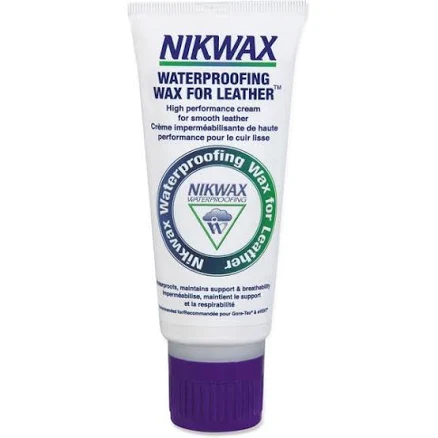
Nikwax
Waterproofing Wax for Leather
- wax-based waterproofing
- The brand calls it PFAS-free, which we have not verified
- Respiratory irritation or fume inhalation during application
2 hazards checked on this product. See all of them.
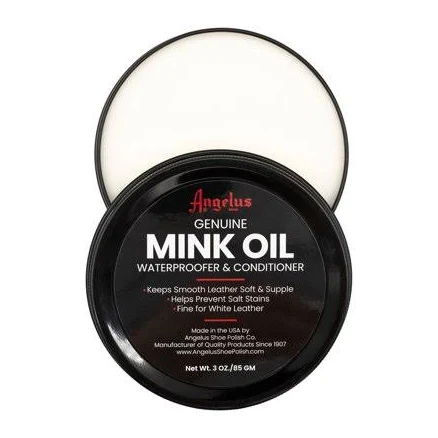
Angelus
Mink Oil Paste Leather Waterproofer and Contitioner 3 oz
- mink oil paste, natural oil-based conditioner
- We found no PFAS statement from the brand
- Microbial growth (natural oil rancidity)
2 hazards checked on this product. See all of them.
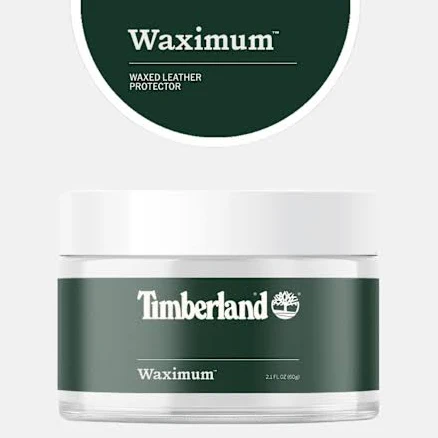
Timberland
Waximum Waxed Leather Protector
- Wax-based leather protector
- We found no PFAS statement from the brand
- Volatile organic compounds (VOCs) from solvents
3 hazards checked on this product. See all of them.
More fabric stain guard sprays grades
How we score, every product runs through the same public 0-100 rubric based on materials, coatings, brand disclosure, lab findings, and recalls. See the full methodology → Spotted a mistake? Report an error.