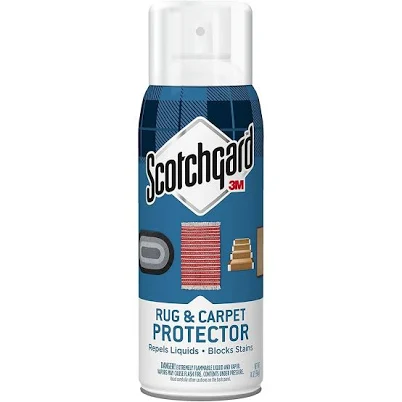
Scotchgard Rug & Carpet Protector
Skip until Scotchgard discloses PFAS status or certifies PFAS-free.
Scotchgard's carpet protector uses fluorochemical treatments for stain and water resistance but provides no PFAS disclosure or third-party verification. Composition remains proprietary and vague, raising concern given the product's functional category.
The better-graded swap
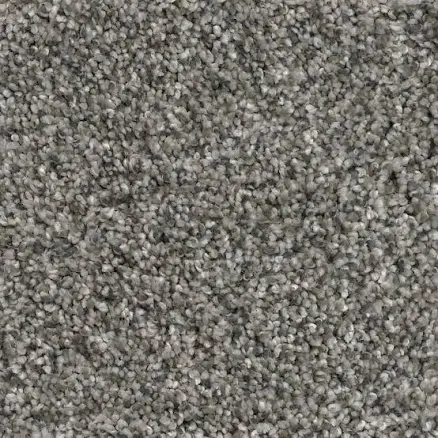
TrafficMaster
TrafficMaster Mesa Boulder Beige Residential 18 x 18 in. Peel and Stick Carpet Tile Square
75/100 safety
Same rubric that flunked this product. The swap earned Excellent.
Still want this one anyway? Check the price on Amazon. We’d swap it.
Material
Proprietary fluorochemical stain/water repellent treatment
Lab data
No public lab test
You may also be interested in
Top-graded picks in the categories readers replace first, every one scored on the same rubric.

- polypropylene filter housing, carbon/sediment cartridge
- We found no PFAS statement from the brand
- Bacterial growth in spent cartridges
3 hazards checked on this product, all on its full breakdown.

Aquasure
Premier Series 75 GPD Under Sink Reverse Osmosis Water Filtration System
- RO membrane, carbon filters, stainless steel housing
- We found no PFAS statement from the brand
- Bacterial and microbial growth in housing and filters
4 hazards checked on this product, all on its full breakdown.

Avocado
Vegan Mattress
- organic cotton, natural latex, coconut coir, recycled steel coils
- The brand calls it PFAS-free, which we have not verified
- Heavy metals
2 hazards checked on this product, all on its full breakdown.
What Scotchgard Rug & Carpet Protector is made of, ingredients and materials
Scotchgard Rug & Carpet Protector is a liquid fluorochemical treatment applied topically to carpet fibers to repel water and oil-based stains. The exact formulation is proprietary, but it falls into the broad category of PFAS "forever chemicals" (PFAS) designed to create a hydrophobic barrier on fabric. This chemistry is effective at stain repulsion but raises concern because fluorochemicals can migrate into household dust, indoor air, and eventually soil and water; the specific compound(s) used by 3M in this product remain undisclosed to consumers.
What’s concerning
Waterproof / stain-resistant treatment
Water-repellent coating treatments have historically used PFAS.
Vague safety claims only
Uses vague language ("eco-friendly", "clean") without a specific PFAS statement.
Category baseline
The starting point for this type of product, before anything specific to this product is counted.
Volatile organic compound (VOC) / inhalation during application
Fluorochemical carpet treatments commonly release VOCs during spray application and curing; Scotchgard product literature does not specify VOC content or emission rates. Consumers report odor and respiratory irritation during and immediately after application in poorly ventilated spaces.
Fluorochemical off-gassing and dust migration
Skin and respiratory sensitization from uncured product
Individuals with chemical sensitivity or respiratory conditions (asthma, etc.) may experience irritation during or shortly after application. Scotchgard does not provide allergenic or respiratory hazard warnings beyond standard precautions.
What’s reassuring
Coating degradation and reapplication frequency
No reports of toxic byproducts from degraded Scotchgard on carpet; however, frequent reapplication increases cumulative fluorochemical exposure in the home environment.
Interactions with other household chemicals
No established data on whether Scotchgard-treated carpets release novel compounds when exposed to common cleaners, bleach, or other household products; risk is theoretical but untested.
How is this PFAS grade calculated?
The brand's record and disclosure
3M (Scotchgard's parent company) has a long history with PFAS-related liability, including settlements over PFOA contamination in drinking water, but has not publicly committed to full disclosure of PFAS in consumer carpet treatments or provided a PFAS-free alternative in this product line. Scotchgard does not carry third-party certifications for safety (e.g., GREENGUARD, Cradle to Cradle) for this particular product. The brand's silence on PFAS composition, despite decades of industry awareness of fluorochemical persistence, reflects a transparency gap rather than confirmed safety.
How it compares in its category
Most traditional carpet protectors fall into either fluorochemical (Scotchgard, similar brands) or non-fluorochemical alternatives (plant-derived or silicone-based treatments, now gaining market share). Non-fluorochemical products do not accumulate in the environment or body as readily, though they typically offer shorter reapplication windows (1-2 years vs. 3-5 years). Consumer Reports and independent testing have shown many non-fluorochemical carpet protectors perform adequately for typical household stains, reducing the functional advantage of fluorochemical formulas.
If you buy it
Apply only in well-ventilated areas and allow full curing per product instructions before occupying the space; fume exposure during application is the primary acute risk. Avoid inhaling spray mist and keep children and pets out during treatment and drying. Reapplication may be needed every 3-5 years depending on foot traffic; each reapplication reintroduces fluorochemicals into the home. If choosing to use this product despite PFAS concerns, vacuuming regularly and minimizing dust contact during and after application reduces incidental exposure.
What is not known about PFAS in this product?
- Basis
- Model estimate, 45% confidence, not a lab result
- Lab test
- None on record for this exact product
- Brand statement
- Scotchgard has made a specific claim
Formulations change between production runs, so check the current label. How we grade.
What are the PFAS-free alternatives to Scotchgard Rug & Carpet Protector?
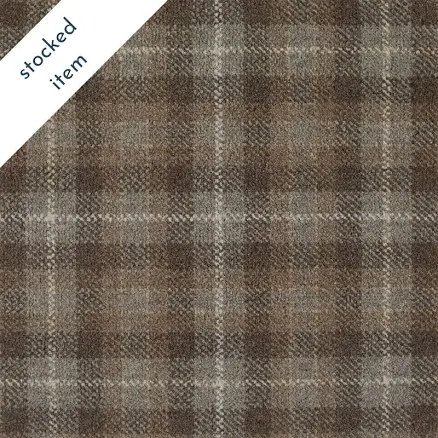
- wool plaid, Axminster weave
- We found no PFAS statement from the brand
- Formaldehyde / VOCs
4 hazards checked on this product, all on its full breakdown.
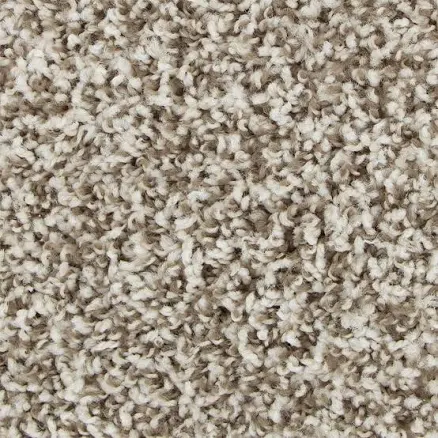
- polyester fiber, untreated
- We found no PFAS statement from the brand
- Formaldehyde / VOCs
4 hazards checked on this product, all on its full breakdown.
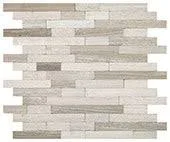
- Ceramic tile, porcelain, or stone composite
- We found no PFAS statement from the brand
- Volatile Organic Compounds (VOCs) from installation adhesives and grout
4 hazards checked on this product, all on its full breakdown.
More carpets & rugs grades
How we score, every product runs through the same public 0-100 rubric based on materials, coatings, brand disclosure, lab findings, and recalls. See the full methodology → Spotted a mistake? Report an error.