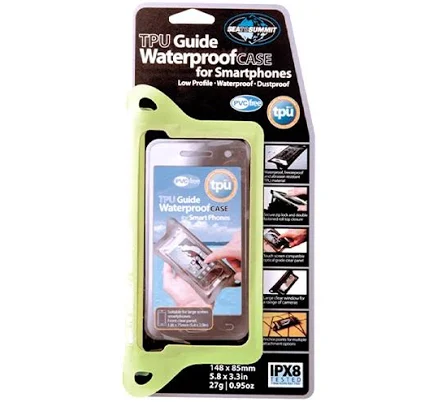
Sea to Summit · Waterproof Smartphone Cases
Sea To Summit Guide Waterproof Case
No coating described, and no PFAS statement from the brand.
The product information we reviewed describes waterproof case, with no water-repellent coating named. Water resistance on products like this usually comes from the material and its seals rather than a surface treatment. The brand has published no PFAS statement for it.
We flunk more products than we pass. This one earned its grade. How we grade
Material
Waterproof case
Brand disclosure
Brand is silent on PFAS
Lab data
No public lab test
You may also be interested in
Top-graded picks in the categories readers replace first, every one scored on the same rubric.

- polypropylene filter housing, carbon/sediment cartridge
- We found no PFAS statement from the brand
- Bacterial growth in spent cartridges
3 hazards checked on this product, all on its full breakdown.

Aquasure
Premier Series 75 GPD Under Sink Reverse Osmosis Water Filtration System
- RO membrane, carbon filters, stainless steel housing
- We found no PFAS statement from the brand
- Bacterial and microbial growth in housing and filters
4 hazards checked on this product, all on its full breakdown.

Avocado
Vegan Mattress
- organic cotton, natural latex, coconut coir, recycled steel coils
- The brand calls it PFAS-free, which we have not verified
- Heavy metals
2 hazards checked on this product, all on its full breakdown.
What Sea To Summit Guide Waterproof Case is made of, ingredients and materials
Sea to Summit Guide cases are typically made from thermoplastic urethane (TPU) or PVC-based elastomeric materials with sealed seams and closures designed for waterproofing rather than chemical coatings. These base polymers are inherently stable and low-hazard when not exposed to prolonged heat or direct flame. The waterproofing comes from the material's molecular structure and gasket seals, not applied PFAS-based water repellents, which aligns with the brand's absence of any PFAS coating claim.
What’s concerning
Category baseline
The starting point for this type of product, before anything specific to this product is counted.
No PFAS disclosure
No public statement from the brand about PFAS in this product.
Volatile organic compounds (VOCs) and off-gassing
TPU and PVC materials release trace solvents during manufacturing and early storage; exposure is primarily inhalation in enclosed spaces rather than dermal. Off-gassing is temporary (24-72 hours) and does not pose hazard during outdoor use. No specific VOC profile testing for this model is published.
Phthalates
PVC-based cases may contain phthalate plasticizers to maintain flexibility; however, these remain bound in the polymer matrix during use and do not migrate into skin or liquids under normal conditions. Risk is negligible unless the material degrades severely or is heated above 60°C.
Source, ATSDR ↗Bacterial or mold growth in sealed enclosure
If moisture becomes trapped inside the case during storage or with a damaged seal, mold and bacterial biofilms can develop on the internal surface and phone. This is a hygiene risk, not a material toxicity risk, and is prevented by ensuring the case is dry before sealing.
What’s reassuring
Base material not linked to PFAS
The main material recorded for this product is not one associated with PFAS.
Microplastic shedding
No published data indicates the Sea to Summit Guide case sheds microplastics under normal smartphone use. Degradation only occurs with prolonged UV exposure, heat, or mechanical abrasion, none of which are inherent to this product's design.
Heavy metals
No reports of cadmium, lead, or other heavy metals in the dyes or pigments used for this case line. Outdoor equipment manufacturers typically avoid restricted colorants, though no third-party testing is available to confirm.
Source, FDA ↗How is this PFAS grade calculated?
The brand's record and disclosure
Sea to Summit is an outdoor and hiking equipment company with a general reputation for engineering-focused design but does not publish detailed material safety disclosures or third-party certifications (e.g., Oeko-Tex, bluesign) for smartphone cases. No recalls, safety controversies, or positive PFAS commitments are on record for this product line. The brand's silence on PFAS is consistent with the product category, most waterproof cases do not invoke PFAS, suggesting none is intentionally added.
How it compares in its category
Waterproof smartphone cases as a category carry minimal chemical hazard compared to food-contact cookware or textiles. Hard-plastic alternatives (polycarbonate) or fabric pouches with sealed zippers present similar or slightly higher off-gassing risk during manufacturing. Sea to Summit's TPU or PVC base is chemically inert post-production and does not require the coating systems that introduce hazards in some premium brands. The sealed design means no leaching into food or skin contact under normal use.
If you buy it
Store the case in a cool, dry place away from direct sunlight and heat sources above 60°C (140°F) to prevent material softening or degradation of seals. Do not expose to solvents, strong detergents, or extended chlorine/saltwater immersion beyond manufacturer claims; rinse and air-dry after salt water contact. Inspect gaskets and seams annually for cracks or loss of seal; replace the case if waterproofing integrity fails. Odor during initial unboxing (off-gassing of volatiles) is normal and will dissipate within hours to days with ventilation.
What is not known about PFAS in this product?
- Basis
- Model estimate, 45% confidence, not a lab result
- Lab test
- None on record for this exact product
- Brand statement
- Sea to Summit has made none
Formulations change between production runs, so check the current label. How we grade.
More waterproof smartphone cases grades
How we score, every product runs through the same public 0-100 rubric based on materials, coatings, brand disclosure, lab findings, and recalls. See the full methodology → Spotted a mistake? Report an error.