Sea to Summit · Waterproof Smartphone Cases
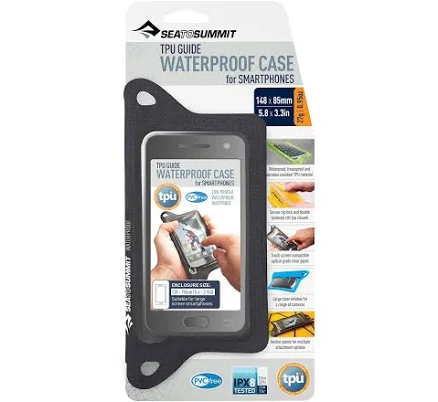
Sea to Summit TPU Guide Waterproof Case
No coating described, and no PFAS statement from the brand.
The product information we reviewed describes tPU (thermoplastic polyurethane), with no water-repellent coating named. Water resistance on products like this usually comes from the material and its seals rather than a surface treatment. The brand has published no PFAS statement for it.
We flunk more products than we pass. This one earned its grade. How we grade
Material
TPU (thermoplastic polyurethane)
Brand disclosure
Brand is silent on PFAS
Lab data
No public lab test
You may also be interested in
Top-graded picks in the categories readers replace first, every one scored on the same rubric.

- polypropylene filter housing, carbon/sediment cartridge
- We found no PFAS statement from the brand
- Bacterial growth in spent cartridges
3 hazards checked on this product, all on its full breakdown.

Aquasure
Premier Series 75 GPD Under Sink Reverse Osmosis Water Filtration System
- RO membrane, carbon filters, stainless steel housing
- We found no PFAS statement from the brand
- Bacterial and microbial growth in housing and filters
4 hazards checked on this product, all on its full breakdown.

Avocado
Vegan Mattress
- organic cotton, natural latex, coconut coir, recycled steel coils
- The brand calls it PFAS-free, which we have not verified
- Heavy metals
2 hazards checked on this product, all on its full breakdown.
What Sea to Summit TPU Guide Waterproof Case is made of, ingredients and materials
This case is TPU (thermoplastic polyurethane), a synthetic rubber polymer chosen for its flexibility, durability, and inherent water resistance without added coatings. TPU does not require Teflon-type coating (Teflon) or other Teflon-family coating treatments to achieve waterproofing, which eliminates a major PFAS risk vector present in some coated alternatives. The material itself is chemically stable at normal smartphone use temperatures and does not leach into food or water in the way cookware or food-storage plastics do.
What’s concerning
Category baseline
The starting point for this type of product, before anything specific to this product is counted.
No PFAS disclosure
No public statement from the brand about PFAS in this product.
TPU material degradation and plasticizer leaching
TPU can contain proprietary plasticizers and stabilizers. No published analysis of this specific Sea to Summit formulation exists. General TPU chemistry is considered low-toxicity, but prolonged UV exposure and high heat can cause surface stickiness and potential release of additives; this is a cosmetic and functional problem more than an acute hazard under normal use.
Seal contamination and bacterial growth
The waterproof seal depends on tight contact between case and phone. Mineral deposits, salt, or organic matter trapped in seals can promote localized bacterial or mold growth if the case is not rinsed and dried after water exposure. This is a maintenance issue, not a material toxicity issue.
What’s reassuring
Base material not linked to PFAS
The main material recorded for this product is not one associated with PFAS.
Microplastic shedding
TPU is less brittle than rigid plastics and does not shed microplastics during normal handling or flexing. Risk is negligible unless the case cracks severely, in which point it should be replaced rather than repaired.
BPA & bisphenols
TPU does not require BPA in its synthesis. No evidence exists of BPA or BPS intentionally added to TPU Guide cases. Sea to Summit has not disclosed this testing, but the material class itself is not a known BPA vector.
Source, FDA ↗Allergic sensitization to TPU or adhesives in seams
TPU itself is not a known allergen. Some users with isocyanate sensitivity (rare) may theoretically react to TPU residues, but no specific allergic reaction reports exist for Sea to Summit cases. The seals may use adhesives; no composition is disclosed.
How is this PFAS grade calculated?
The brand's record and disclosure
Sea to Summit is an outdoor gear manufacturer with a strong reputation for durability and material transparency in technical product specs, though the company has not published a dedicated PFAS policy or third-party testing results for this case. No recalls or safety controversies specific to TPU Guide cases are on public record. The brand's silence on PFAS is not unusual in the smartphone-case category, where finished goods rarely undergo independent chemical audit.
How it compares in its category
Most waterproof phone cases use either TPU (like this one), silicone, or coated plastic shells. TPU-based cases avoid the coating-degradation concerns of some polyurethane cases treated with additional water-repellent sprays, and sidestep the microplastic shedding risk of some rigid plastic alternatives when they crack. This positions the Sea to Summit case favorably on chemical stability compared to budget alternatives that may use PVC with phthalate plasticizers or unknown elastomer additives.
If you buy it
Keep the case away from prolonged direct sunlight and high heat (above 60°C or 140°F), as TPU can soften and lose shape over time under UV and thermal stress. Rinse with fresh water after salt-water exposure to prevent mineral buildup in seals. Replace the case if the seal degrades visibly, the material becomes sticky, or cracks develop, as compromised waterproofing defeats the primary function. Store in a cool, dry place and avoid prolonged contact with oils (sunscreen, insect repellent) which can degrade elastomers.
What is not known about PFAS in this product?
- Basis
- Model estimate, 45% confidence, not a lab result
- Lab test
- None on record for this exact product
- Brand statement
- Sea to Summit has made none
Formulations change between production runs, so check the current label. How we grade.
More waterproof smartphone cases grades
How we score, every product runs through the same public 0-100 rubric based on materials, coatings, brand disclosure, lab findings, and recalls. See the full methodology → Spotted a mistake? Report an error.