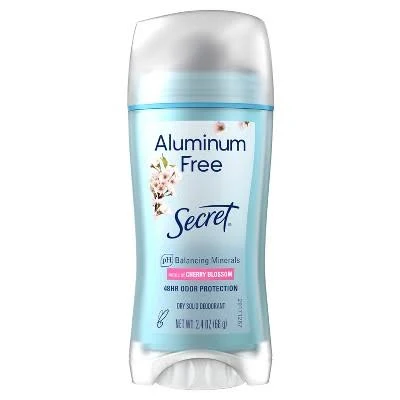
Secret Aluminum Free Deodorant
Lower PFAS risk as a traditional powder deodorant without waterproofing claims.
This aluminum-free stick shows no public signs of PFAS-containing water-resistant treatments. Secret hasn't disclosed PFAS information, and while powder-based deodorants pose less risk than waterproof items, no lab confirmation exists.
The better-graded swap
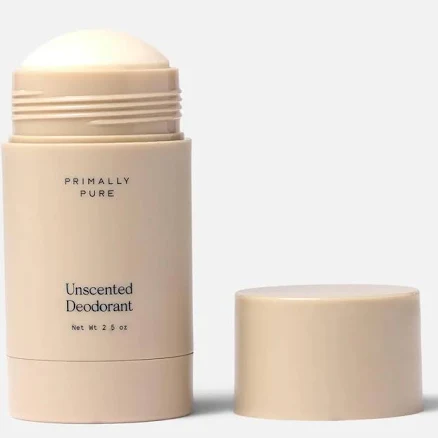
Primally Pure
UNSCENTED SENSITIVE DEODORANT Primally Pure Skincare
100/100 safety
Same rubric that flunked this product. The swap earned Excellent.
Still want this one anyway? Check the price on Amazon. We’d swap it.
Material
glycerin, talc, or starch base; propylene glycol; no disclosed coatings
Brand disclosure
Brand is silent on PFAS
Lab data
No public lab test
You may also be interested in
Top-graded picks in the categories readers replace first, every one scored on the same rubric.

- polypropylene filter housing, carbon/sediment cartridge
- We found no PFAS statement from the brand
- Bacterial growth in spent cartridges
3 hazards checked on this product, all on its full breakdown.

Aquasure
Premier Series 75 GPD Under Sink Reverse Osmosis Water Filtration System
- RO membrane, carbon filters, stainless steel housing
- We found no PFAS statement from the brand
- Bacterial and microbial growth in housing and filters
4 hazards checked on this product, all on its full breakdown.

Avocado
Vegan Mattress
- organic cotton, natural latex, coconut coir, recycled steel coils
- The brand calls it PFAS-free, which we have not verified
- Heavy metals
2 hazards checked on this product, all on its full breakdown.
What Secret Aluminum Free Deodorant is made of, ingredients and materials
Secret Aluminum Free uses a glycerin, talc, or starch powder base combined with propylene glycol as a humectant and texture agent. Propylene glycol is a common cosmetic solvent used in personal care products at typical concentrations. The absence of aluminum means no astringent salt that blocks sweat; instead it relies on powder absorption and fragrance masking. Powder-based deodorants inherently carry lower PFAS risk than water-resistant or antiperspirant spray formulas, which often require water-repellent chemistry.
What’s concerning
Category baseline
The starting point for this type of product, before anything specific to this product is counted.
No PFAS disclosure
No public statement from the brand about PFAS in this product.
Talc contamination with asbestos
If formulation includes talc, sourcing and processing quality determine risk. FDA has not banned talc in cosmetics but requires asbestos-free status; Secret does not publicly disclose talc supplier standards or third-party testing. Talc mined near asbestos deposits carries residual contamination risk if not rigorously purified.
Fragrance allergens and undisclosed components
Deodorants typically contain fragrance blends that are not fully itemized on labels due to trade secret exemptions. Individuals with fragrance sensitivity or multiple chemical sensitivities may react; Secret does not offer a fragrance-free version of this aluminum-free line.
Talc inhalation if powder form
Powder deodorants release fine particles during application; chronic inhalation of talc powder is associated with respiratory concerns in occupational settings. Consumer exposure is intermittent and localized, but individuals with asthma or chronic respiratory conditions should apply carefully and avoid inhaling dust.
What’s reassuring
Base material not linked to PFAS
The main material recorded for this product is not one associated with PFAS.
Propylene glycol skin irritation or sensitization
Propylene glycol is widely used and generally well-tolerated, but individuals with sensitive skin or propylene glycol allergy may experience contact dermatitis. No specific allergic reactions to Secret's formulation are documented in public health databases.
Heavy metals
No recalls or reports of lead, cadmium, or other heavy metals in Secret deodorants are on record. The aluminum-free formulation does not rely on metal-based active ingredients, lowering this risk class compared to aluminum antiperspirants.
Source, FDA ↗How is this PFAS grade calculated?
The brand's record and disclosure
Procter & Gamble (Secret's parent) does not publicly disclose PFAS presence in most deodorant lines and remains largely silent on PFAS policy, though the aluminum-free formulation suggests intentional avoidance of certain chemical classes. Secret has no major recalls or regulatory actions specific to this deodorant in recent years. The brand offers ingredient listings on packaging and digital platforms but does not highlight third-party testing or independent safety certifications for PFAS or heavy metals.
How it compares in its category
Aluminum-free deodorants are a growing segment; Secret's powder format is less aggressive than spray antiperspirants but may be less effective for heavy sweating than aluminum-based sticks. Compared to crystal, baking-soda-based, or organic alternatives, Secret's synthetic propylene glycol base is more standardized and has longer consumer safety history, though some consumers prefer plant-derived or minimal-ingredient options. Its mid-range price sits above premium natural brands but below clinical antiperspirants.
If you buy it
Apply a thin layer to clean, dry skin and allow a few seconds to set before dressing to avoid transfer. Powder deodorants require reapplication more frequently than antiperspirants, typically every 4-6 hours for odor control in moderate activity. Store in a cool, dry place to prevent clumping; do not expose to direct heat or sunlight. If skin irritation or rash develops, discontinue and patch-test on inner arm before regular use.
What is not known about PFAS in this product?
- Basis
- Model estimate, 62% confidence, not a lab result
- Lab test
- None on record for this exact product
- Brand statement
- Secret has made none
Formulations change between production runs, so check the current label. How we grade.
What are the PFAS-free alternatives to Secret Aluminum Free Deodorant?
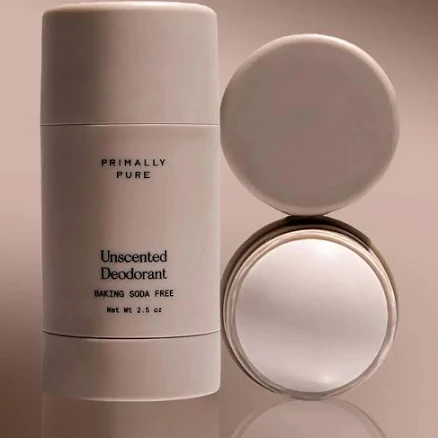
- mineral-based powder blend (arrowroot, magnesium hydroxide, mica)
- We found no PFAS statement from the brand
- Skin irritation from magnesium hydroxide alkalinity
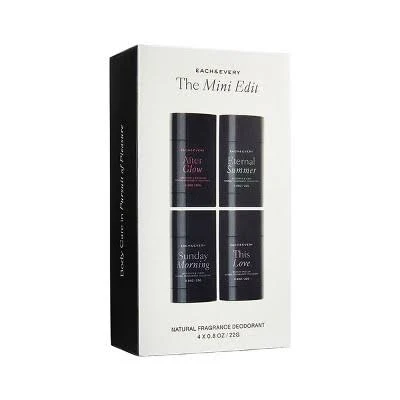
- cosmetic formulations, primary ingredients listed
- A third party reports verifying it as PFAS-free
- Fragrance allergens (natural essential oils)
2 hazards checked on this product, all on its full breakdown.
- natural mineral powders, plant-based actives, beeswax
- We found no PFAS statement from the brand
- Beeswax purity and contamination
2 hazards checked on this product, all on its full breakdown.
More deodorant grades
How we score, every product runs through the same public 0-100 rubric based on materials, coatings, brand disclosure, lab findings, and recalls. See the full methodology → Spotted a mistake? Report an error.