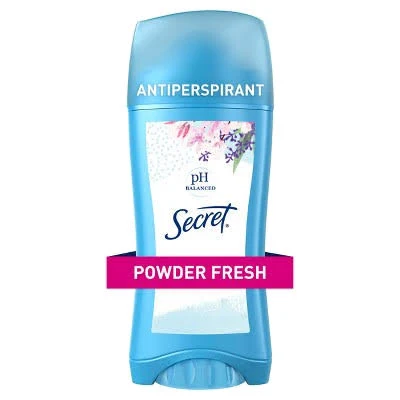
Secret Antiperspirant/Deodorant Invisible Solid
Lower concern but brand silence on formulation is a minor transparency gap.
Wax and starch solids lack waterproofing or stain-resist functions driving PFAS use. Secret provides no ingredient sourcing details, independent lab testing, or PFAS claims.
The better-graded swap
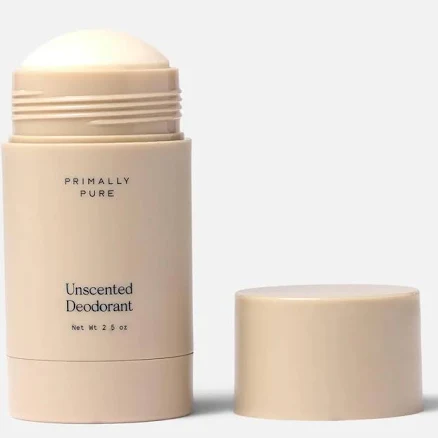
Primally Pure
UNSCENTED SENSITIVE DEODORANT Primally Pure Skincare
100/100 safety
Same rubric that flunked this product. The swap earned Excellent.
Still want this one anyway? Check the price on Amazon. We’d swap it.
Material
Wax and starch blend (typical antiperspirant solid)
Brand disclosure
Brand is silent on PFAS
Lab data
No public lab test
You may also be interested in
Top-graded picks in the categories readers replace first, every one scored on the same rubric.

- polypropylene filter housing, carbon/sediment cartridge
- We found no PFAS statement from the brand
- Bacterial growth in spent cartridges
3 hazards checked on this product, all on its full breakdown.

Aquasure
Premier Series 75 GPD Under Sink Reverse Osmosis Water Filtration System
- RO membrane, carbon filters, stainless steel housing
- We found no PFAS statement from the brand
- Bacterial and microbial growth in housing and filters
4 hazards checked on this product, all on its full breakdown.

Avocado
Vegan Mattress
- organic cotton, natural latex, coconut coir, recycled steel coils
- The brand calls it PFAS-free, which we have not verified
- Heavy metals
2 hazards checked on this product, all on its full breakdown.
What Secret Invisible Solid is made of, ingredients and materials
Secret Invisible Solid is a traditional wax and starch blend formulation designed to minimize visible residue on skin and clothing. The wax (typically palm or synthetic) acts as the binder and moisture barrier, while starch absorbs sweat and provides slip. This material class avoids gel and liquid solvents, reducing volatile organic compound off-gassing compared to spray or roll-on formats. The solid format itself is chemically stable at room temperature with low leaching risk.
What’s concerning
Category baseline
The starting point for this type of product, before anything specific to this product is counted.
No PFAS disclosure
No public statement from the brand about PFAS in this product.
Fragrance allergens and sensitizers
Secret Invisible Solid contains fragrance blend (not fully disclosed per ingredient labeling rules). Fragrance is a known contact allergen; risk is low for most users but higher in individuals with fragrance sensitivity or compromised skin barrier. Patch testing before full use is prudent for sensitive users.
Skin irritation from aluminum salt concentration
Secret Invisible Solid contains aluminum zirconium compounds as active antiperspirant agents. Irritation risk is inherent to all antiperspirants and varies by individual skin pH, hydration, and barrier integrity. Higher concentrations (typically 15-20% in solids) may trigger sensitivity in 2-5% of regular users; this is product-class risk, not brand-specific.
What’s reassuring
Base material not linked to PFAS
The main material recorded for this product is not one associated with PFAS.
Talc or talc-derived anti-caking agents
No talc contamination has been reported for Secret Invisible Solid formulations. If talc or mica-based opacifiers are present (likely given 'invisible' claim), they present inhalation risk only if product is aerosolized or deliberately inhaled; normal underarm application poses negligible hazard.
Heavy metals
No heavy metal contamination (lead, cadmium, iron oxide excess) has been documented in Secret antiperspirant products. Standard cosmetic-grade pigments and opacifiers in this category meet FDA cosmetic color additive limits.
Source, FDA ↗Formaldehyde / VOCs
No formaldehyde-releasing preservatives (DMDM hydantoin, imidazolidinyl urea) have been documented in Secret formulations. Standard preservatives (methylisothiazolinone, parabens) are used industry-wide and present minimal dermal hazard at allowed cosmetic concentrations.
Source, ATSDR ↗How is this PFAS grade calculated?
The brand's record and disclosure
Procter and Gamble (Secret's parent) has not published detailed fragrance or allergen disclosure beyond standard label compliance. The brand has faced no major safety recalls or regulatory actions specific to this product line. However, P&G maintains general silence on PFAS use across personal care lines, which reflects a broader industry pattern rather than a Secret-specific red flag. Certifications are limited; the product is not third-party tested (e.g., EWG verified or dermatologist certified beyond marketing claims).
How it compares in its category
Solid antiperspirants like Secret rank mid-range for transparency and safety relative to spray deodorants (higher VOC risk) and aluminum-free alternatives (lower efficacy, different ingredient profiles). Wax-starch solids are chemically simpler than gel or liquid formulations, reducing processing hazards. Secret's invisibility formula likely contains silicone or talc-derived ingredients to reduce white cast; this is standard practice and not a unique concern for this brand compared to competing solids.
If you buy it
Store below 80F to prevent wax separation or softening, which can affect consistency but poses no safety risk. Replace every 12-18 months or when depleted, as dried or oxidized product loses efficacy rather than becoming hazardous. Apply sparingly to clean, dry underarm skin to minimize irritation risk in sensitive individuals. If skin sensitivity develops, discontinue use and consider patch testing; fragrance and essential oils in the formula are the most common irritants in this product category.
What is not known about PFAS in this product?
- Basis
- Model estimate, 55% confidence, not a lab result
- Lab test
- None on record for this exact product
- Brand statement
- Secret has made none
Formulations change between production runs, so check the current label. How we grade.
What are the PFAS-free alternatives to Secret Antiperspirant/Deodorant Invisible Solid?
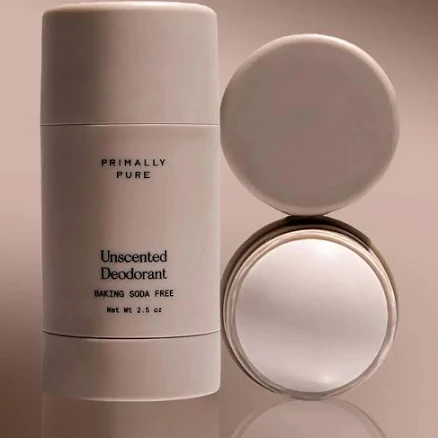
- mineral-based powder blend (arrowroot, magnesium hydroxide, mica)
- We found no PFAS statement from the brand
- Skin irritation from magnesium hydroxide alkalinity
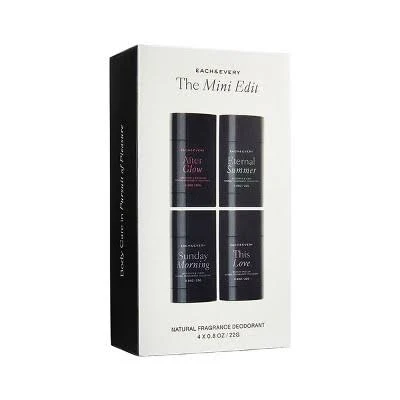
- cosmetic formulations, primary ingredients listed
- A third party reports verifying it as PFAS-free
- Fragrance allergens (natural essential oils)
2 hazards checked on this product, all on its full breakdown.
- natural mineral powders, plant-based actives, beeswax
- We found no PFAS statement from the brand
- Beeswax purity and contamination
2 hazards checked on this product, all on its full breakdown.
More deodorant grades
How we score, every product runs through the same public 0-100 rubric based on materials, coatings, brand disclosure, lab findings, and recalls. See the full methodology → Spotted a mistake? Report an error.