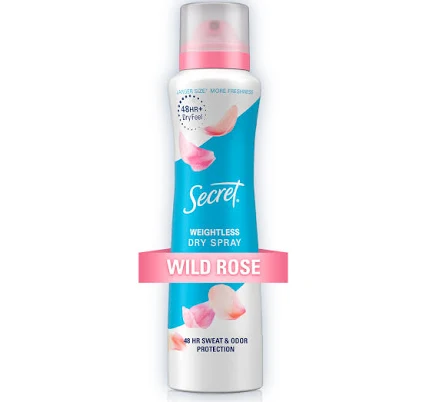
Secret Argan Oil Dry Antiperspirant Deodorant Spray
Lower PFAS concern; conventional spray with no known fluorochemical use.
Water-based spray with argan oil and glycerin lacks documented fluorochemical coatings or water-repellent treatments of high-PFAS concern. Brand makes no PFAS claims.
We flunk more products than we pass. This one earned its grade. How we grade
Material
Water-based spray propellant with argan oil and glycerin
Brand disclosure
Brand is silent on PFAS
Lab data
No public lab test
You may also be interested in
Top-graded picks in the categories readers replace first, every one scored on the same rubric.

- polypropylene filter housing, carbon/sediment cartridge
- We found no PFAS statement from the brand
- Bacterial growth in spent cartridges
3 hazards checked on this product, all on its full breakdown.

Aquasure
Premier Series 75 GPD Under Sink Reverse Osmosis Water Filtration System
- RO membrane, carbon filters, stainless steel housing
- We found no PFAS statement from the brand
- Bacterial and microbial growth in housing and filters
4 hazards checked on this product, all on its full breakdown.

Avocado
Vegan Mattress
- organic cotton, natural latex, coconut coir, recycled steel coils
- The brand calls it PFAS-free, which we have not verified
- Heavy metals
2 hazards checked on this product, all on its full breakdown.
What Secret Argan Oil Dry Deodorant Spray is made of, ingredients and materials
Secret Argan Oil Dry is a water-based spray antiperspirant, meaning it uses a pump or aerosol propellant (likely hydrocarbon or compressed gas) rather than traditional CFC/HCFC propellants. The formula includes argan oil and glycerin as conditioning agents, which are well-tolerated skin ingredients. Aluminum compounds (the active antiperspirant agent) are dispersed in this base; aluminum salts do not penetrate intact skin in significant amounts under normal use. The water-based formulation reduces reliance on volatile organic solvents that can off-gas irritants.
What’s concerning
Category baseline
The starting point for this type of product, before anything specific to this product is counted.
No PFAS disclosure
No public statement from the brand about PFAS in this product.
Aluminum exposure (active antiperspirant ingredient)
Aluminum salts in antiperspirants are absorbed through skin in small amounts. Long-term high-dose aluminum exposure is a recognized concern in medical literature, though causation of specific diseases remains debated. Occasional or moderate spray use presents negligible risk for most adults; people with kidney disease or those using multiple aluminum-containing products daily should consult a phys
Spray inhalation hazard
Aerosol deodorant inhalation can irritate airways, especially in people with asthma or chronic lung conditions. This product's water-based formulation reduces VOC concentration compared to solvent-heavy sprays, but propellant inhalation remains a concern with any spray application. Risk is minimized by brief, well-ventilated application.
Fragrance allergens and sensitization
Secret Argan Oil formulas typically contain undisclosed fragrance blends; some consumers report skin irritation or contact dermatitis from repeated underarm application. Argan oil itself is not a common allergen, but fragrance compounds and preservatives in the spray can trigger reactions in sensitive individuals. Patch testing is recommended if rash or itching develops.
Propellant VOCs and inert gas exposure
Water-based sprays still rely on propellants (hydrocarbon gases or compressed air/nitrogen) to atomize the liquid. Chronic inhalation of propellants is not a documented risk at consumer spray doses, but acute inhalation abuse is dangerous. Proper ventilation and avoiding intentional inhalation mitigates this hazard.
What’s reassuring
Base material not linked to PFAS
The main material recorded for this product is not one associated with PFAS.
Heavy metals
No recalls or reports of lead, cadmium, or talc contamination in Secret aerosol deodorants. Spray formulations typically use FD&C approved colorants rather than mineral pigments. No specific testing data is publicly available for this product, but the hazard class is not flagged in the product category.
Source, FDA ↗How is this PFAS grade calculated?
The brand's record and disclosure
Procter & Gamble (Secret's parent) does not publicly disclose detailed PFAS content in personal care products, though the brand has faced no major recalls or safety controversies tied to deodorant sprays in recent years. Secret products are not certified by third-party safety programs such as EWG Verified or made without known restricted substances. The brand complies with FDA and FTC regulations for antiperspirant marketing but maintains minimal transparency beyond regulatory minimums.
How it compares in its category
This water-based spray sits in the mid-tier of conventional antiperspirant deodorants. It avoids some chemical concerns of gel or stick formulas (less phthalate/BPA risk from packaging) but uses spray propellant, which historically raised PFAS concerns in fluorochemical-boosted aerosols. The argan oil and glycerin additions are marketing differentiators with no established safety advantage over unscented sprays. Compared to natural/aluminum-free alternatives, it offers stronger antiperspirant performance at the trade-off of aluminum exposure.
If you buy it
Apply in a well-ventilated area to minimize inhalation of propellant; do not spray near face or eyes. Store in a cool place away from direct heat and flame, as spray cans are pressurized. Replace if the nozzle becomes clogged or the spray pattern changes, as degradation of the actuator can affect consistency. Use as directed on the label; applying more than recommended will not improve antiperspirant efficacy and increases skin contact with aluminum salts.
What is not known about PFAS in this product?
- Basis
- Model estimate, 72% confidence, not a lab result
- Lab test
- None on record for this exact product
- Brand statement
- Secret has made none
Formulations change between production runs, so check the current label. How we grade.
What are the PFAS-free alternatives to Secret Argan Oil Dry Antiperspirant Deodorant Spray?
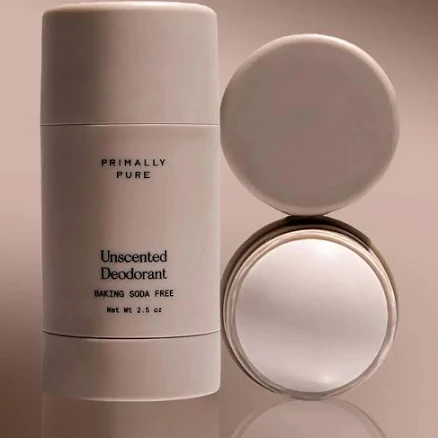
- mineral-based powder blend (arrowroot, magnesium hydroxide, mica)
- We found no PFAS statement from the brand
- Skin irritation from magnesium hydroxide alkalinity
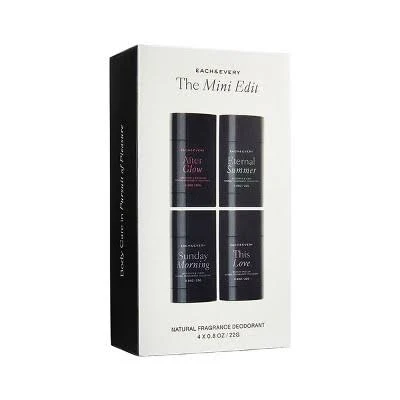
- cosmetic formulations, primary ingredients listed
- A third party reports verifying it as PFAS-free
- Fragrance allergens (natural essential oils)
2 hazards checked on this product, all on its full breakdown.
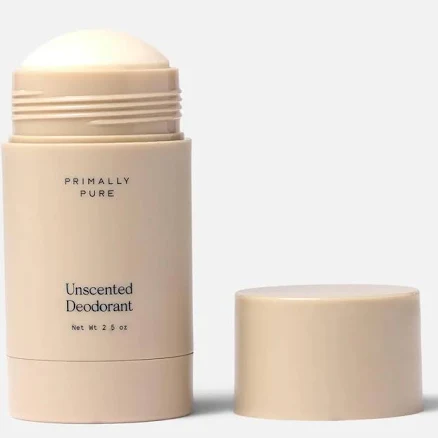
- natural mineral powders, plant-based actives, beeswax
- We found no PFAS statement from the brand
- Beeswax purity and contamination
2 hazards checked on this product, all on its full breakdown.
More deodorant grades
How we score, every product runs through the same public 0-100 rubric based on materials, coatings, brand disclosure, lab findings, and recalls. See the full methodology → Spotted a mistake? Report an error.